Anatomy of a Football Boot: Understanding the Shell, Chassis, and Sole
Football boots are one of the most technically advanced pieces of equipment in the sport. While much attention is given to the latest releases and technolo

Football boots are one of the most technically advanced pieces of equipment in the sport. While much attention is given to the latest releases and technologies, it helps to revisit the basic components that make up a football boot. This guide breaks down the three main parts: the shell, the chassis, and the sole.

The Three Core Parts of a Football Boot
- Shell
- Chassis
- Sole
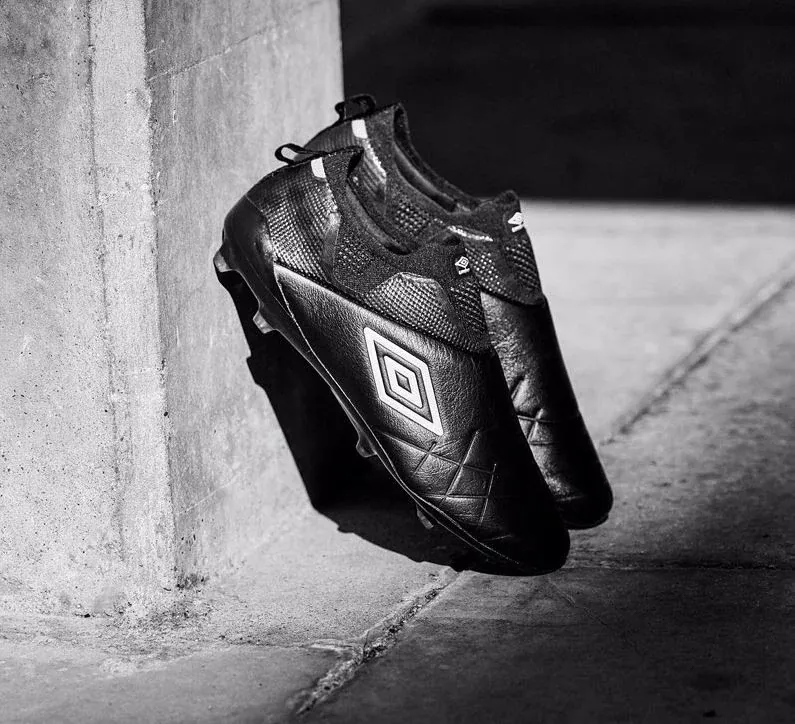
From the era of classic boots like the Puma King and adidas Copa Mundial to the revolutionary adidas Predator with its rubber striking elements, football boot design has evolved significantly. Today, each boot is a composite of carefully engineered sections that work together to match a player’s style and the playing surface.

1. Shell
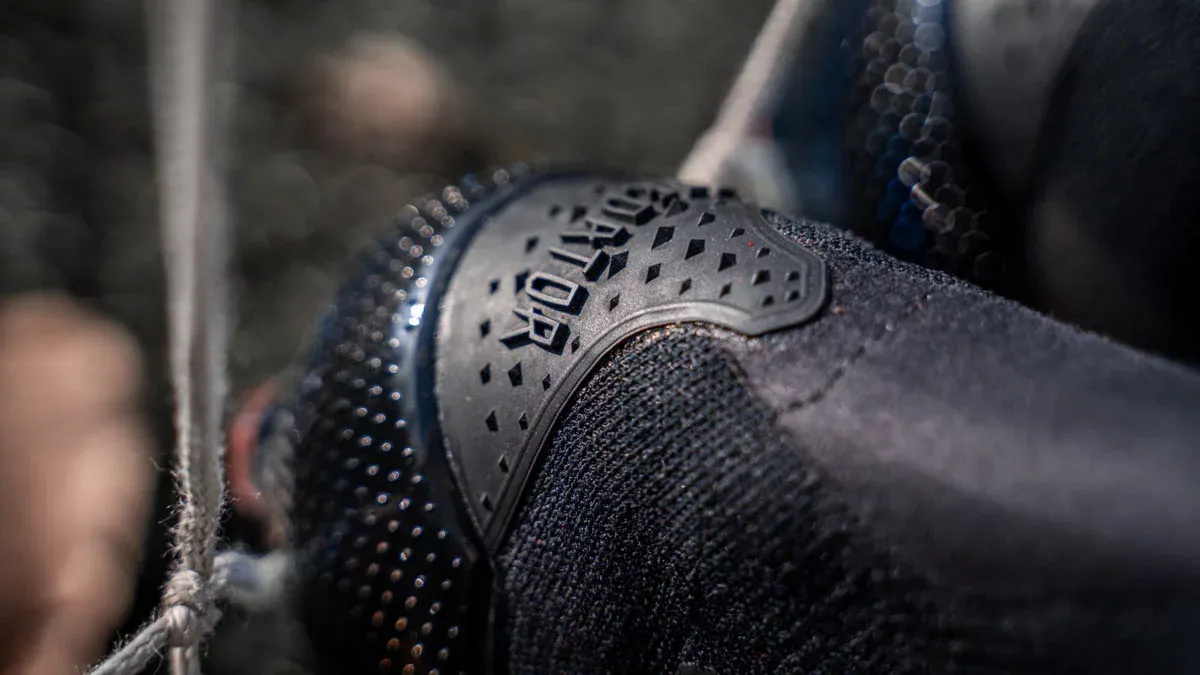
The shell is the upper part of the boot that first catches the eye. It is defined by its material and the technologies embedded within. Modern shells are made from knitted fabrics (such as Primeknit, Flyknit, or evoKnit), leather (as seen in boots like the Nike Tiempo Legend VIII Elite, Umbro Medusae 3 Elite, or adidas Copa 20+), or synthetic materials (like the Umbro Velocita V or Nike Phantom Vision II). Regardless of the brand or name, the underlying materials are similar; what differs is how they are shaped and what extras are added.
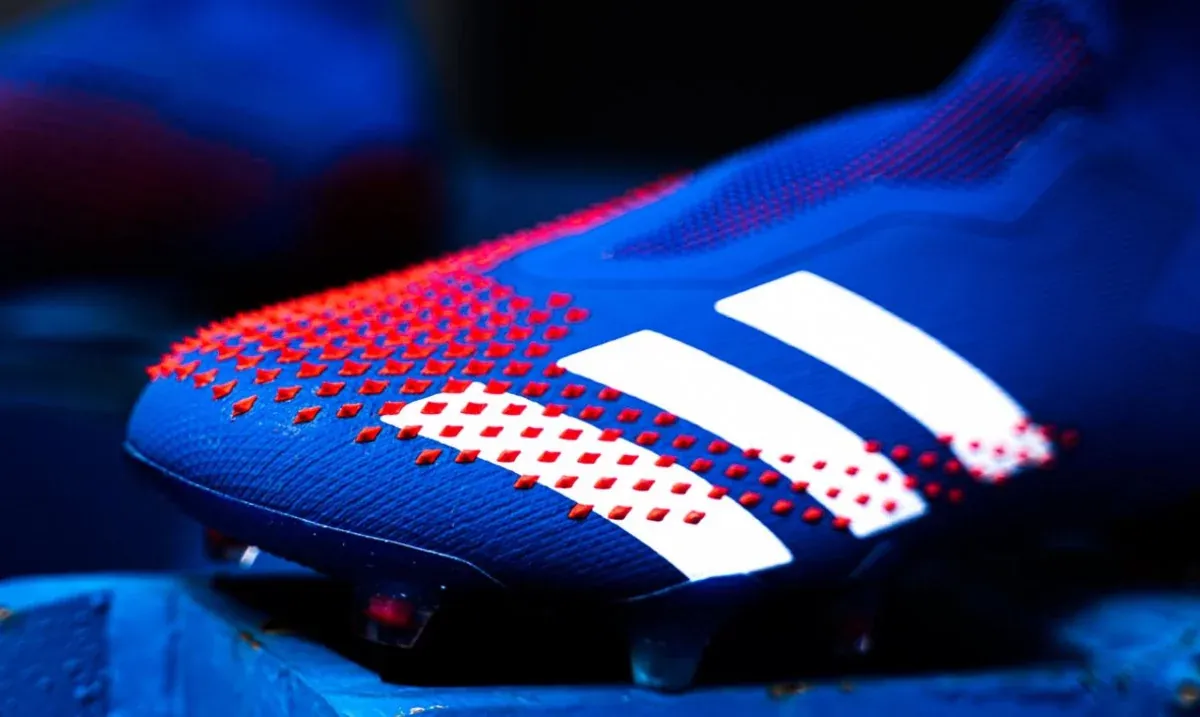
What makes one shell different from another? The distribution of features and the overall shape. For example, the adidas Predator 20 uses spikes along the upper, while the Puma Future 5.1 employs a different structure. Both are knitted boots with a collar and a clear striking philosophy, yet their uppers are distinct. Additional elements such as 3D structures can be integrated into the material, as seen in the Lotto Stadio 100, to improve ball feel and help impart spin or curvature.
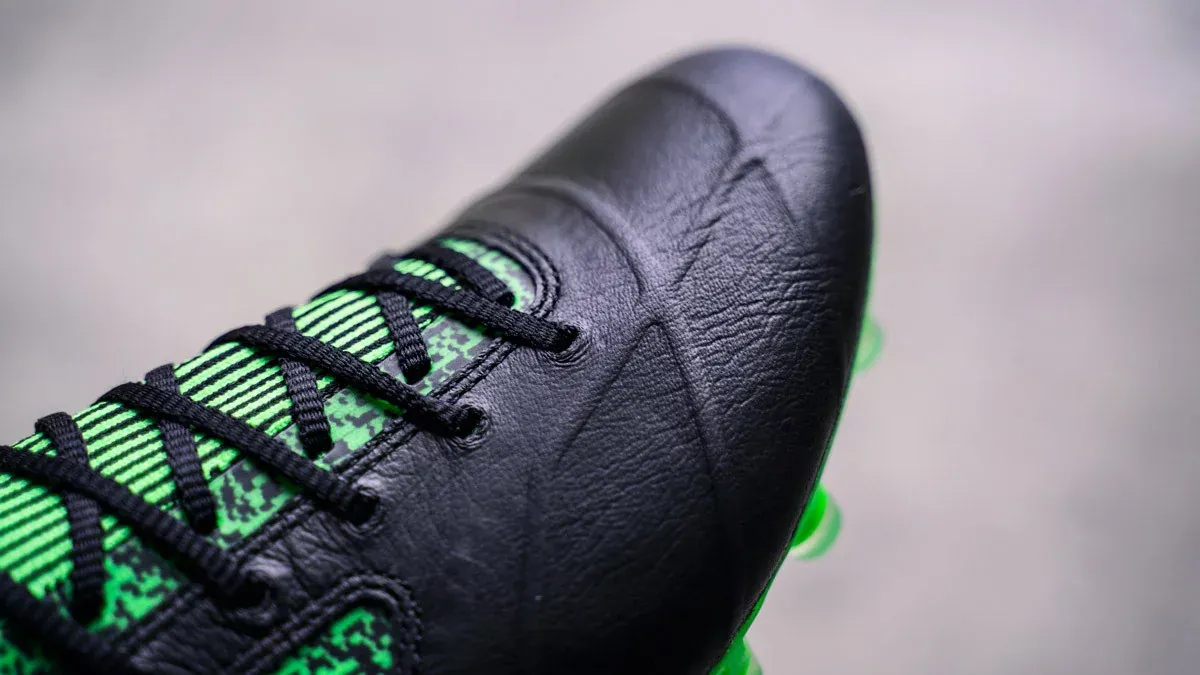
Which shell is better? The answer depends on the individual player’s preferences and fit.
2. Chassis
The chassis is the structural core of the boot, providing the framework that holds everything together. A well-designed chassis gives the boot its shape and functionality. One of the most notable chassis variations is the presence or absence of laces. Laceless boots, once a high‑end feature, are now available at more accessible prices.
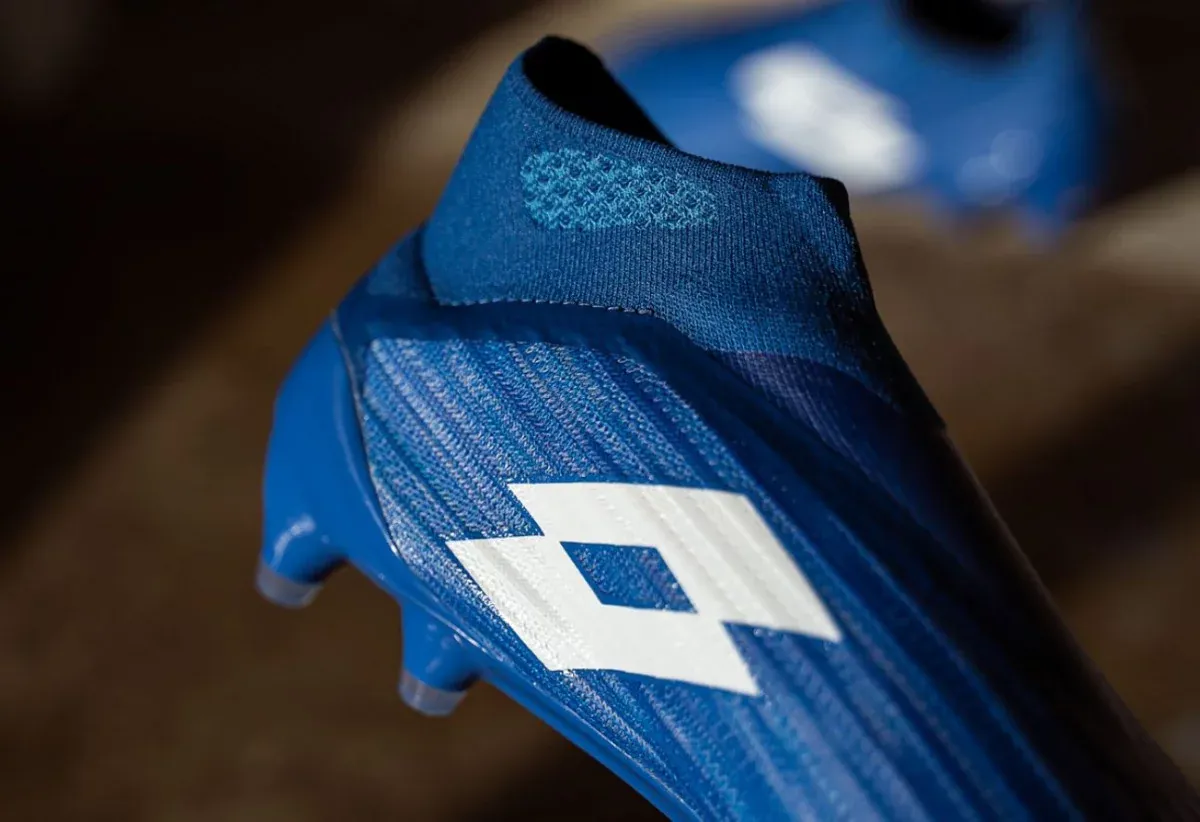
Another key chassis feature is the collar, which provides compression around the ankle. The Nike Mercurial Superfly, famously worn by Cristiano Ronaldo, popularised this design. While the collar may not be as functionally critical as laces, it aids in foot lockdown. Heel cushions—whether internal or external—are also vital. They ensure stability during turns, accelerations, and sudden stops, reducing the risk of injury or foot roll‑over inside the boot.
3. Sole
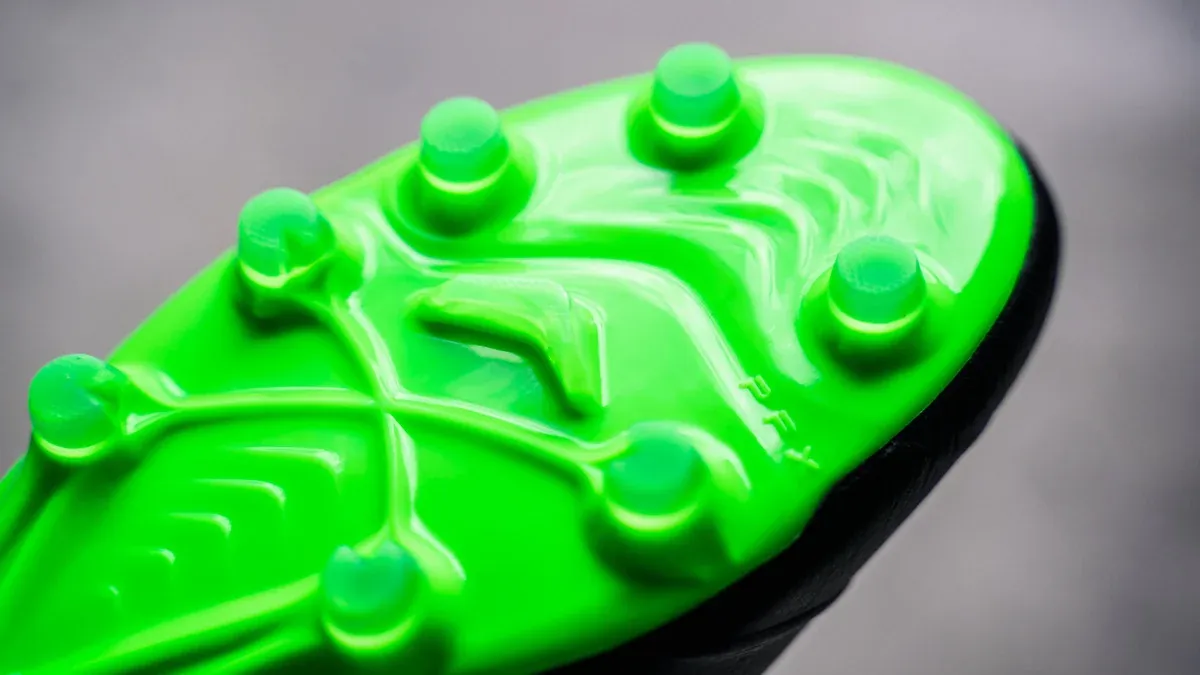
The sole is the part of the boot that connects the player to the ground. Without the correct stud configuration for the playing surface, even the best shell and chassis are ineffective. Artificial turf has become the standard for many players, but natural grass and other surfaces still require specific sole types.
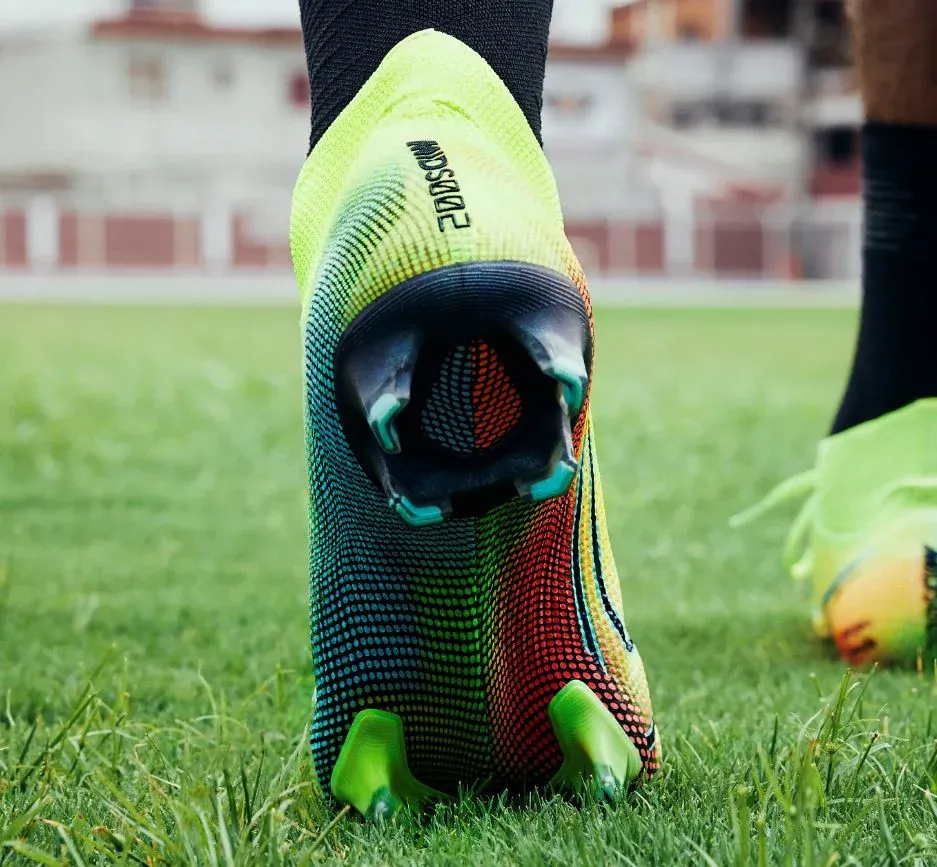
The main types of soles are:
- SG (Soft Ground): Uses aluminium studs (often six studs, or a mix of aluminium and rubber). Designed exclusively for wet natural grass, very wet, or muddy conditions.
- FG (Firm Ground): The most common sole, with 11 to 14 rubber studs of varying shapes and lengths. Intended for dry natural grass (or slightly wet grass as needed).
- AG (Artificial Grass): Rubber studs specifically for artificial grass pitches. Brands are continually adapting AG soles for different generations of artificial turf (first‑generation carpet, second‑generation short pile, and third‑generation surfaces that closely mimic natural grass).
- TF (Turf): Also called multi‑tack soles. Designed for abrasive surfaces such as carpet, cement, and dry earth.
How to Choose Football Boots
Selecting the right boot involves combining three factors: material, chassis design, and sole type based on the playing surface. Comfort and functionality should guide the decision. Top‑of‑the‑range models are not necessarily the best or most suitable for every player, as individual needs, limitations, and tastes vary. By understanding the parts of a football boot, players can make informed choices that suit their game.
Related search topics
- part of a football boot crossword clue
- football boot components
- parts of a football shoe
- what are the parts of a football
 WhatsApp
Looking for affordable football boots and jerseys made in China?
Message us on WhatsApp at +86 151 6027 2505, or find us on Instagram at @luxurycoca.
 Instagram