Optimal Cold-Weather Underlayers for Soccer: A Complete 2026 Guide
Playing soccer in low temperatures adds a serious challenge to an already demanding sport. The right undergarments manage body heat, keep sweat away, and h
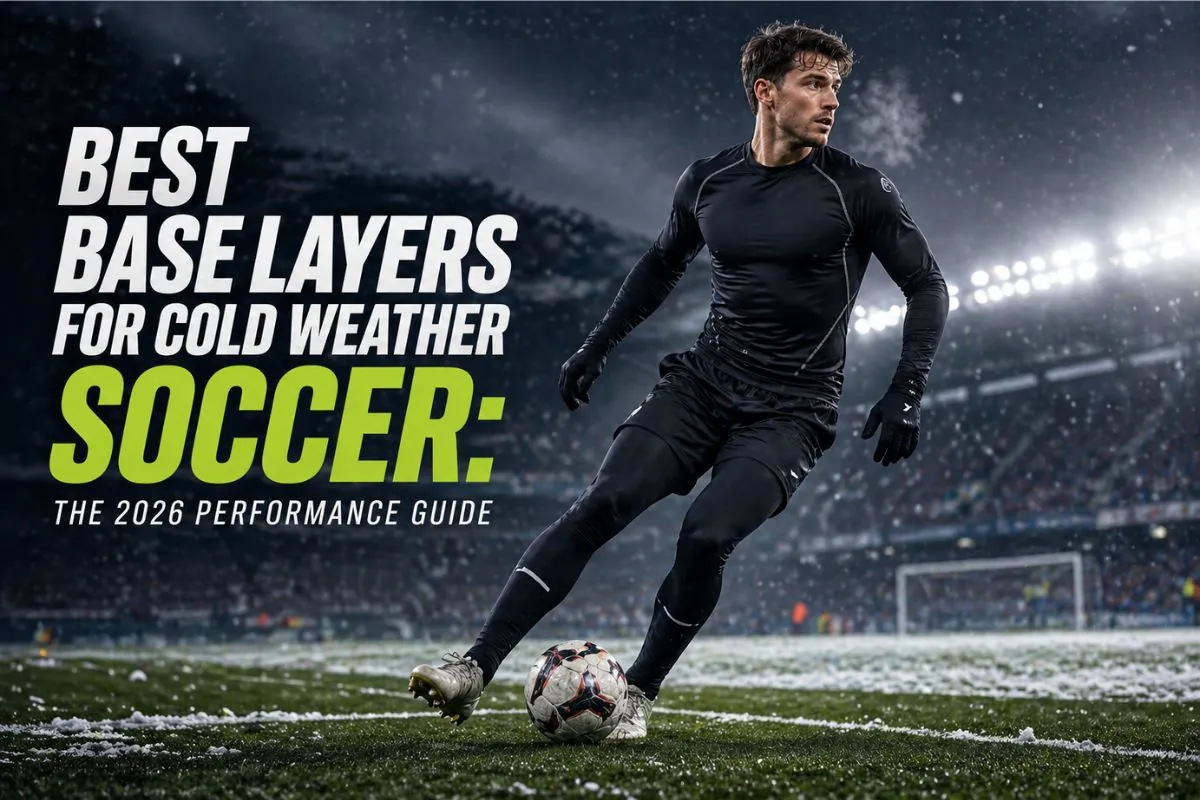
Playing soccer in low temperatures adds a serious challenge to an already demanding sport. The right undergarments manage body heat, keep sweat away, and help players stay agile when the wind picks up or the pitch turns hard. Modern apparel technology has moved far beyond bulky long johns — today’s base layers deliver warmth, stretch, and breathability without restricting movement. This guide breaks down what to look for, how different positions affect your choice, and how to stay on the right side of the rules.
Why a Dedicated Base Layer Matters in Cold Conditions
A close-fitting, moisture-managing piece worn directly against the skin is the foundation of a winter soccer kit. Its main purpose is thermoregulation: keeping your core temperature stable during the game’s stop-start rhythm. Explosive sprints raise your heat output quickly, while standing still during goal kicks or set pieces lets it drop. Without a smart underlayer, body temperature swings cause muscle fatigue and concentration loss.
A complete cold-weather system typically includes a snug thermal top, insulating tights, and small accessories. Look for fabrics with a brushed inner surface that traps warmth and flat-lock stitching that stops irritation during fast movements. These garments act as a second skin, letting you focus on the ball rather than the chill.
Sweat Management: The Hidden Key to Staying Warm
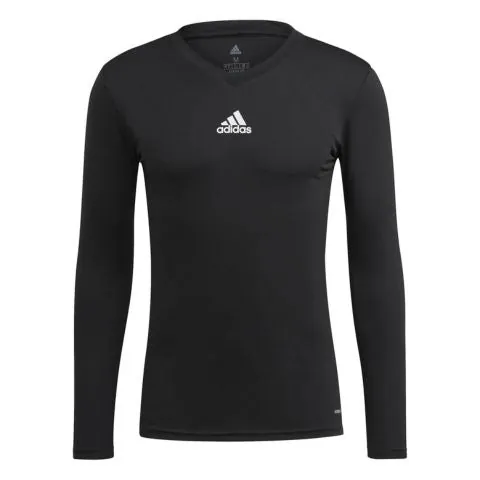 In sub-zero conditions, perspiration becomes your biggest opponent. Cotton or low-grade materials soak up moisture, turn heavy, and cling wetly to the body. That wet fabric then acts like a heat sink, pulling warmth away from the skin, tightening muscles, and raising the risk of pulls.
A high‑performance moisture‑wicking underlayer uses synthetic fibres such as polyester and elastane. These materials draw sweat away via capillary action, keeping you dry during the second half’s heavy running and warm during halftime or recovery spells. Dry material stays light and insulating, crucial for maintaining top speed.
Key Features of a Soccer‑Specific Thermal Top
The thermal compression top you select forms the base of your winter outfit. Compression fit stops cold air from getting trapped between fabric and skin. It also supports the chest and arm muscles, reducing vibration that leads to soreness after a physical match.
- Full arm coverage: Long sleeves shield the arms from windburn and friction on frozen turf.
- Mock neck collar: A slightly raised neckline protects the carotid arteries, preserving warm blood flow to the head and extremities.
- Thumb loops: These keep sleeves locked inside gloves and prevent the fabric from riding up during throw‑ins or contact.
The Role of Insulating Tights for the Legs
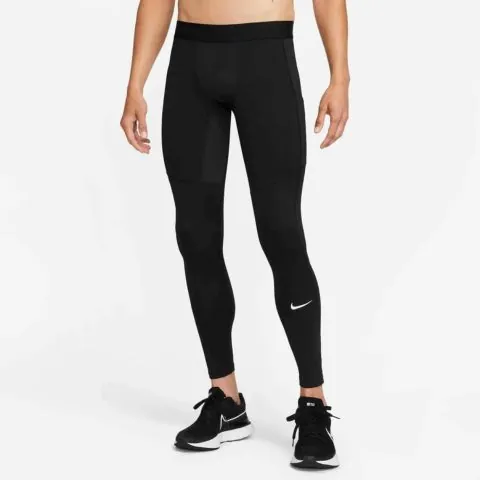
The hamstrings and quadriceps are the most vulnerable to cold‑weather injuries. Tights worn under shorts deliver targeted warmth to these large muscle groups. By keeping leg temperature steady, you reduce the time needed to warm up and maintain muscle elasticity and explosive power.
When choosing tights, check for a secure, well‑designed waistband. Nothing distracts more than having to adjust your layer during a defensive transition. Quality tights should offer 360‑degree stretch for a full range of motion during slides or overhead kicks.
Position‑Specific Recommendations
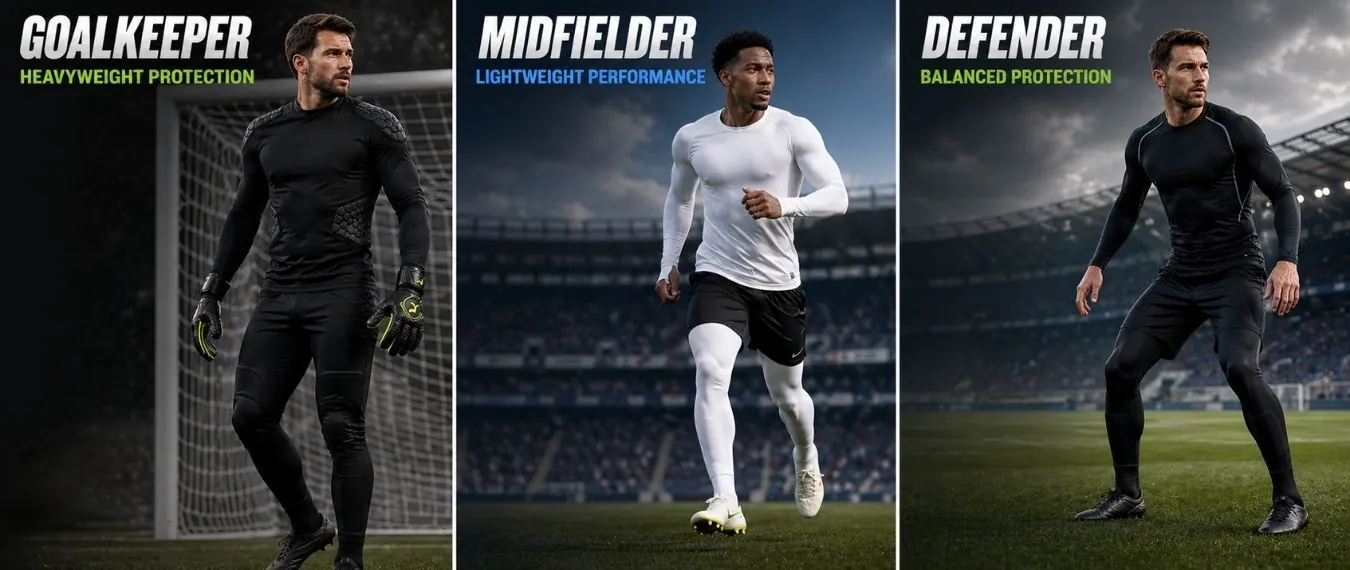
The ideal underlayer varies depending on where you spend most of the game:
- Goalkeeper: Long periods of standing mean faster heat loss. Look for heavyweight or extreme‑thermal layers, sometimes with added padding for protection on hard ground.
- Midfielder: Covers the most ground. Prioritise lightweight moisture‑wicking layers with maximum breathability to avoid overheating during constant box‑to‑box movement.
- Defender: Needs a balanced approach. A mid‑weight undershirt provides protection during tactical holding and warmth for quick defensive sprints.
IFAB Law 4: Colour Compliance for Base Layers
Before buying a bright neon layer, check whether it meets IFAB requirements. Most competitive leagues — including NCAA, high school, and club — enforce strict colour rules to help referees distinguish teams.
- Sleeves: The sleeve colour of any base layer top must match the jersey sleeve colour.
- Tights: Undershorts or tights must match the main colour of the shorts (or the lowest part of the shorts).
- Uniformity: If multiple teammates wear underlayers, they should all use the same colour to keep a professional appearance.
Frequently Asked Questions
What is the best soccer base layer for freezing temperatures?
Choose a thermal compression top with a brushed fleece interior. This traps a thin layer of warm air against the skin without adding bulk. Pair it with synthetic moisture‑wicking fabric so sweat does not cool your core during breaks.
Can I wear a regular T‑shirt as a base layer for soccer?
It is possible but not advised. Cotton absorbs moisture and stays wet, lowering body temperature and increasing the risk of cramps. A specialised synthetic undershirt wicks sweat away, keeping you dry, warm, and comfortable.
Compression or loose fit — which is better for soccer?
Compression is the better choice. The snug fit keeps fabric in constant skin contact for effective moisture transfer. It also prevents cold air from circulating between garment and body, and offers a sleek profile that slides easily under a match jersey.
Related search topics
- Best Base Layers for Cold Weather Soccer The 2026 Performance Guide football guide
- Best Base Layers for Cold Weather Soccer The 2026 Performance Guide latest updates
 WhatsApp
Looking for affordable football boots and jerseys made in China?
Message us on WhatsApp at +86 151 6027 2505, or find us on Instagram at @luxurycoca.
 Instagram