Dynamic Soccer Stretches for Matches and Practice
Proper stretching before soccer matches and practice is essential for reducing injury risk, improving flexibility, and preparing the body for physical exer
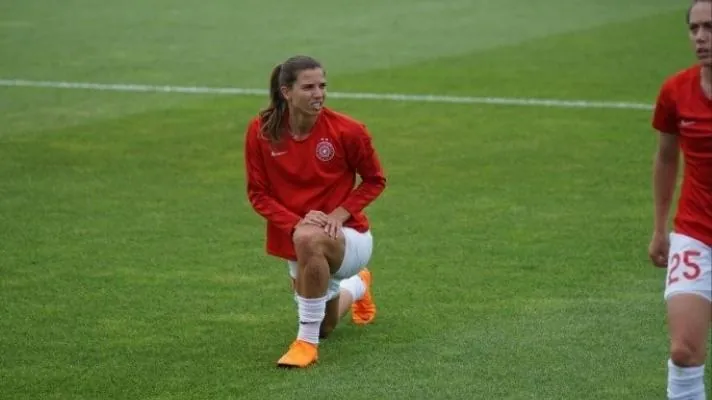
Proper stretching before soccer matches and practice is essential for reducing injury risk, improving flexibility, and preparing the body for physical exertion. This guide explains why warm-ups matter, the most common soccer injuries to avoid, and a series of dynamic stretches to include in your pre-game routine.
Importance of Stretching
Regularly performing soccer stretches builds muscle mass and natural physical dynamism. Consistent stretching decreases the chance of serious injury and increases flexibility, allowing players to recover more quickly.
The human body needs to feel agile and limber before any physical activity, especially during athletic games like soccer. Even a few simple warm-up stretches before stepping onto the field can reduce the likelihood of injuries, cramps, or other physical setbacks. Warming up prepares the muscles for work—not just the legs, but also the core and other muscle groups used during a match.
During a game, muscles can tense up. Without proper attention, this tension can lead to cramps or more serious injuries. Players who skip stretching risk ligament ruptures or even career-threatening fractures. Stretching effectively gives muscles a pre-game workout, getting them ready for the demands of a full match.
Basic football stretches help prevent strains and pulls. The lunge stretch, commonly seen at the gym, is one of the most functional and helpful pre-match stretches. It involves placing one leg in front and dropping the body by bending the knee of that leg while keeping the toes straight. This stretch targets the hip flexors, calves, and gluteus maximus.
Calf and hamstring stretches are also useful. For a solid hamstring stretch, try the standing quadriceps stretch: spread the legs and stretch the thighs while pivoting the torso toward one foot.
Common Injuries to Avoid
Knowing which injuries are most common on the soccer field helps players focus their prevention efforts.
Concussions, groin strains, hamstring pain, and leg injuries occur but are less frequent. Hip injuries, however, are quite common—particularly anterior cruciate ligament (ACL) strains. Stretching the hip flexors and hip joints, combined with core exercises that strengthen the midsection, can help combat these injuries. The standing hip flexor stretch or the lying hip and lower back stretch are good options.
Lower leg injuries can also be severe, including shin splints, sprained ankles, and Achilles tendon issues. Specific conditions such as posterior cruciate ligament (PCL) injuries, torn menisci, and tendon injuries are also possible. Improving overall muscle strength in a way that minimizes physical risk is key to prevention.
The most common soccer injury is a hamstring strain, accounting for well over half of all soccer injuries. These strains often occur when players run at high speeds and extend the hip and knee beyond a healthy range during a big kick. Hamstring injuries are so prevalent that about 33% of players who suffer one will experience another. Reducing risk factors and avoiding returning to the game too soon after an injury are critical. Regular stretching keeps the hamstrings and quadriceps strong, making them more resilient against in-game injury.
Dynamic Stretching and Warm-Ups
The following dynamic stretches help prepare the body for a soccer match or practice.
Butt-Kicks
A simple cardiovascular exercise that gets the heart rate pumping. Recommended for faster players or those who like to run.
Frankensteins (Frankenstein Walk)
A dynamic stretch that warms up the hamstrings and aids in pain relief.
Knee Stretches
- High-Knees: Grab your shin and pull your knee toward your chest to stimulate and warm up the glutes.
- Knee-Hugs: Lie down with bent knees and lift them to your chest at roughly a 90-degree angle, placing both hands around the knees. This stretch is handy before practice.
- Closed Knees: Lift one leg up and outward away from the other leg, then bring it back in. Repeat with the other leg.
- Open Knees: Similar to the closed knee drill, but performed with the knees open.
Lateral Hip Swing
A clutch drill that requires no equipment. Hold onto a pole while standing, work the abs, and swing your legs out in front and then back behind you. Switch sides and repeat as needed.
Perform these stretches consistently before every match and practice to stay safe and play at your best.
Related search topics
- Dynamic Stretches For Soccer Matches Practice football guide
- Dynamic Stretches For Soccer Matches Practice latest updates
 WhatsApp
Looking for affordable football boots and jerseys made in China?
Message us on WhatsApp at +86 151 6027 2505, or find us on Instagram at @luxurycoca.
 Instagram