Firm Ground vs Soft Ground Soccer Cleats: Key Differences and How to Choose
Selecting the correct soccer cleats for the playing surface can significantly affect performance and safety. Firm ground (FG) and soft ground (SG) cleats a
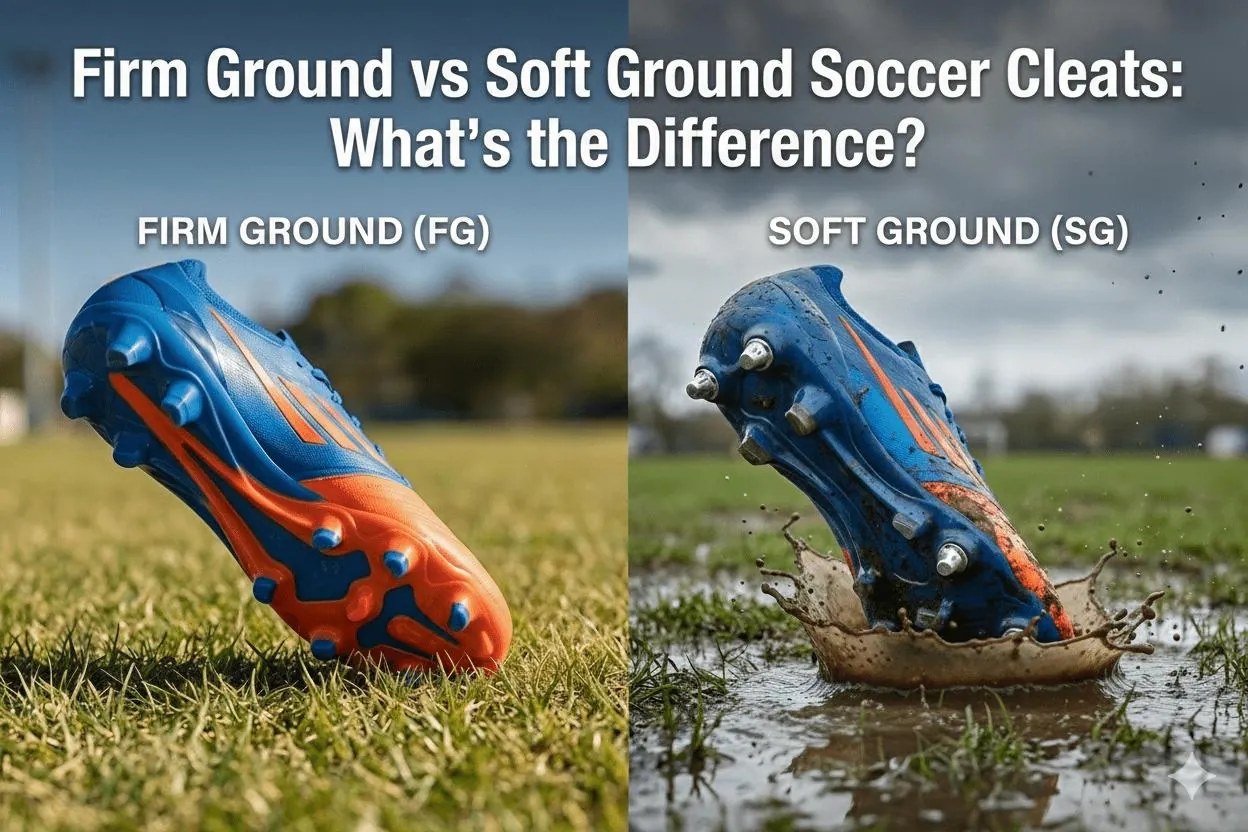
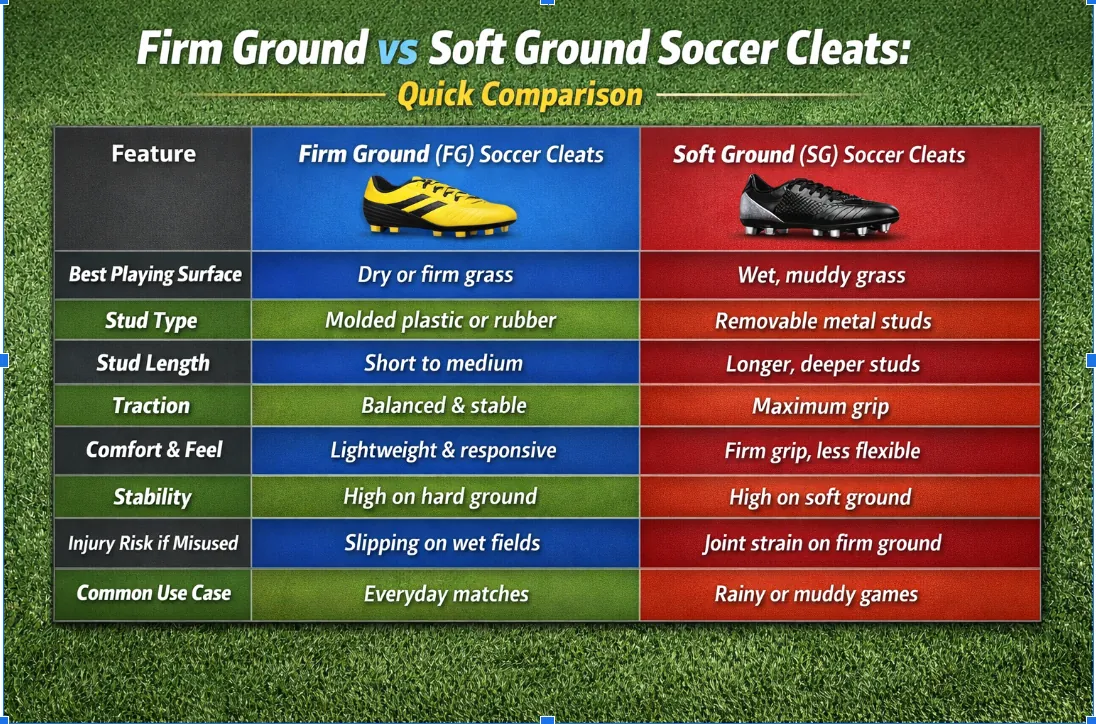
Selecting the correct soccer cleats for the playing surface can significantly affect performance and safety. Firm ground (FG) and soft ground (SG) cleats are engineered for distinct pitch conditions, and understanding their differences helps players make informed decisions. This guide explains the design, ideal use, and trade-offs of each type.
What Are Firm Ground (FG) Soccer Cleats?
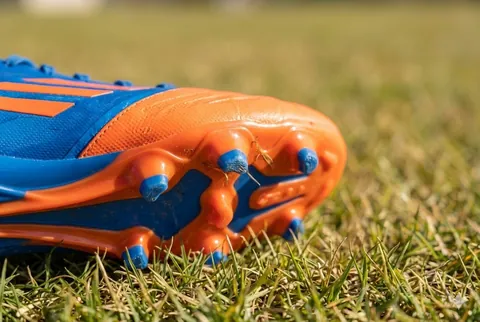
FG cleats are the most common choice for natural grass fields that are dry to slightly damp. They feature fixed, molded plastic or rubber studs that are non-removable. These cleats are optimized for compact, even, and well-maintained pitches—typical of summer leagues, early fall fixtures, or stadium fields with good drainage.
On firm ground, FG cleats provide a stable, balanced grip that supports sharp cuts, quick changes of direction, and stable footing during one-on-one defending. Because most matches worldwide are played on firm natural grass, FG cleats are used across all levels, from youth leagues to professional competitions. Their versatility and comfort make them a reliable option for players who prefer not to switch boots frequently.
Key characteristics of FG cleats:
- Fixed, molded plastic or rubber studs (non-removable)
- Optimized for dry, firm, or slightly moist natural grass
- Stable, balanced grip for acceleration and pivoting
- Suitable for outdoor matches and everyday play
What Are Soft Ground (SG) Soccer Cleats?
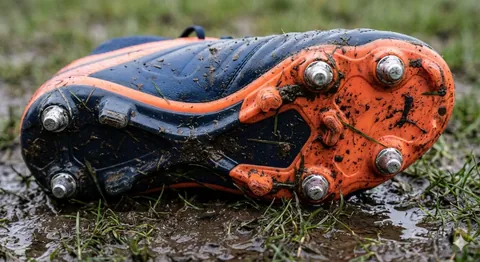
SG cleats are built for challenging weather conditions—rain-soaked pitches, muddy fields, and saturated grass where FG cleats tend to clog with mud and lose effectiveness. Most modern SG designs use a hybrid system that combines fixed molded studs with durable, replaceable metal studs. Players can adjust the stud length depending on how muddy the pitch is.
The metal studs dig aggressively into soft ground, providing maximum penetration and high-traction stability. This grip is especially valuable for center backs holding a defensive line, midfielders battling in traffic, and strikers trying to stay upright in the box on slick surfaces. While SG cleats are not suitable for everyday use, they deliver unmatched performance when field conditions are wet and loose.
Key characteristics of SG cleats:
- Long, removable metal studs that can be adjusted for depth
- Designed for saturated, muddy grass or high-moisture pitches
- Maximum soil penetration for high-traction stability
- Firm, deep-seated grip that prevents sliding in slick conditions
Can You Use the Same Cleats on Both Surfaces?

Using one pair of cleats for both firm and soft ground is possible but rarely ideal. FG cleats on a muddy pitch often cause slipping at critical moments, while SG cleats on dry fields feel awkward, slow, and uncomfortable. In both scenarios, performance drops, confidence suffers, and players focus more on footing than the game. Additionally, the unstable platform increases the risk of rolled ankles or joint strain.
In summary:
- Benefits of cross-use: Rotating between cleats based on conditions extends the life of both pairs.
- Risks of cross-use: Increased slipping risk on wet ground and joint strain on firm ground.
- Performance impact: Proper traction enables sharper cuts, faster sprints, and better ball control.
How to Choose the Right Soccer Cleats for Your Field
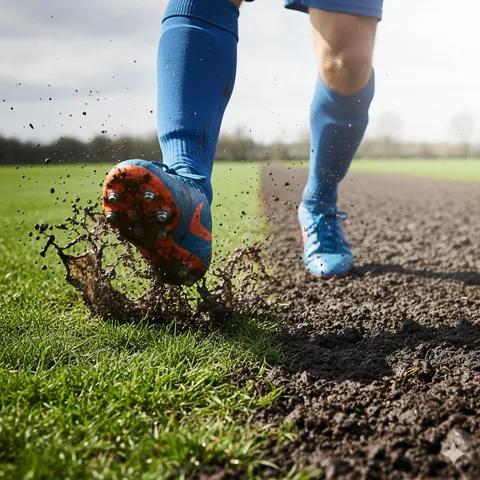
Choosing the right cleat begins with evaluating local playing conditions, climate, and field maintenance levels. In regions with frequent rain and muddy home pitches, SG boots are essential. For standard, dry suburban fields, FG cleats offer the best comfort and safety.
Use this checklist to decide between FG and SG:
- Analyze your primary playing field: Is the grass consistently dry and firm, or often wet and loose?
- Assess your level of play: Competitive players often carry both sets in their bag to swap during warm-ups if conditions change.
- Check local regulations: Verify if your league permits metal studs, as some youth organizations restrict stud design.
- Prioritize safety: Ensure stud length is appropriate for the playing surface.
Firm Ground vs Soft Ground Soccer Cleats FAQ
1. Can you use firm ground cleats on soft ground?
You can wear FG cleats on soft ground, but it is not recommended for competitive play. FG cleats have shorter, molded studs that clog with mud, leading to reduced traction and more slipping. They may suffice for recreational use, but in professional matches, the lack of grip hampers sharp movements.
2. Is it dangerous to wear soft ground cleats on firm ground?
Yes. Using SG cleats on firm ground is a safety hazard. The metal studs are designed to sink into soft ground but cannot penetrate a hard surface. This creates an unstable feeling that places excessive pressure on ankles and knees, raising the risk of ligament tears or severe ankle sprains.
3. Which is better for artificial grass, firm ground or soft ground cleats?
Some FG cleats are labeled as FG/AG (multi-ground), but the safest and most comfortable choice for synthetic surfaces is a shoe specifically designated as AG (artificial grass) or a turf shoe. SG cleats should never be used on artificial grass, as they can damage the turf and cause injury.
Related search topics
- Firm Ground vs Soft Ground Soccer Cleats What s Different football guide
- Firm Ground vs Soft Ground Soccer Cleats What s Different latest updates
 WhatsApp
Looking for affordable football boots and jerseys made in China?
Message us on WhatsApp at +86 151 6027 2505, or find us on Instagram at @luxurycoca.
 Instagram