Football Boot Sizing, Pricing, and Quality Guide
Footwear choices in soccer often come down to price and quality. A good pair of boots is essential for gripping the surface when changing direction and pro
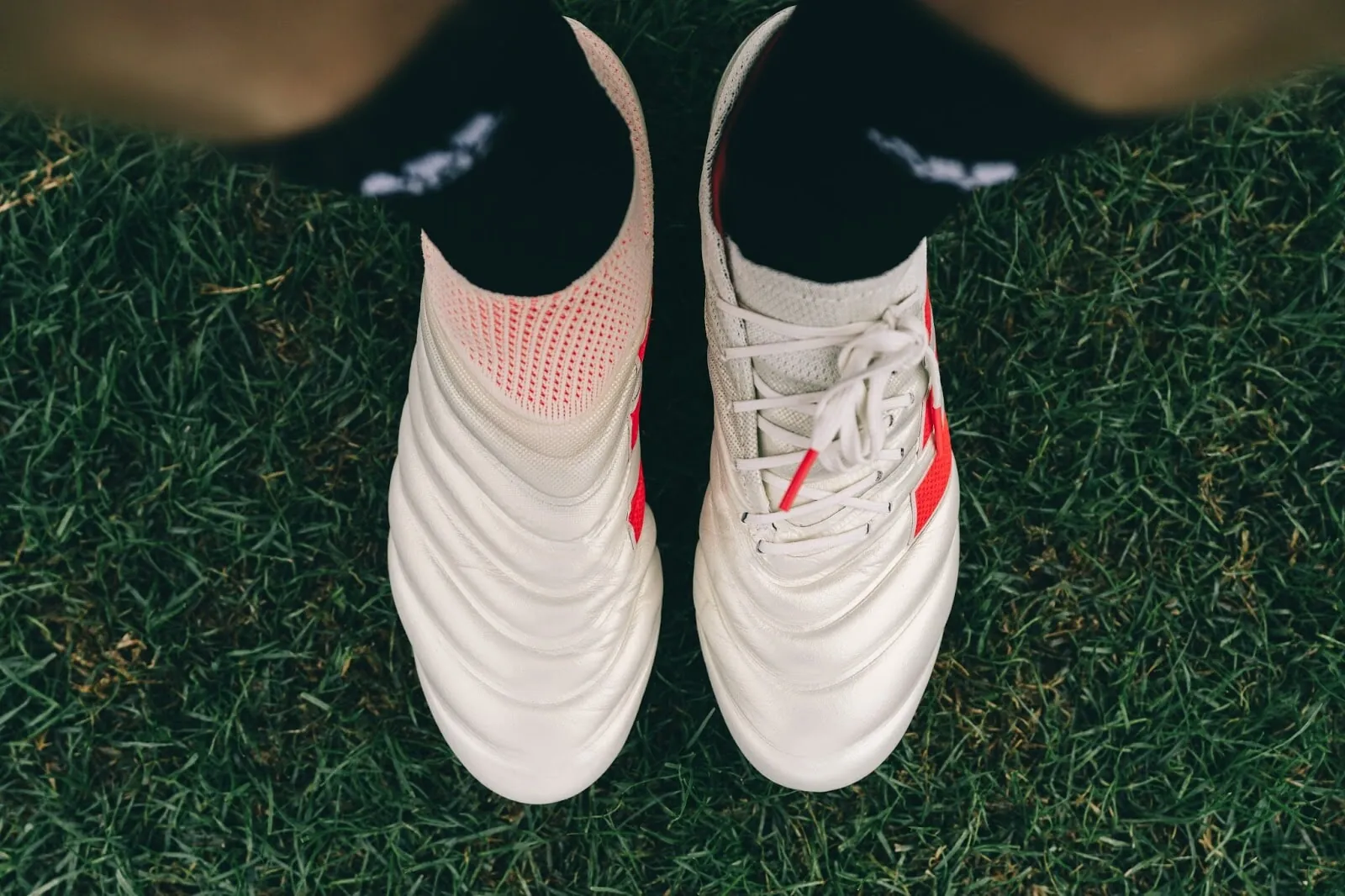
Footwear choices in soccer often come down to price and quality. A good pair of boots is essential for gripping the surface when changing direction and protecting the foot from the elements and contact. This guide explains the variety of boot models and categories available, along with their pricing and quality differences. Sizing and pricing information is based on the North American market.
Sizing and Pricing
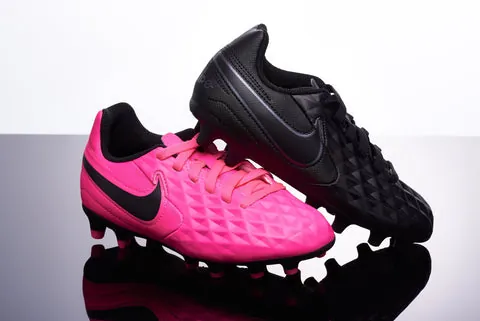
Soccer footwear is divided by age and sizing, surface type, and then by brand and silo. Each brand sets its own suggested retail prices, with discounts decided by the retailer. The major pricing split is between youth and adult sizes. In North America, youth sizes typically start at 7K and go up in half sizes to 13K, then jump to 1Y and continue to 6Y. Adult sizes begin at 6.5 and increase in half sizes up to about 15. Some adult models are available in smaller sizes (4 to 6) but only for specific lines. There is no longer a separate women’s category; females wear youth or adult sizing, though their sizing follows a different chart.
The main difference between youth and adult models is material quantity and quality. Youth boots are built on a smaller mold and often use less premium materials. Technology found in adult sizes is frequently not carried over. As a result, youth models are generally lower in price, regardless of tier or surface type.
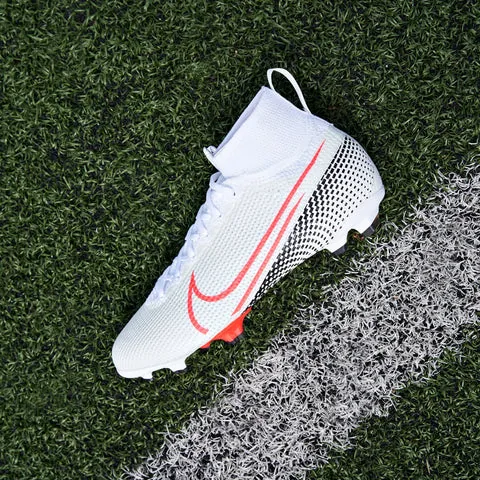
Most brands offer top‑tier youth models. Nike sometimes provides Elite models for youth, but the Pro model is more common in North America. Puma offers its .1 models for youth, while Adidas provides .1 models and also laceless + models at higher price points. Laceless Adidas models are among the most expensive youth options. The lowest‑priced youth models vary only slightly between brands.
For adult models, all tiers are available. Adidas again leads with premium laceless + models, which are the highest‑priced adult releases. The lowest adult prices also differ by only a few dollars between brands. These figures represent original suggested retail prices, not discounted ones.

The price difference between models comes down to material quantity and quality. Adult footwear uses more material and technology, with better quality overall. Within the same size, the price reflects the model tier, material quality, technology, and the manufacturer’s estimated value. Identical tiers may vary in price between brands due to marketing: for example, Puma offers top‑tier footwear on par with Adidas and Nike but often at a lower price.
Different tiers are designed to satisfy all consumers. Visually similar models from the same color pack—such as an Adidas Copa Sense.1 and Copa Sense.3—can have very different prices and quality. The higher tier uses better leather and plastics, with more investment in marketing and research.
Quality and Durability
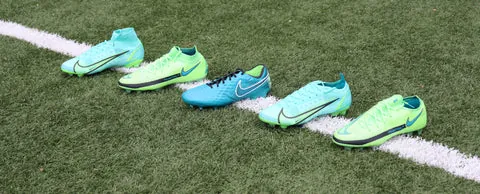
A common question is whether price equals quality. Yes, a higher‑tier model made from better materials costs more. However, that does not make a player better. Better quality does not always mean better durability. Top‑tier models prioritize thin, lightweight materials, which are more susceptible to heat, friction, and impact compared to the thicker materials found on lower‑tier models.
Related search topics
- Footwear Sizing Pricing Quality football guide
- Footwear Sizing Pricing Quality latest updates
 WhatsApp
Looking for affordable football boots and jerseys made in China?
Message us on WhatsApp at +86 151 6027 2505, or find us on Instagram at @luxurycoca.
 Instagram