Soccer Cleat Lifespan: How Long They Last and When to Replace
Every footballer recognizes the moment when a once-perfect boot begins to lose its magic. The initial break-in period delivers a customized fit, sharp trac

Every footballer recognizes the moment when a once-perfect boot begins to lose its magic. The initial break-in period delivers a customized fit, sharp traction, and a confident touch. Over time, performance fades gradually — traction weakens, comfort dips, and materials start to separate. The durability of soccer cleats depends on playing frequency, surface type, and post-match care. Recognizing the signs of wear helps players avoid injuries and maintain peak performance.
Signs That Soccer Cleats Need Replacing
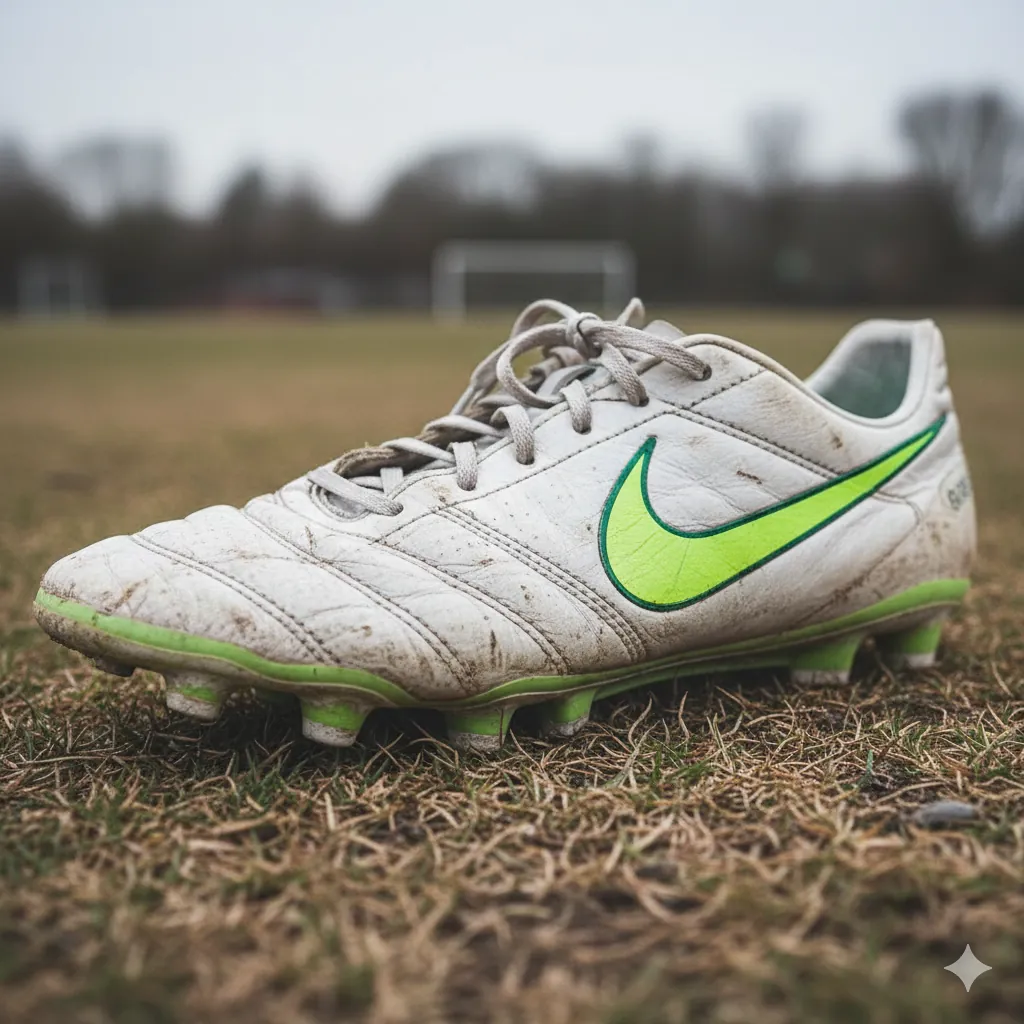
Cleats rarely fail all at once. They send clear signals before becoming unsafe or ineffective. On the pitch, a loss of grip during quick direction changes or acceleration indicates studs have worn down. Instability when planting the foot also points to degraded traction.
Another warning sign is sole separation, particularly near the toe box where repeated sprinting and striking cause the most flex. Once the soleplate detaches, moisture enters and accelerates deterioration. Inside the boot, newly developed arch pain, heel soreness, or calf discomfort suggests the internal cushioning has compressed and no longer absorbs shock properly.
Common indicators that a pair is past its useful life:
- Studs appear rounded or uneven, reducing grip
- The soleplate begins to peel from the upper
- The upper material feels stretched or loose
- New aches in the feet, heels, or calves appear during or after play
Expected Replacement Timeline
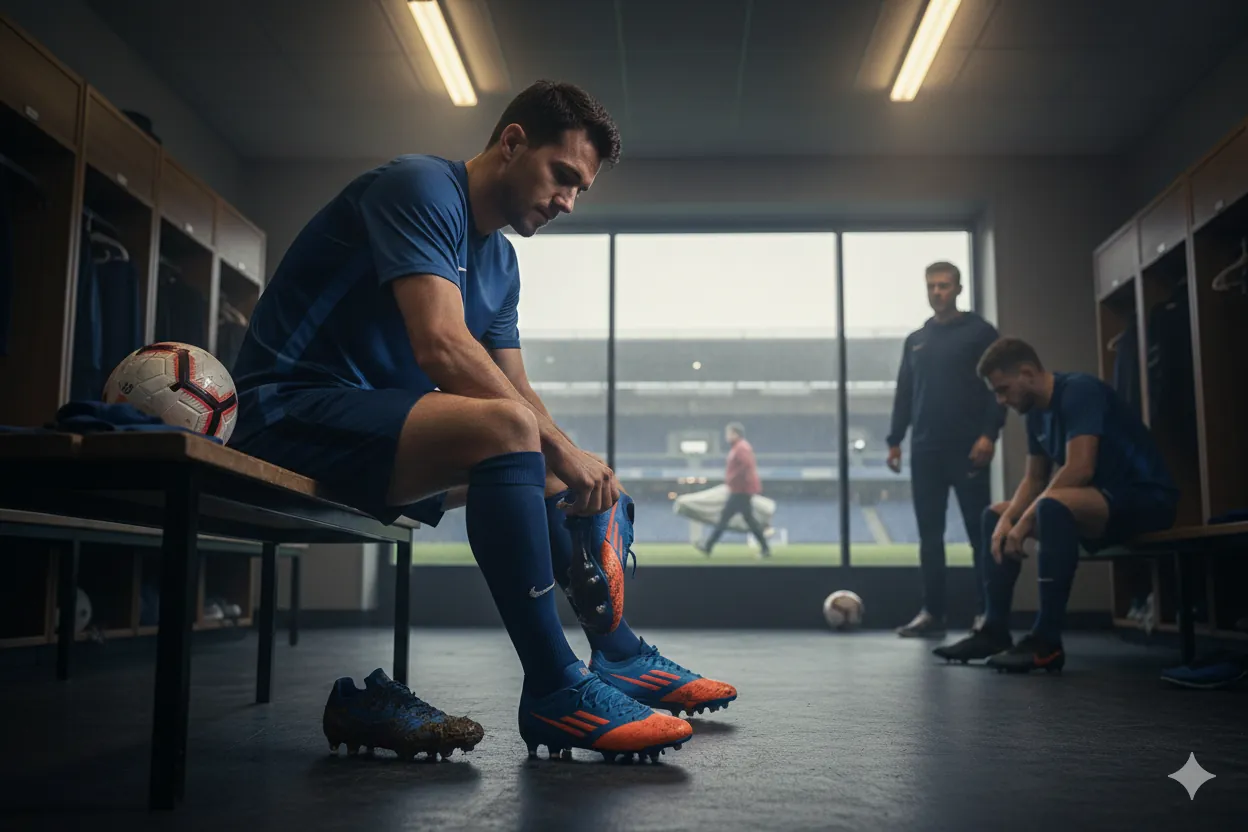
No single expiration date applies to all soccer cleats. How quickly they wear out hinges on training volume, intensity, and the playing surface. A recreational player practicing once or twice weekly can extend the life of a quality boot much longer than a competitive athlete training daily.
Every sprint, cut, and tackle stresses the soleplate, studs, and upper. Players logging heavier miles naturally shorten their boot’s lifespan. For youth players, growth adds another factor — cleats are often outgrown before they wear out.
General expectations based on usage:
- 1–2 sessions per week: Roughly 10–12 months
- 3–4 sessions per week: One full season (6–8 months)
- 5+ sessions per week: 4–6 months under heavy use
Rather than following a calendar, watch for a drop in performance. When the boots stop supporting your game, it is time for a new pair.
Material Differences and Durability
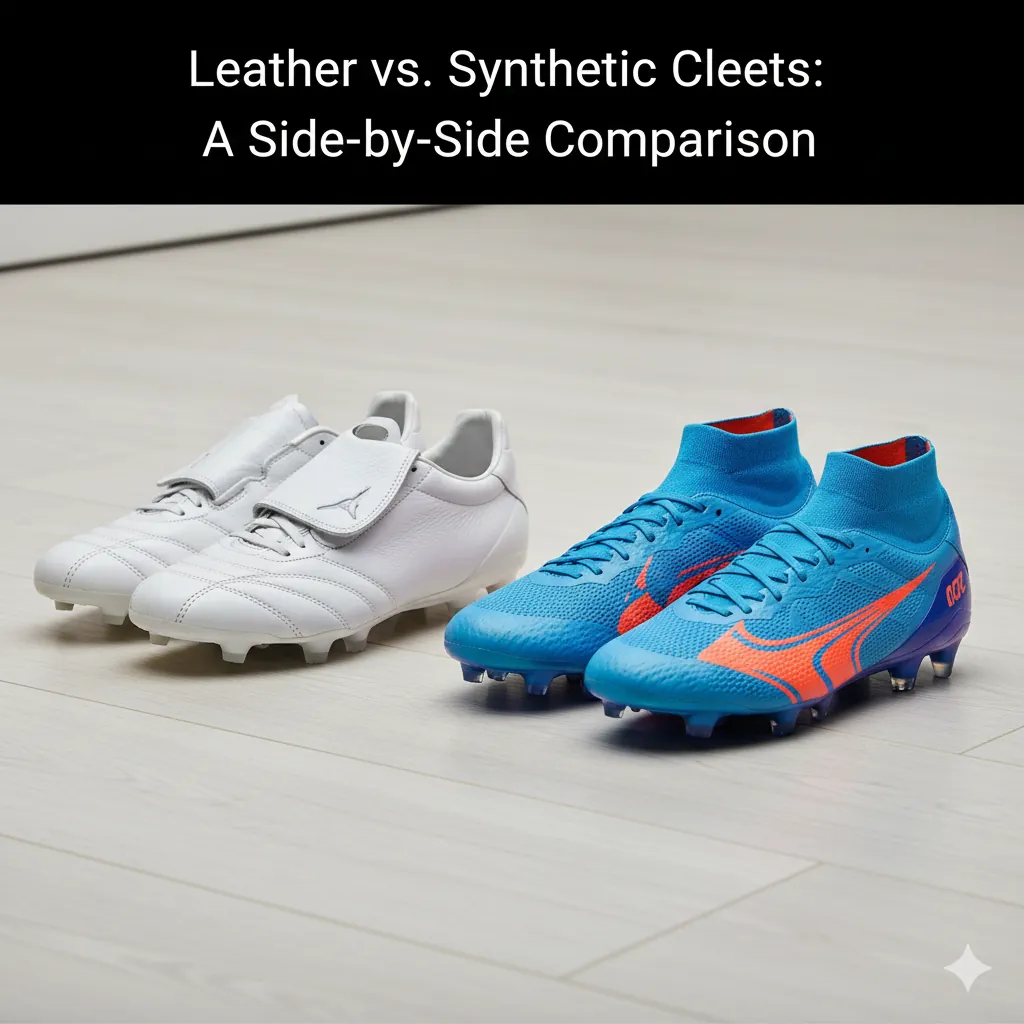
The construction and materials of a cleat strongly influence how long it lasts. Leather and synthetic boots age in very different ways, especially under regular or harsh conditions. Understanding these differences helps players choose the right match for their playing style and environment.
| Feature | Leather Soccer Cleats | Synthetic Soccer Cleats |
|---|---|---|
| Durability | Very durable with proper care | Durable, but depends on thickness and build quality |
| Fit Over Time | Molds to the foot, becoming more comfortable | Keeps original shape, minimal stretch |
| Flex & Feel | Natural flex, absorbs repeated impact | Snappier response, suited to speed play |
| Moisture Response | Can overstretch or crack if soaked and not dried properly | Highly water-resistant, less affected by wet conditions |
| Damage Resistance | More forgiving against stud contact and abrasions | Thin uppers can tear or slice, difficult to repair |
| Maintenance | Requires regular drying and conditioning | Low maintenance, easy to clean and dry |
| Best For | Players wanting comfort, durability, and longevity | Players prioritizing lightweight speed and consistency |
How to Extend Cleat Life
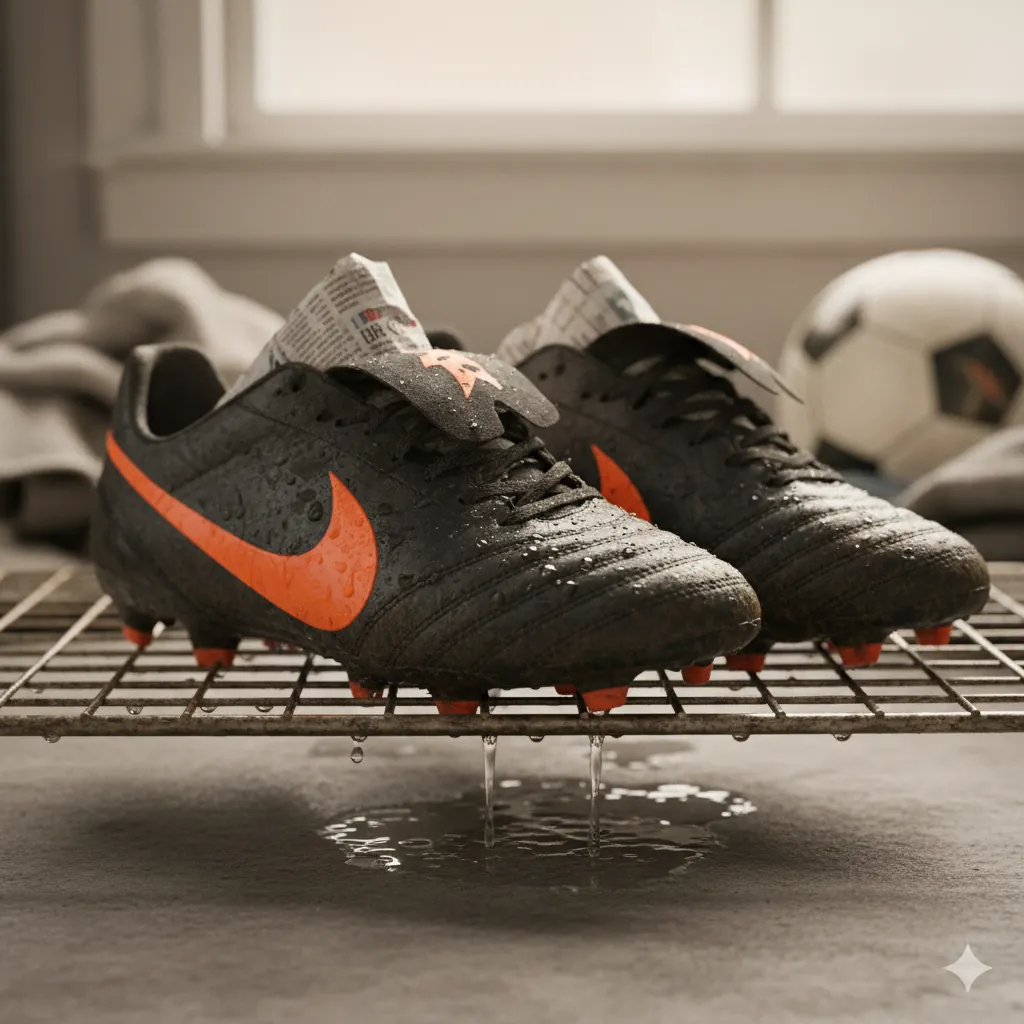
Keeping soccer cleats in good condition does not require special sprays or expensive products. Simple, consistent habits make the biggest difference. Moisture is one of the most damaging elements. Playing in wet grass, then stuffing damp boots into a closed bag, repeatedly weakens glue, stitching, and upper materials. Over time, trapped moisture leads to sole separation and premature wear.
Surface discipline also matters. Firm ground cleats are designed for natural grass, not concrete paths, locker room floors, or parking lots. Walking on hard surfaces grinds down studs and puts extra stress on the soleplate before the player even reaches the pitch.
Effective habits for longer cleat life:
- Use cleats only on their intended playing surface
- Allow boots to dry fully between sessions
- Rotate between training and match pairs when possible
- Store cleats in a breathable bag, never in sealed plastic
Cleaning Frequency for Performance
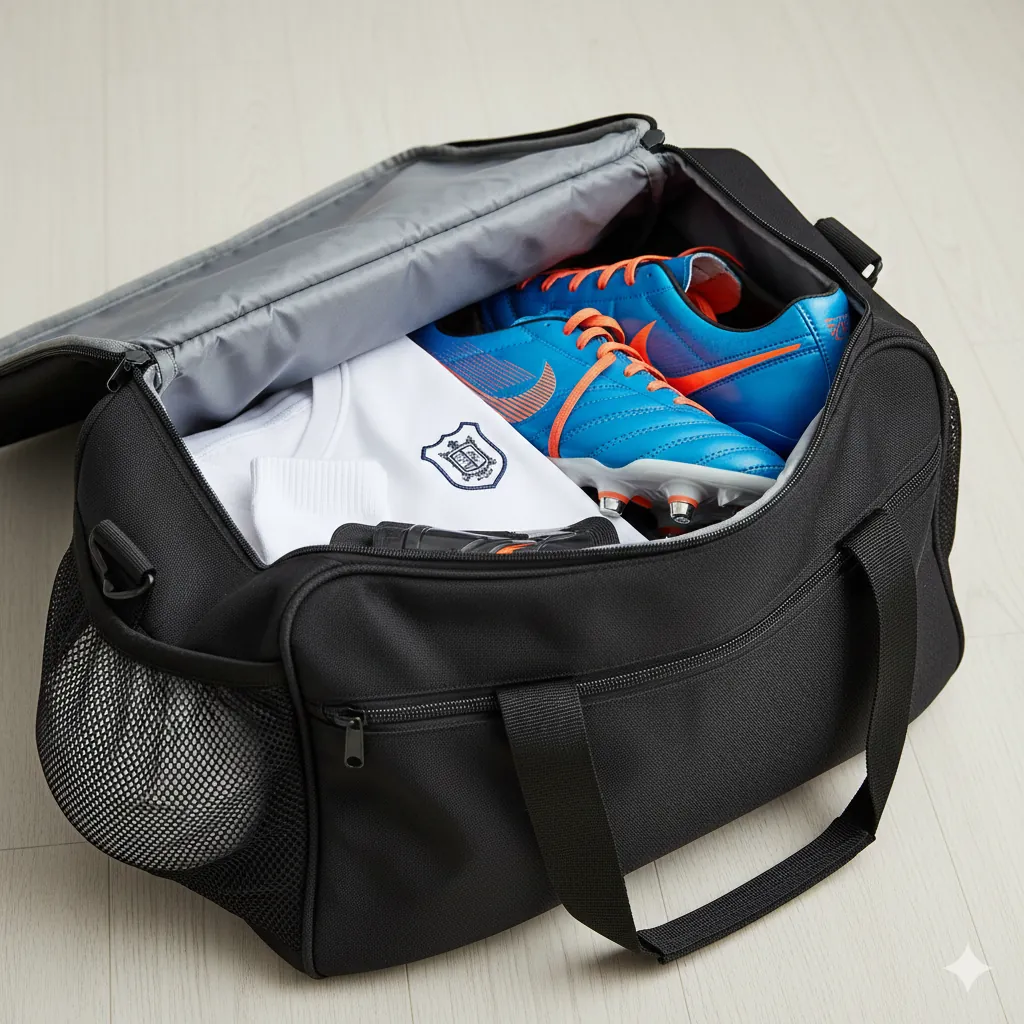
Cleaning is not just about appearance — it directly affects how the boot performs and how long it lasts. Mud and dirt dry into abrasive layers that wear down stitching, uppers, and glue with every movement.
A deep clean after every session is unnecessary, but regular care prevents materials from breaking down early. The right frequency depends on playing conditions.
Recommended cleaning schedule:
- Dry natural grass: Light wipe after each use
- Muddy or wet fields: Clean thoroughly after every session
- Artificial turf: Wipe down frequently to reduce abrasion
Frequently Asked Questions
1. How many games can one pair of soccer cleats handle?
A quality pair typically lasts between 40 and 80 games, including training sessions. High-mileage players — such as pressing forwards, box-to-box midfielders, and aggressive defenders — will wear boots faster than those in less demanding positions.
2. Do expensive soccer cleats last longer than budget options?
Not always. Elite-level boots are designed for speed and responsiveness, often using thinner materials. Mid-range models frequently outlast them because they are built with thicker uppers and more robust construction.
3. Does playing on turf wear out cleats faster?
Yes. Artificial turf is more abrasive and generates more heat than natural grass. Using firm ground cleats on turf accelerates stud wear and weakens the adhesive around the toe box significantly faster.
4. Do boot colors affect how long they last?
No. The color of the upper has no impact on durability. Players may choose cleats for style reasons — for example, the recent trend of pink boots at major tournaments — but performance and wear remain determined by materials, construction, and care habits.
Related search topics
- How Long Do Soccer Cleats Last What Players Should Expect football guide
- How Long Do Soccer Cleats Last What Players Should Expect latest updates
 WhatsApp
Looking for affordable football boots and jerseys made in China?
Message us on WhatsApp at +86 151 6027 2505, or find us on Instagram at @luxurycoca.
 Instagram