How to Choose and Fit Soccer Shin Guards for Maximum Protection
Getting the right shin guard fit is a crucial step for any soccer player. These guards protect the shin—a vulnerable area—from hard tackles and accidental

Getting the right shin guard fit is a crucial step for any soccer player. These guards protect the shin—a vulnerable area—from hard tackles and accidental kicks. But protection only works when the equipment fits correctly. This guide explains how to measure, size, and wear shin guards so you can stay safe, comfortable, and confident on the pitch.
Why the Right Fit Matters
Shin guards do more than satisfy league rules. They are your primary defense against painful bruises and serious injuries. A proper fit lets you focus fully on your game without constant adjustments or discomfort. On the other hand, guards that are too tight or too loose can slip, rub, or leave parts of your shin exposed.
Key reasons to get the fit right:
- Protection: A snug fit minimizes the chance of fractures and contusions.
- Comfort: No rubbing, pinching, or shifting means fewer distractions.
- Confidence: Knowing your legs are protected helps you play fearlessly.
- Compliance: Most competitions require guards that meet specific fit standards.
How to Measure for Shin Guards
Accurate measurement is the first step to a secure fit. Guards should feel snug without digging into your skin, and they must stay in place during sprints and kicks.
Follow these steps:
- Measure your shin length. Use a tape measure from just below your kneecap to just above your ankle bone.
- Check the brand’s size chart. Most manufacturers list sizes as Youth Small, Youth Medium, etc., based on shin length.
- Test for snugness. The guard should sit firmly against the leg without squeezing.
- Try with full gear. Wear your normal socks and cleats to confirm the guards stay put during movement.
Shin Guard Size Reference
| Shin Length | Recommended Size | Typical Age Group |
|---|---|---|
| 10″–11″ (25–28 cm) | Youth Small | Under 8 years |
| 11″–12″ (28–30 cm) | Youth Medium | 8–10 years |
| 12″–13″ (30–33 cm) | Youth Large | 10–12 years |
| 13″–14″ (33–36 cm) | Adult Small | 12–15 years |
| 14″–15″ (36–38 cm) | Adult Medium | 15+ years |
| 15″–16.5″ (38–42 cm) | Adult Large | Taller teens & adults |
| 16.5″+ (42+ cm) | Adult X-Large | Tall adults |
Signs of a Proper Fit
You can tell your shin guards fit correctly when:
- Full coverage: They run from just below the knee to just above the ankle.
- No slipping: They stay fixed during running, tackling, and kicking.
- Comfortable pressure: Snug but not painful; no rubbing or digging.
- Lightweight feel: They don’t feel bulky or interfere with movement.
- Works with gear: They pair well with socks and cleats without shifting.
Common Fit Mistakes
Even experienced players sometimes get the fit wrong. Avoid these errors:
- Oversized or undersized guards. Too short and parts of your shin are exposed; too large and they feel heavy or slide around.
- Incorrect placement. Positioned too high or low leaves the shin bone vulnerable.
- Neglecting ankle support. Some players benefit from guards with built-in ankle padding to reduce sprain risk.
- Worn-out equipment. Old guards have degraded padding that absorbs less impact and stays in place poorly.
Types of Shin Guards
Different styles suit different playing styles and comfort preferences.
Slip-in Shin Guards
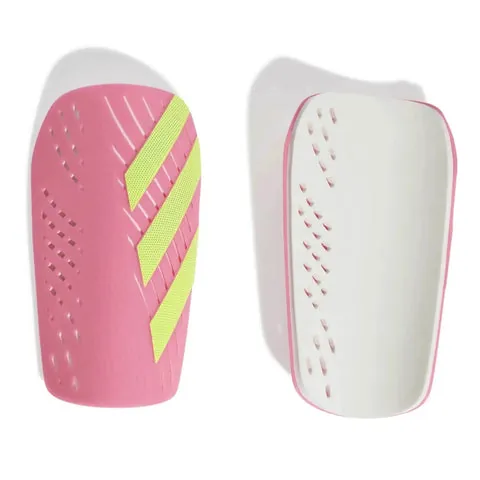
These lightweight guards slide directly under your socks. They require tight socks or compression sleeves to prevent movement. Ideal for players who prefer minimal weight and maximum flexibility.
Ankle Shin Guards
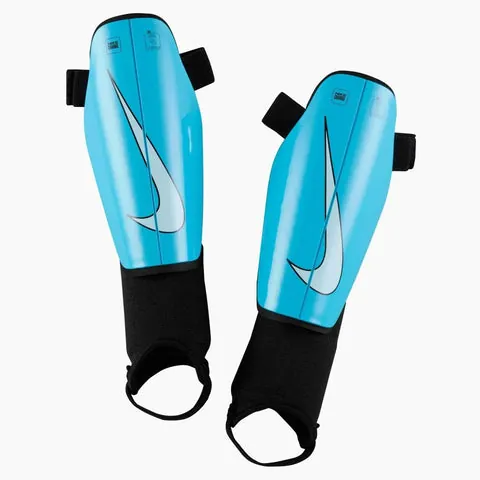
Extra padding around the ankle adds stability and coverage. These are popular among younger players and anyone wanting greater protection for the lower leg.
Sleeve Shin Guards
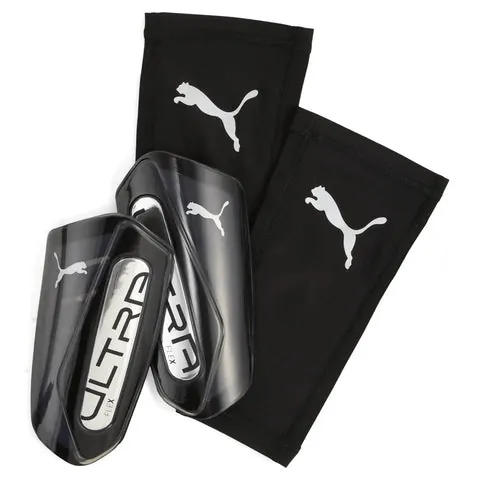
Built into a fabric sleeve, these guards hug the leg firmly and rarely shift during play. They are a top choice for competitive players who want consistent, no-adjustment protection.
Modern Trends: Socks and Shin Guard Integration
Many players today modify their socks to improve shin guard fit and comfort. Some cut small holes in their socks to relieve pressure on the toes or to allow for better circulation. This technique, seen at professional levels, helps keep guards in place without sacrificing breathability or feel. Pairing the right sock style with your guards can make a noticeable difference in how secure and comfortable they feel over 90 minutes.
FAQ
1. How high should shin guards be worn?
They should cover from just above the ankle bone to about two inches below the knee. This range protects the full shin while allowing natural movement.
2. Should shin guards be bigger or smaller than your shin?
Neither. The guard should match your shin length exactly. Oversized guards feel bulky; undersized ones leave gaps. Always rely on measurements, not guesswork.
3. Where should shin guards sit on the leg?
They should rest directly on the front of the shin bone, centered between the ankle and knee. They must not shift to the side or drop too low during play.
Related search topics
- how should soccer shin guards fit kids
- how should kids shin guards fit
- how do soccer shin guards fit
- how should youth shin guards fit
 WhatsApp
Looking for affordable football boots and jerseys made in China?
Message us on WhatsApp at +86 151 6027 2505, or find us on Instagram at @luxurycoca.
 Instagram