Indoor Futsal Shoes vs Turf Football Boots: Choosing the Right Sole for the Surface
Selecting the correct footwear for futsal or football is essential for stability, safety, and surface preservation. Many players mistakenly use the wrong t
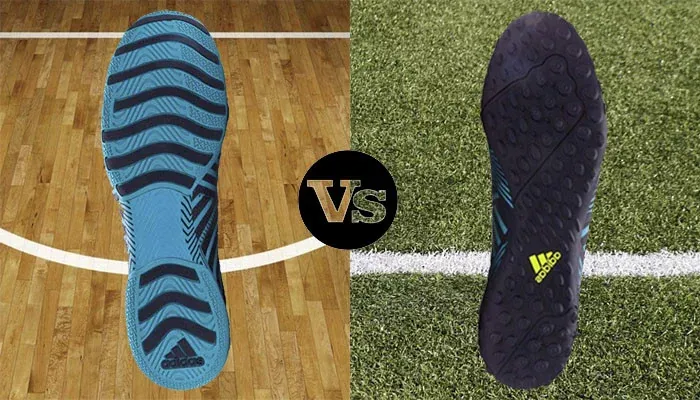
Selecting the correct footwear for futsal or football is essential for stability, safety, and surface preservation. Many players mistakenly use the wrong type of shoe, leading to joint problems, injuries, and faster wear. This guide explains the key differences between indoor futsal shoes and turf football boots, focusing on sole design and surface compatibility.
Understanding Playing Surfaces and Sole Types
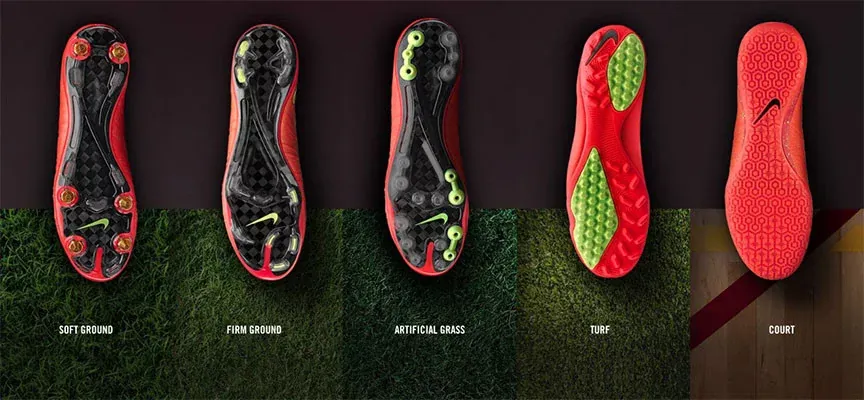
Football-related surfaces fall into several categories, each requiring a specific sole type:
- Natural grass: SG, FG, or mixed soles.
- 3rd generation artificial grass: FG or AG soles.
- 1st generation artificial grass: AG and turf soles.
- Indoor surfaces (parquet, taraflex, paved concrete): Indoor soles.
- Other surfaces (clay, cement, outdoor courts): AG, turf, or indoor soles depending on conditions.
The article focuses on indoor soles and turf soles, explaining their appropriate applications.
Indoor Soles for Smooth Courts
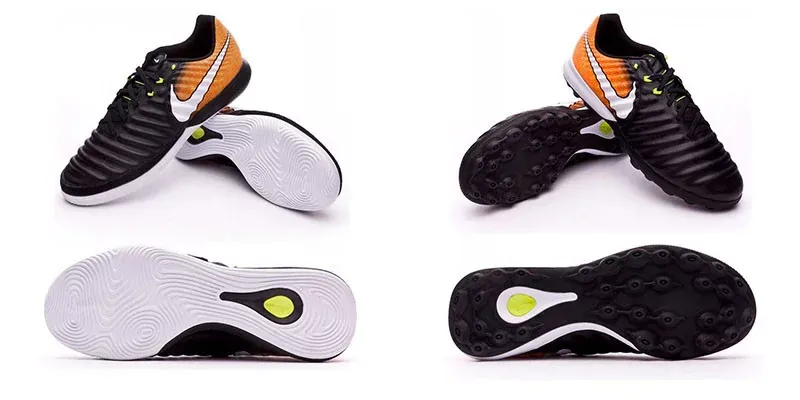
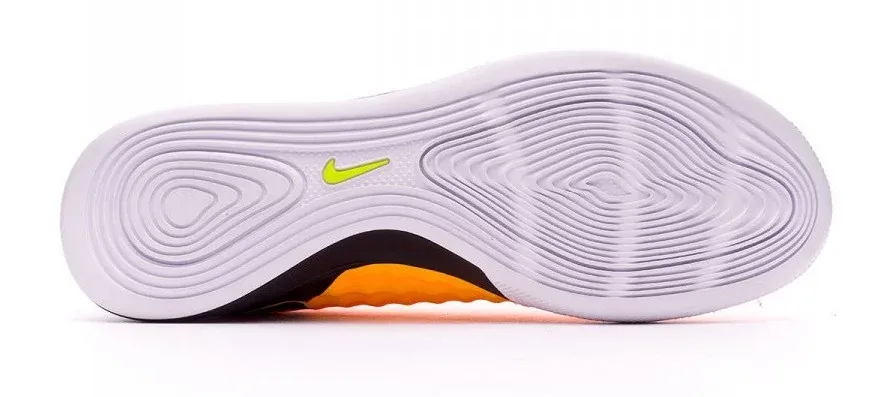
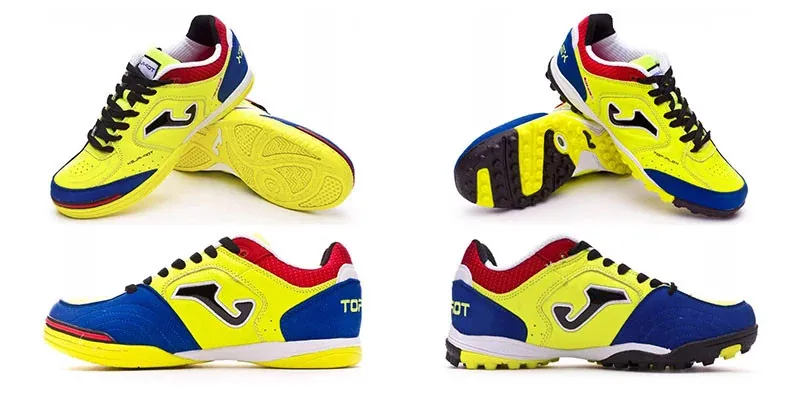
The ideal sole for indoor football is the smooth indoor sole. Some players mistakenly believe that a turf sole, with its many small studs, offers better grip on indoor surfaces. In reality, the mini studs of a turf sole provide very little contact area against polished floors like parquet or taraflex, causing the player to slip frequently. A flat, smooth sole that rests entirely on the ground delivers superior traction and stability.
Turf Soles for Abrasive Terrains
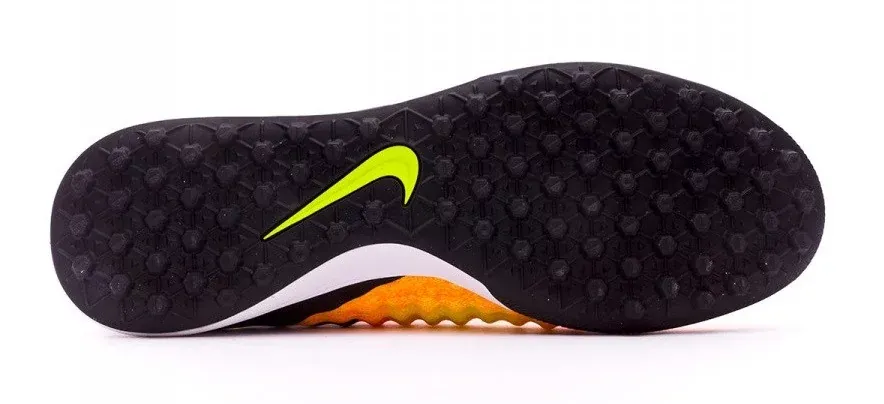
Turf soles are typically dark-coloured and covered with many small mini studs, usually around five millimetres in length. This design is intended for rough, abrasive surfaces such as carpet, cement, or dry earth, where natural cushioning is absent. On synthetic surfaces, FG or AG studs often do not dig in but rest on top, concentrating pressure and causing plantar pain. The multiple mini studs of a turf sole distribute impact across the entire sole, reducing discomfort. Consequently, turf boots should not be used on natural grass or 3rd generation artificial turf.
Similarities Beyond the Sole
Apart from the sole, turf shoes and indoor sole shoes share many features. The midsole is critical in both types, as it provides cushioning on hard surfaces, protecting the athlete’s joints with every step. The upper materials are also similar, including natural leather, synthetic leather, and mesh constructions.
Conclusion: Choosing the Right Footwear
Indoor soles are designed for smooth indoor surfaces like parquet, while turf soles are suited for rougher outdoor terrains such as carpet or earth. Using the wrong footwear not only voids the manufacturer’s guarantee but also increases the risk of joint issues, sprains, and other injuries. Before playing, always analyse the playing surface and select footwear specifically designed for that activity.
Related search topics
- Indoor futsal shoes VS Turf football boots football guide
- Indoor futsal shoes VS Turf football boots latest updates
 WhatsApp
Looking for affordable football boots and jerseys made in China?
Message us on WhatsApp at +86 151 6027 2505, or find us on Instagram at @luxurycoca.
 Instagram