Italy's World Cup Jerseys: A Visual History of the Azzurri Kits
Italy’s national football team, the Azzurri, have one of the most decorated histories in the sport. Their famous blue shirts have been updated for every Wo
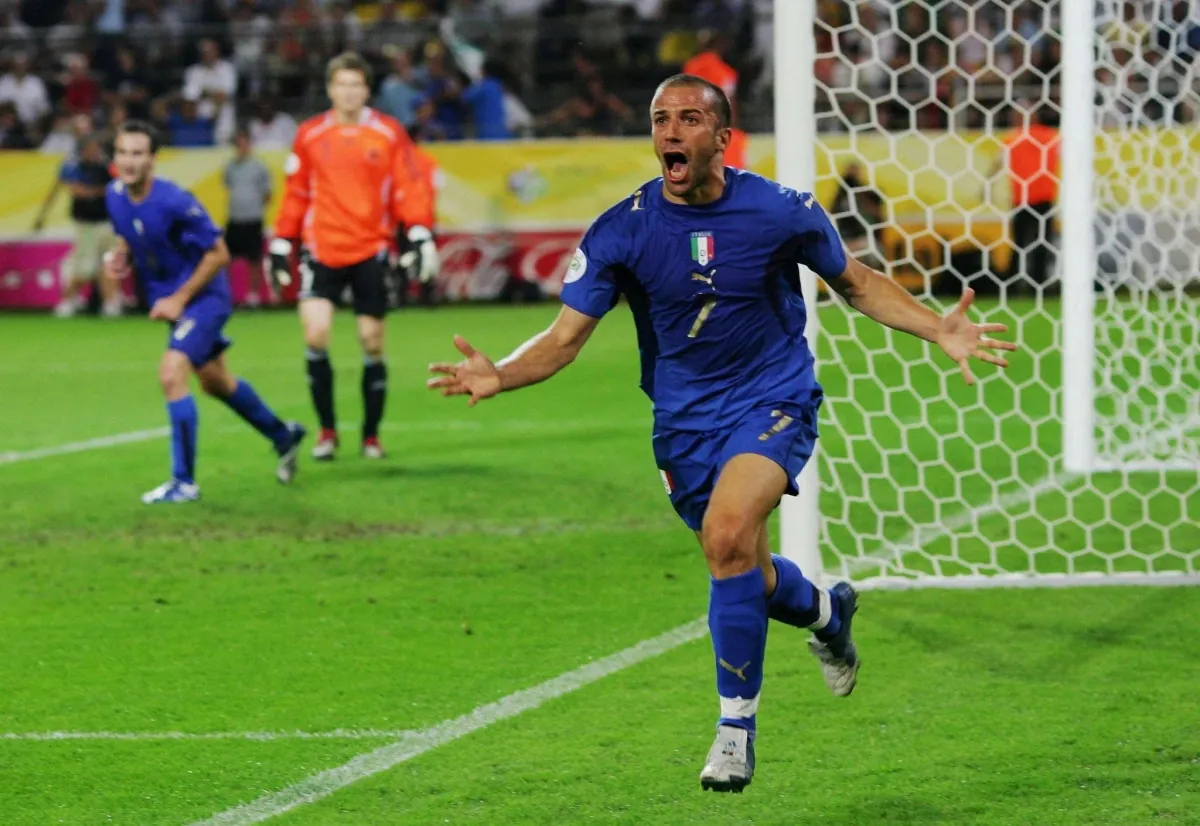
Italy’s national football team, the Azzurri, have one of the most decorated histories in the sport. Their famous blue shirts have been updated for every World Cup campaign since the tournament began. This article takes a chronological look at the design changes, from the 1934 triumph to the modern kit created for 2026.
1934 and 1938: The First Two Titles
The story starts in 1934 when Italy hosted and won the World Cup. The team wore a simple blue shirt.
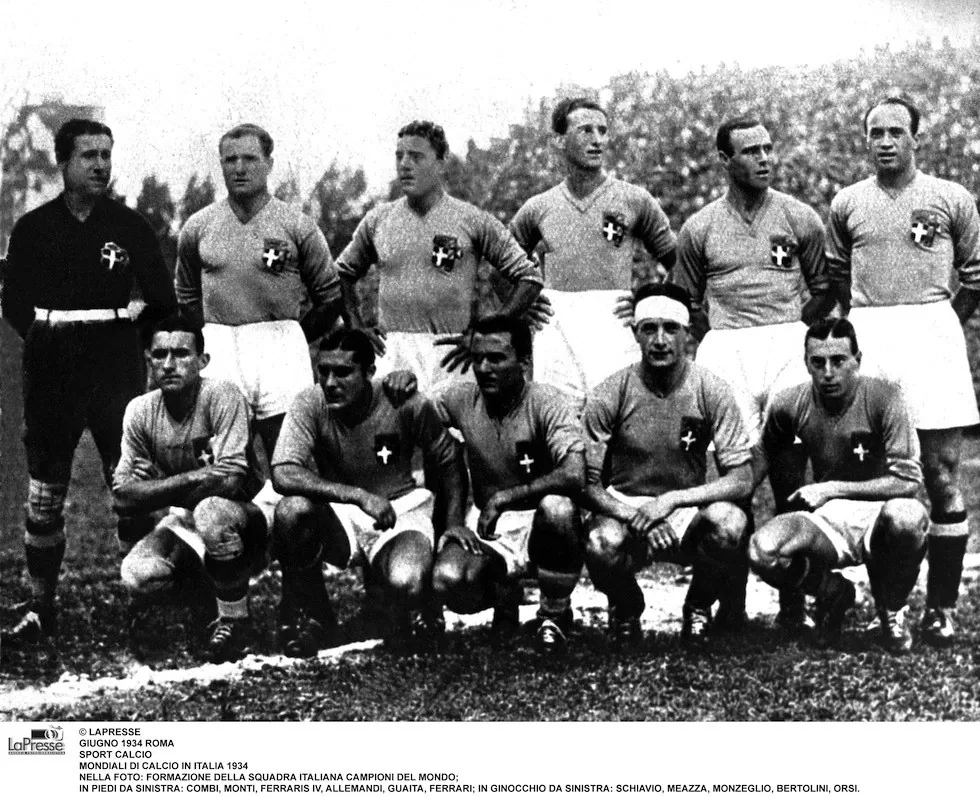
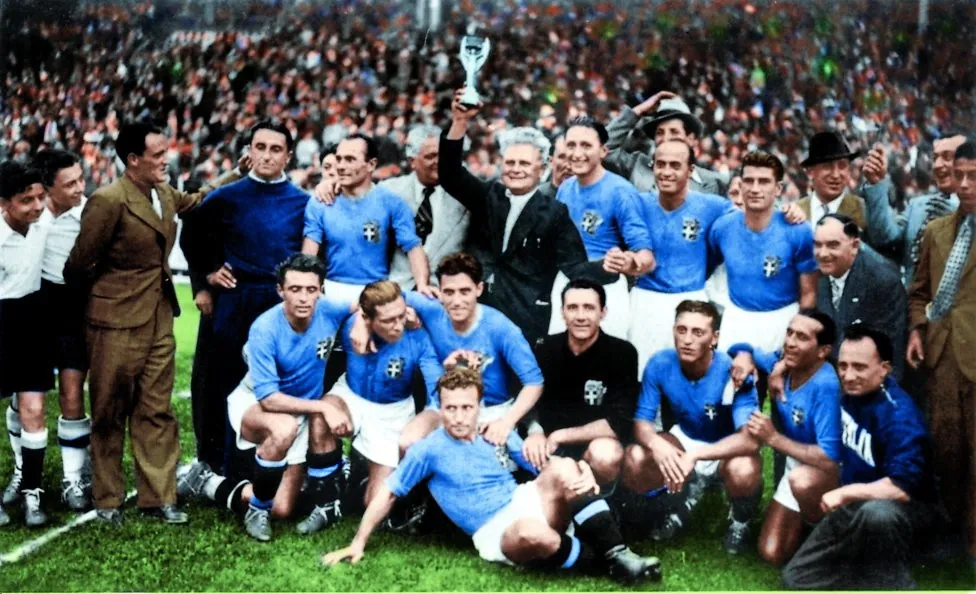
Four years later in France, Italy defended the title. The first kit remained blue and the second kit was black. Both jerseys were plain, classic, and very similar to each other.
1950 and 1954: Post-War Refresh
For the 1950 tournament in Brazil, a new crest appeared. The home jersey featured a prominent collar, typical of the era. The away shirt changed from black to white with a single blue stripe.
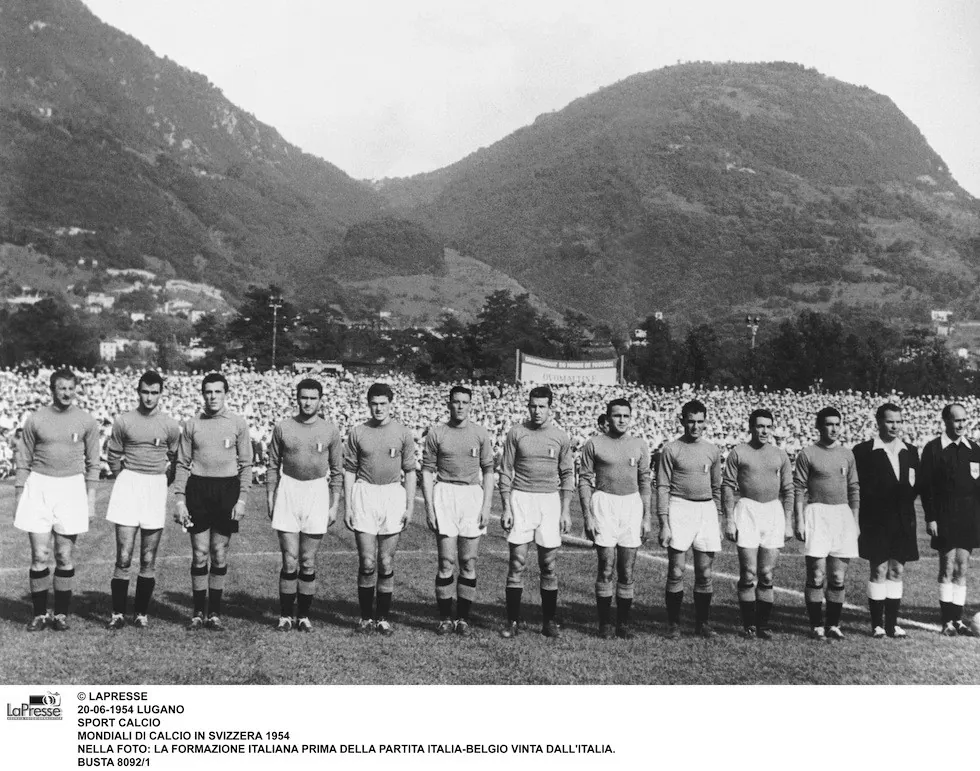
Switzerland 1954 saw a high collar and a slightly redesigned crest. The overall look stayed clean and elegant.
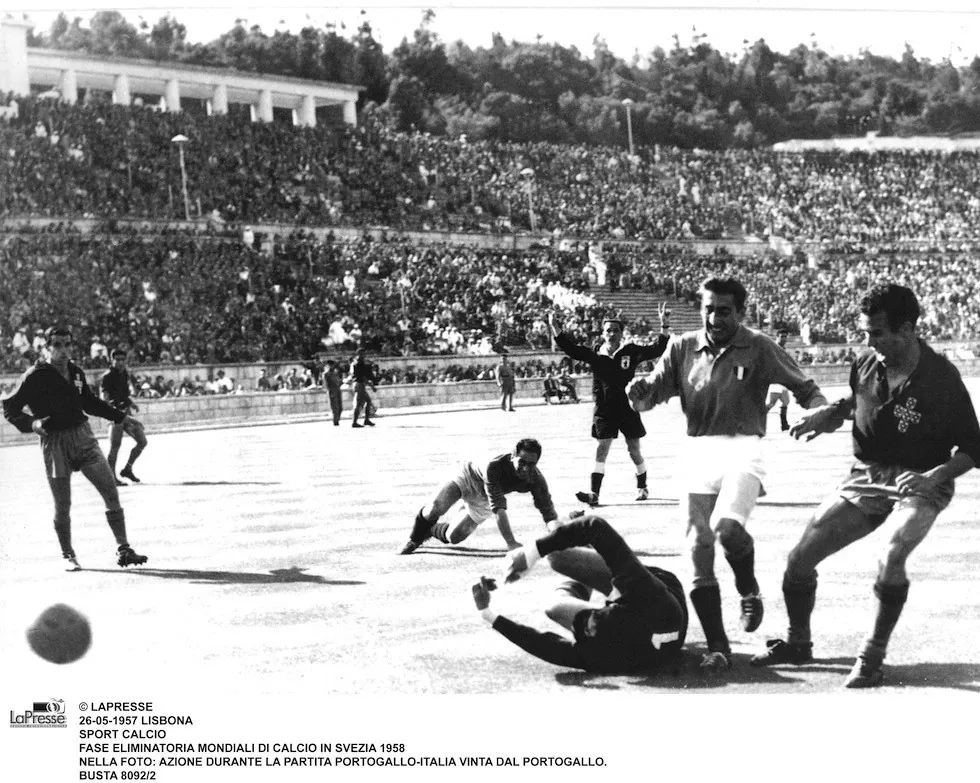
1962 to 1970: From Polo Collars to Bright Blues
The Chile 1962 shirt introduced a polo-style collar with buttons – a very traditional design.
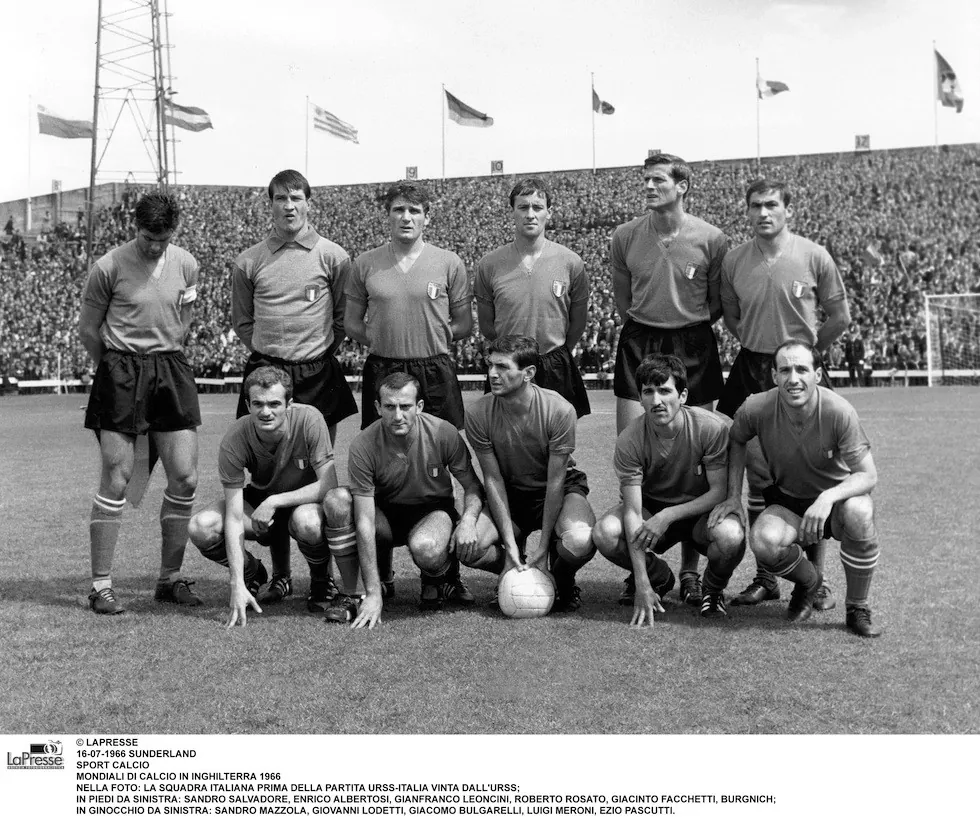
England 1966 brought back a round neck and an even simpler appearance, reminiscent of the earliest kits.
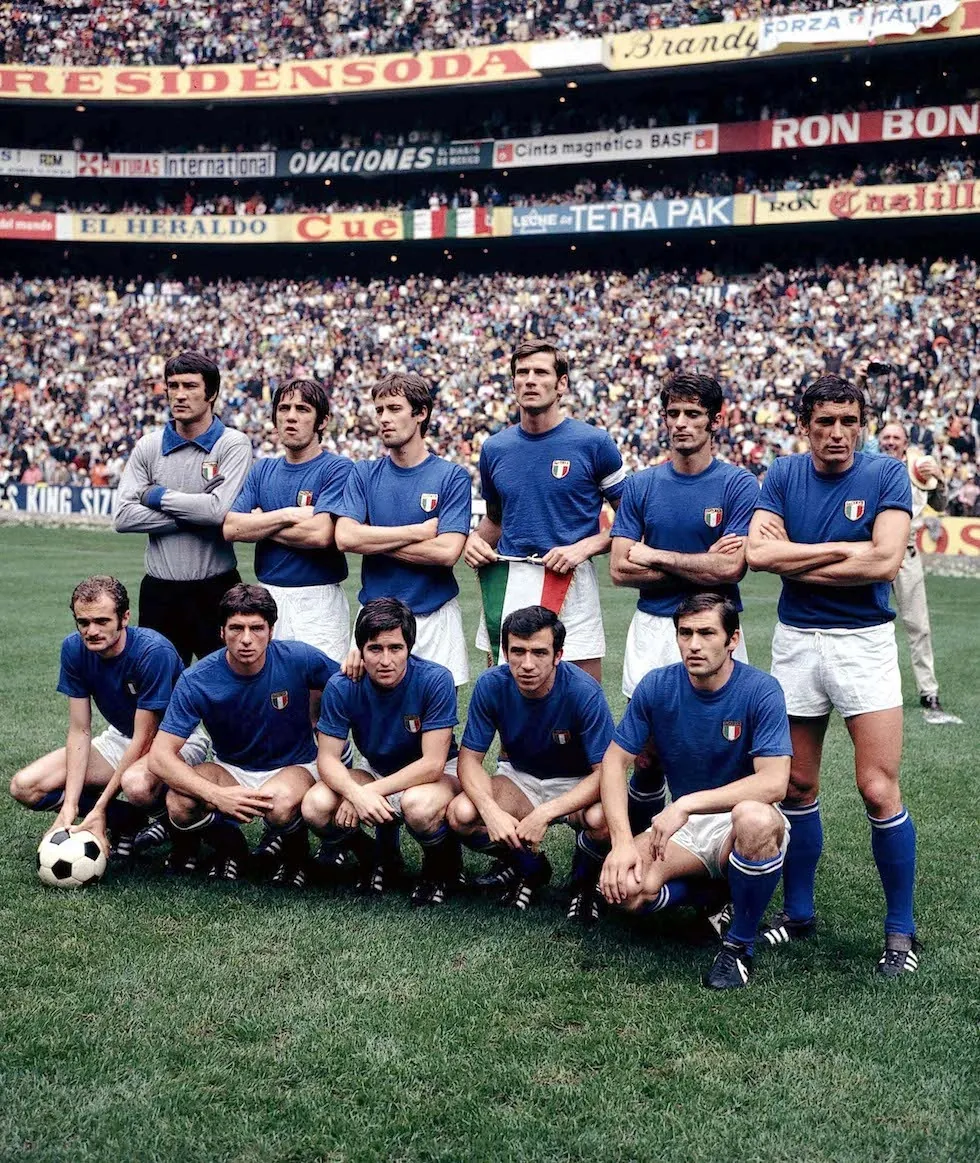
In Mexico 1970, Italy finished as runners-up. They wore a brighter blue jersey with a more vivid tone that almost helped them win the final.
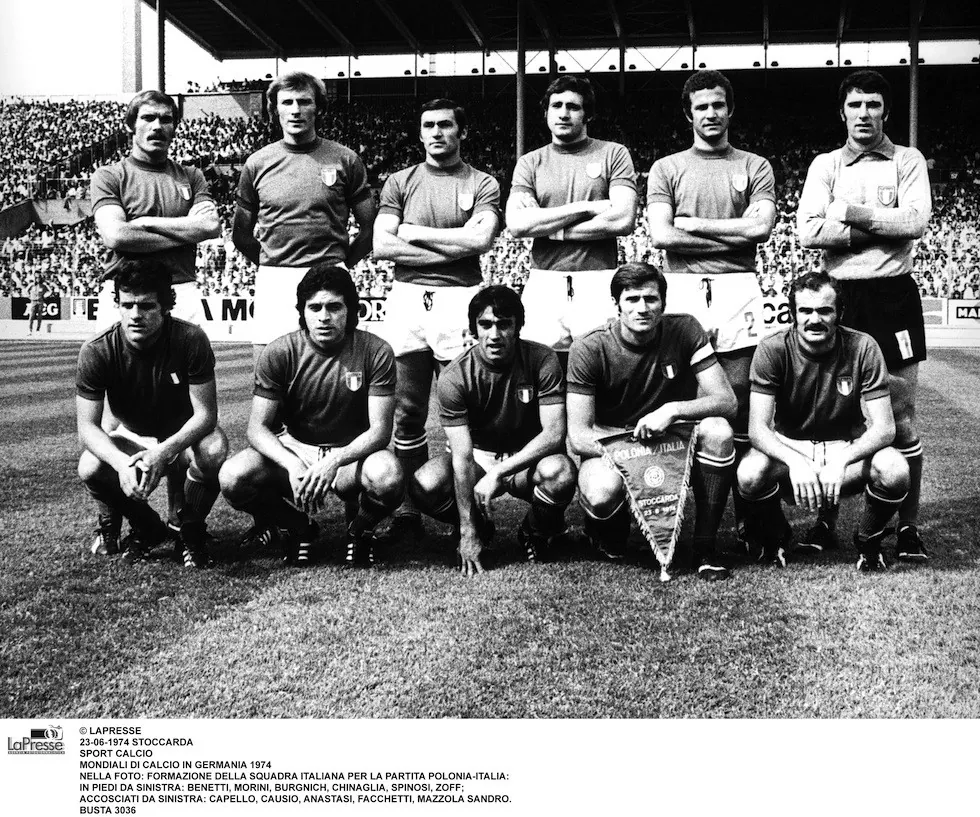
1974 to 1982: Subtle Tweaks and a Winning Design
The 1974 Germany shirt was produced locally and differed only slightly in the collar and sleeves, keeping the same overall feel.
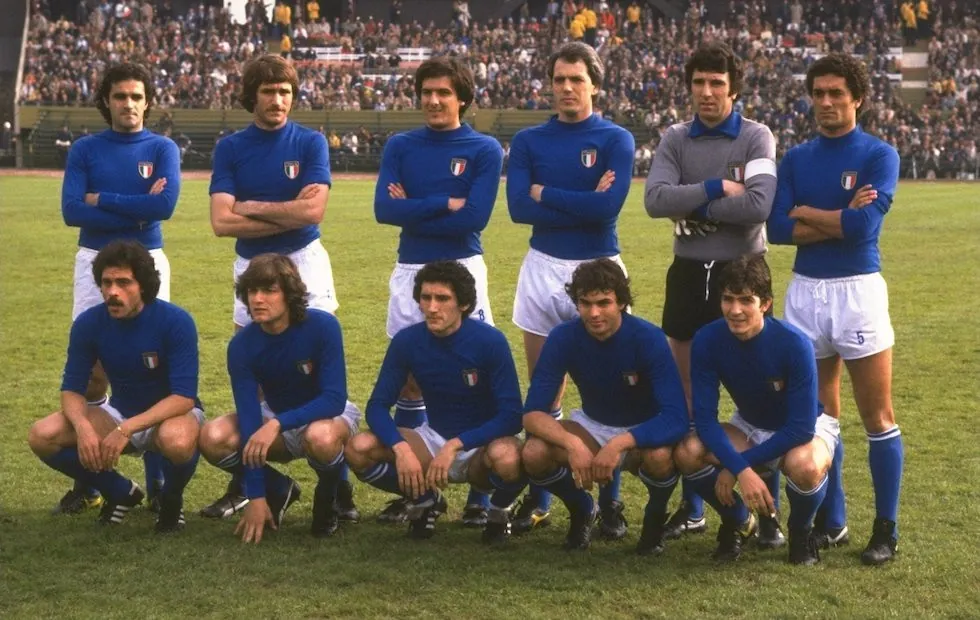
Argentina 1978 featured a modified design that remained largely unchanged. The away kit lost the central blue line.
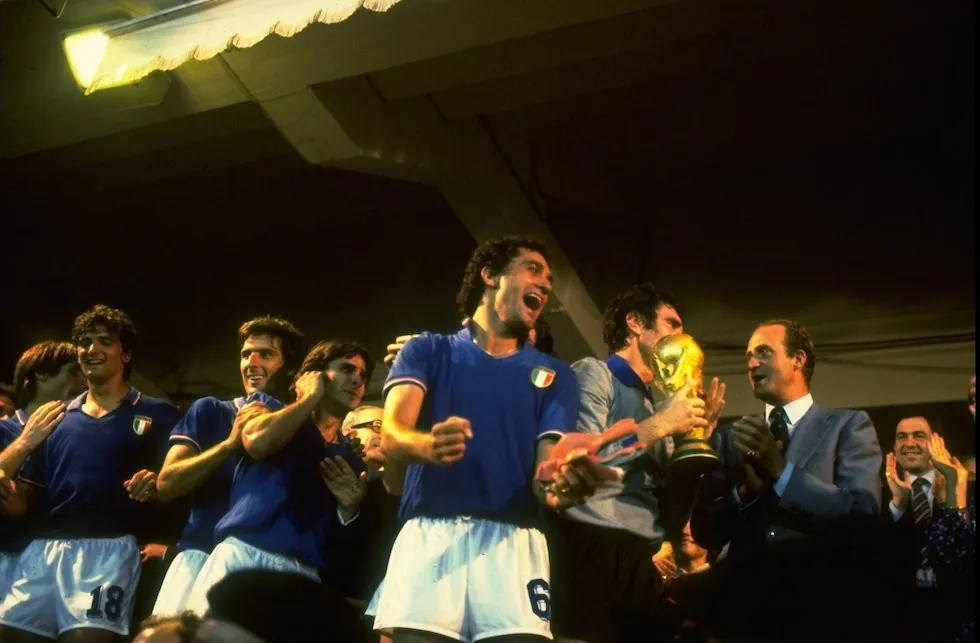
For Spain 1982, Italy introduced a completely new jersey. Small details on the collar and sleeves featured the Italian flag, and the team went on to win the tournament.

1986 to 1994: Modern Materials and Bold Patterns
Mexico 1986 saw a similar look to the previous jersey but with more modern fabric, giving the Azzurri a fresh appearance along with a new crest.
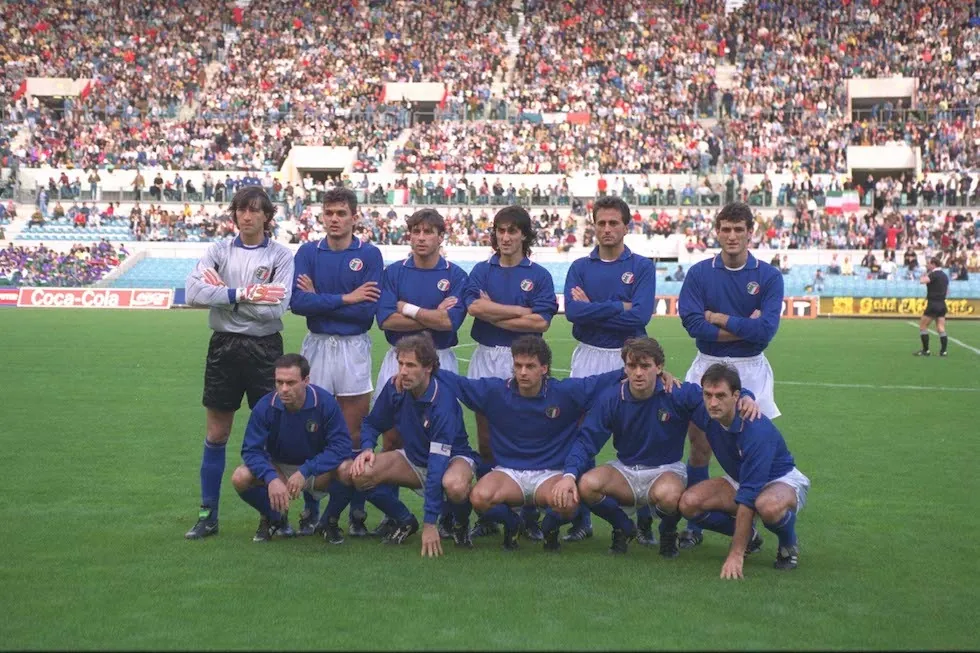
Italy 1990 saw the hosts finish third in a very minimalist shirt where the collar was the main feature.
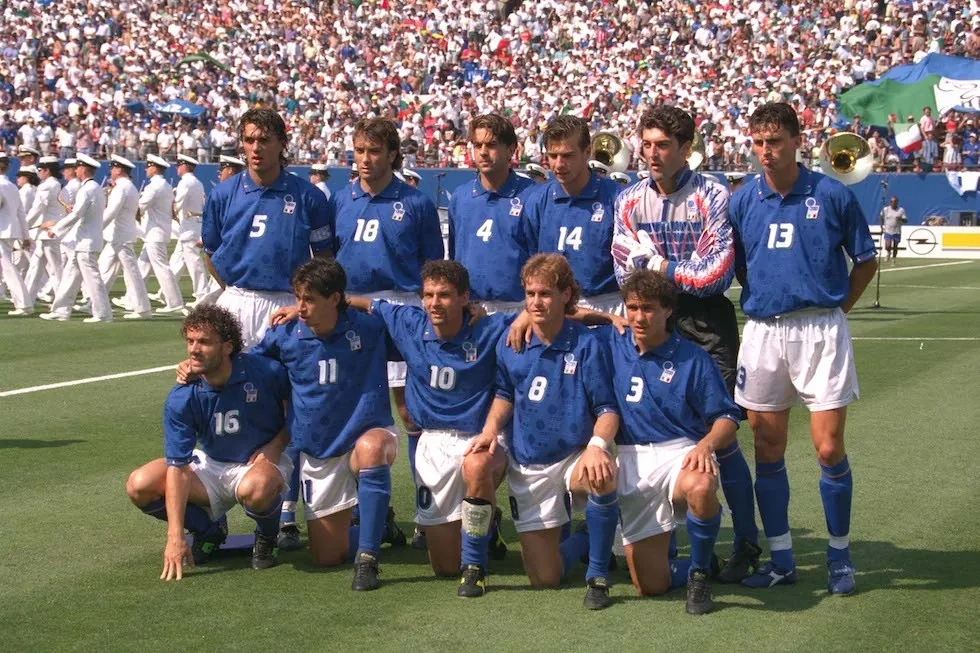
The 1994 USA tournament produced a memorable Diadora jersey. It had a striking pattern, a detailed collar, and the squad number on the front. Fans still talk about this bold design.
1998 to 2006: Nike, Then Puma Returns
Nike adjusted the V-neck polo design for France 1998, using the crest introduced in 1992.
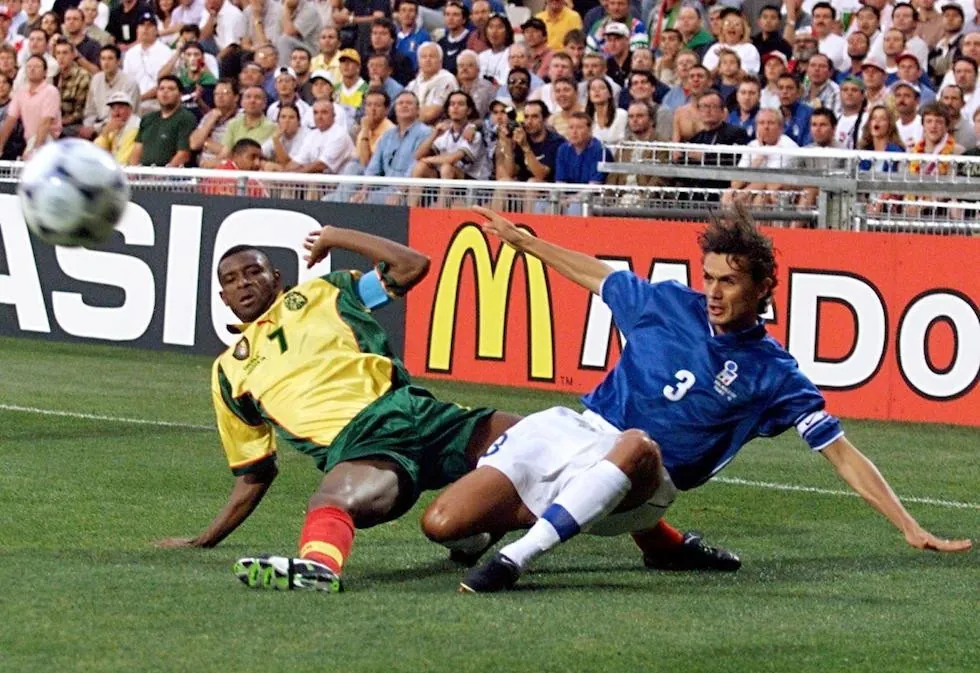
Korea/Japan 2002 produced another famous Azzurri shirt. It had a raised collar and a tight fit. While results were modest, the aesthetic was considered exquisite.
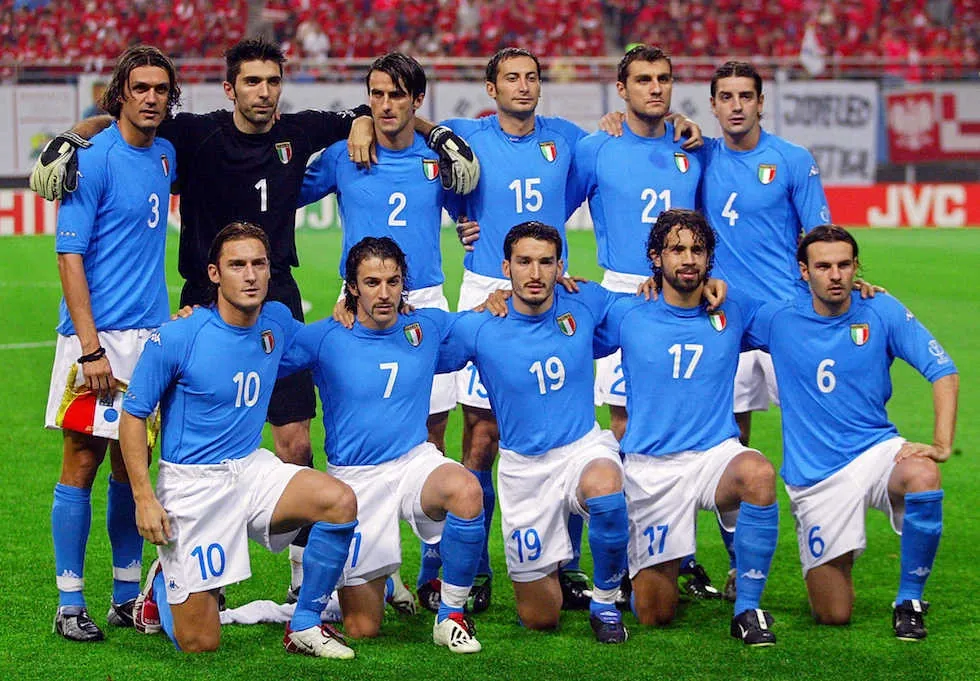
Germany 2006 saw Puma back as the manufacturer. The shirt featured black accents and a pronounced V-neck. It proved lucky – Italy won the cup. A special gold version was worn by goalkeeper Gianluigi Buffon.

2010 to 2014: Retro Influences
South Africa 2010 used a Puma design that recalled the 1990s. White details, a watermark pattern across the fabric, an open collar, and a different crest marked the kit.
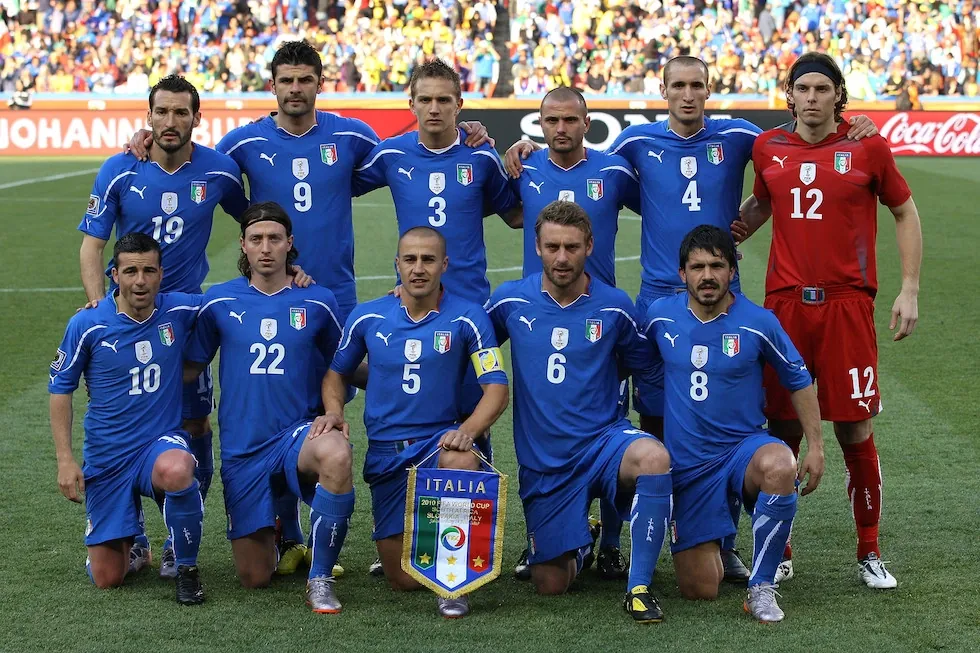
Brazil 2014 brought a very retro look with a pronounced polo neck and flag details on the sleeves. The close fit drew attention, but the team’s performance did not match the shirt’s popularity.
The 2026 World Cup Kit
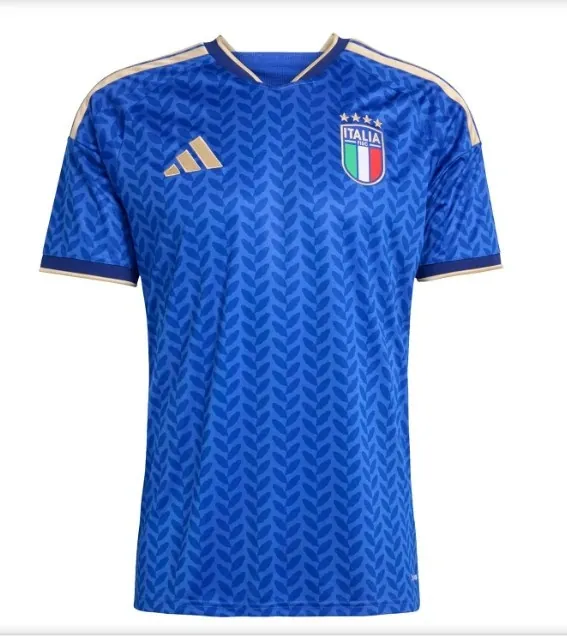
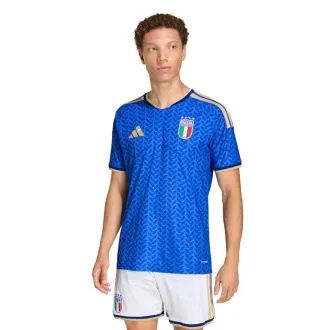
Adidas has designed the newest Azzurri jersey for the 2026 tournament, for which Italy is on the verge of qualifying.
Related search topics
- Italy s World Cup Jerseys football guide
- Italy s World Cup Jerseys latest updates
 WhatsApp
Looking for affordable football boots and jerseys made in China?
Message us on WhatsApp at +86 151 6027 2505, or find us on Instagram at @luxurycoca.
 Instagram