Ranking Every adidas Predator Boot: A Performance-Based Guide
Since debuting in 1994, the adidas Predator silo has spent over 26 years on the pitch, with a brief retirement between 2014 and 2017. During that hiatus, r
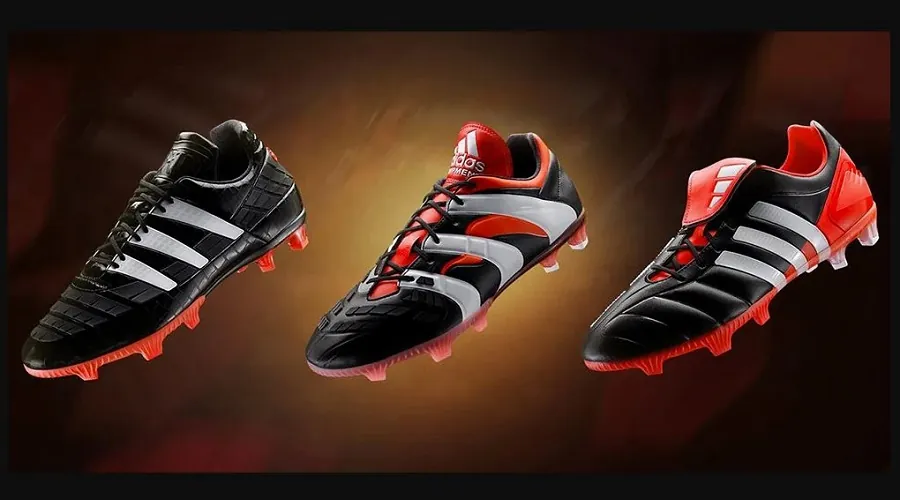
Since debuting in 1994, the adidas Predator silo has spent over 26 years on the pitch, with a brief retirement between 2014 and 2017. During that hiatus, remake versions kept the demand alive until the line was revived. Recognised as the elite power boot and one of the most influential silos ever released, the Predator has continually focused on helping players strike the ball with power, swerve and finesse. With more than 15 official installments released, this ranking assesses each version based on playing performance and overall value to the market.
The Rankings: From Worst to Best
No. 15 – Predator Precision (2000)
Key Technology: Traxion studs plus Velcro tongue.
The fifth version of the Predator offered a completely different performance direction for the range. The Predator elements on the front were dramatically trimmed down and stacked in a vertical line to improve spin on the ball, almost resembling a fan vent. adidas also introduced a new Traxion stud system that allowed players to remove and replace blades. The main drawback was the overly bulky and full-bodied feel of the Precision.
No. 14 – Predator X (2009)
Key Technology: Old School design plus Powerspine technology.
This boot returned to the range’s roots but bulked up in the weight room. The increased weight is the main reason it sits low on the list, but the fundamentals are solid. A dotted rubber panel (the Predator Zone) was added to increase swerve on shots, and the tongue was removed for a more streamlined look. The upper introduced “Taurus” leather, a more economical material designed to be slightly more durable than the K-Leather used on prior models.
No. 13 – Predator Absolute (2007)
Key Technology: Changeable PowerPulse sockliners.
Building on the Predator Pulse, adidas introduced interchangeable insoles. You could choose a regular foam version or swap for a sockliner with a liquid filling that acted as an energy source during shots. The Predator element was also modified, but it did not perform as positively as earlier versions.
No. 12 – Predator Pulse (2004)
Key Technology: Power Pulse Technology.
The sixth installment used a highly advanced insole system. The Power Pulse consisted of a series of weights in a cavity at the front of the insole, intended to increase striking power. As the boot moved toward the ball, the weight shift reportedly helped pivot the foot more forcefully and produce firmer shots.
No. 11 – Predator Lethal Zones (2012)
Key Technology: Five Lethal Zones.
The Lethal Zones took a completely new direction, shifting from a pure power boot to a hybrid focused on control. Five zones (Dribble, First Touch, Drive, Pass and Sweet Spot) each featured strategically positioned rubber elements. This was also the first Predator with a synthetic leather upper and the adidas miCoach system. While advanced, they were not the best from a Predator performance perspective.
No. 10 – Predator Touch (1996)
Key Technology: Increased fin coverage across the strikezone.
As the third generation, the Predator Touch added more fins right up around the lacing system, giving players more opportunity to add swerve and power through the strikezone. The tongue was also adjusted to sit across the top layer of laces, creating a larger strike area.
No. 9 – Predator Rapier (1995)
Key Technology: Introduction of the Fold-over tongue.
adidas’ second-generation Predator slimmed down the design and made the boot slightly lighter while retaining the expected technology. It introduced the famous fold-over tongue, which set a trend for the range until the 2009 Predator X.
No. 8 – Predator 20 Mutator (2020)
Key Technology: DemonSkin with 406 rubber elements.
This release finally brought back what fans consider a true Predator. DemonSkin is an all-new technology developed to enhance grip on the ball and maximise control. Taking cues from nature, the Predator 20 Mutator re-imagines the boot’s iconic shape with a striking high-collar, low-cut front design mutation. With more time on the market, these are likely to climb higher on this list.
No. 7 – Predator Powerswerve (2008)
Key Technology: SmartFoam Strike Zone.
The ninth incarnation became one of the most iconic modern releases, worn by players such as Steven Gerrard, Xavi, Robin van Persie, Dimitar Berbatov, Raul and David Beckham. SmartFoam, a more energetic material, was layered along the Predator zone to increase rebound when striking. The fold-over tongue was enlarged to extend down the lacing system, increasing surface area. Players again had the option to switch out the insole for a tungsten-filled system.
No. 6 – Predator Mania (2002)
Key Technology: Increased presence of K-Leather.
Released before the 2002 World Cup, the Mania generated immediate intrigue. adidas took a radical approach, resulting in a lighter, more streamlined boot. The Traxion soleplate system allowed players to change out blades for different field conditions. A distinct layer of fins lined the strikezone, making it an ideal tool for bending shots and adding rebound. The Mania remains one of the boots many fans wish adidas would remake.
No. 5 – Predator (1994)
Key Technology: First Predator fins.
The very first Predator was designed by former Australian footballer Craig Johnston, who translated his ideas on pure ball striking into the rubber teeth (fins) lining the forefoot. Adding power and swerve while striking was the core functionality, and their release revolutionised the market. The radical emphasis on power and swerve, along with the iconic three stripes and red accents, launched a legend.
No. 4 – Predator 18+ (2018)
Key Technology: Laceless design, Primeknit Upper.
After several years on the sidelines, the Predator returned from retirement in 2017. The 18+ introduced sharp angles and elements through the upper to create power features. Primeknit was used for the upper, with a higher knit collar around the ankle – a first for the line. The material provided a softer feel on foot and more dynamic movement. This was also the first Predator release to feature no laces, attracting plenty of attention.
No. 3 – Predator Instinct (2014)
Key Technology: Redesigned Lethal Zones.
The Instinct follows the Lethal Zones formula with five performance-focused areas, but it leans more strongly toward power and striking shots rather than hybrid play. The full-bodied build and new Comfort soleplate make it one of the more natural-feeling Predators released to date. Although its visual reception was mixed, on-pitch performance is what counts.
No. 2 – Predator Accelerator (1998)
Key Technology: Re-engineered rubber fins plus a new soleplate.
One of the most popular Predator releases, the fourth generation dramatically reduced the fin size, resulting in a stealthier boot. Instead of protruding fins, adidas smoothed the design for a cleaner connection with the ball. The laces were modified to an asymmetric design, allowing a wider, more pure striking surface on the lateral side. Aesthetic changes included a more prominent three-stripe design and a fresh, transparent soleplate.
No. 1 – adiPower Predator (2011)
Key Technology: adiPower Strike Zone plus a Sprint Frame outsole.
The eleventh version came as close to perfection as adidas could get for the range. Fundamental attributes combine to make a very well-balanced boot that performed extremely well and was versatile enough for almost every playing position. It was the first and only boot to feature a title before “Predator” in its name. The adiPower features a divided Predator element along the strike zone, with both zones comprised of 3D fins and silicon rubber elements that increase power and swerve respectively. The Sprint Frame outsole provided highly respected traction – Robin van Persie still uses it on his custom boots, highlighting its quality.
Related search topics
- Ranking Each adidas Predator Release Based on Performance football guide
- Ranking Each adidas Predator Release Based on Performance latest updates
 WhatsApp
Looking for affordable football boots and jerseys made in China?
Message us on WhatsApp at +86 151 6027 2505, or find us on Instagram at @luxurycoca.
 Instagram