Soccer Ball Size Guide: How to Choose the Right Ball for Every Age
Choosing the correct soccer ball size is essential for skill development, especially for young players. This guide explains the standard size recommendatio
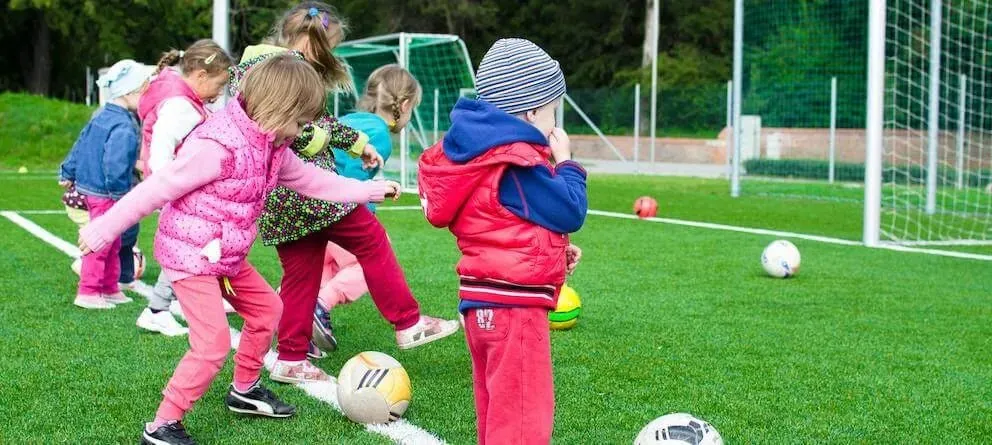
Choosing the correct soccer ball size is essential for skill development, especially for young players. This guide explains the standard size recommendations by age group, helping parents and coaches match the ball to a child’s foot size and strength. U.S. Youth Soccer and FIFA provide the guidelines used here.
How Do I Know What Size Soccer Ball to Get?
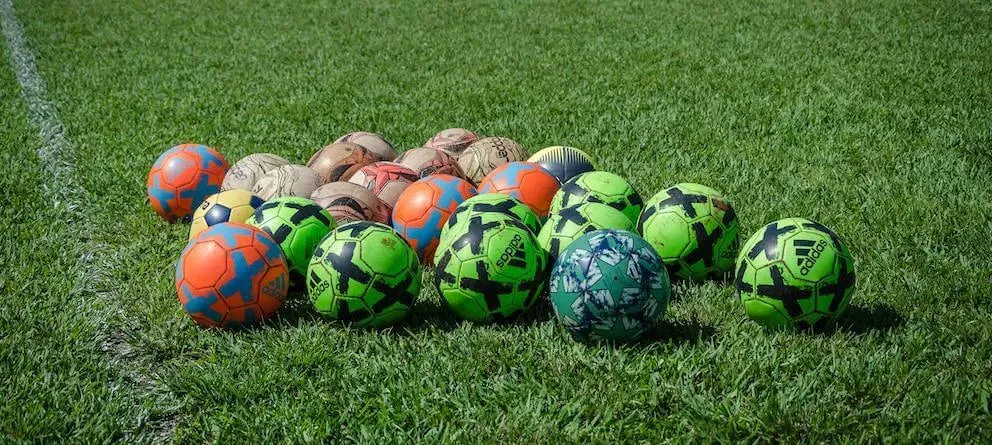
Finding the right size is straightforward once you understand the numbering system. Soccer balls come in sizes 1 through 5, with smaller balls designed for younger players. The ratio of foot size to ball size stays relatively constant as children grow. Below, we break down each size by age group.
Soccer Ball Sizes by Age Group
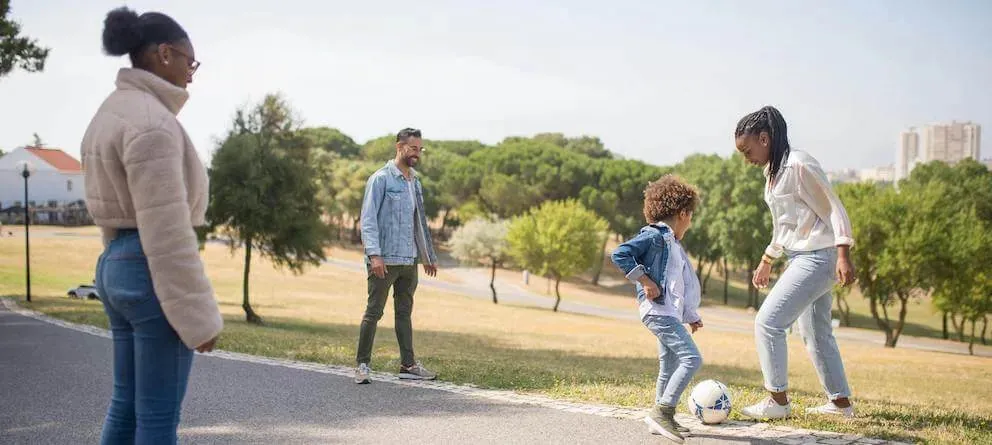
The following sections outline which ball size corresponds to each age range.
Toddlers (Ages 2-4)
Recommended Size: Size 1
Size 1 balls are ideal for children aged 2 to 4. They are light and compact, measuring 45–51 cm in circumference and weighing around 205 grams. This prevents toddlers from feeling like they are kicking a beach ball.
Young Kids (Ages 3-5)
Recommended Size: Size 2
Children aged 3 to 5 typically use size 2 balls. Slightly larger than size 1, these balls measure 52–56 cm and weigh 210–280 grams. The increased striking surface supports passing and drills as foot size and leg strength develop.
Kids (Ages 5-8)
Recommended Size: Size 3
Elementary school children (ages 5 to 8) should use size 3 soccer balls. With a circumference of 58–60 cm and weight of 300–320 grams, these balls are heavier and help players adjust to the feel of full-size balls, particularly when learning body control.
Older Kids (Ages 8-12)
Recommended Size: Size 4
Players approaching high school age (8 to 12) usually move to size 4 balls. These are nearly as large as professional match balls, measuring 63–66 cm and weighing 360–390 grams. Size 4 serves as a “finishing school” for those who have been practicing regularly.
Teenagers (Ages 12+)
Recommended Size: Size 5
Size 5 is the largest ball and is used by players aged 12 and up. Weighing 410–450 grams, it is the standard for club-level and higher competition. Using size 5 helps teenagers build muscle memory that translates to adult matches.
Soccer Ball Circumferences
The table below summarizes the circumference and age guidelines for each size.
| Size | Circumference | Age Range |
|---|---|---|
| Size 1 | 18–20 inches (46–51 cm) | Under 4 years |
| Size 2 | 20–22 inches (51–56 cm) | Ages 3–5 |
| Size 3 | 23–24 inches (58–61 cm) | Ages 5–8 |
| Size 4 | 25–26 inches (63.5–66 cm) | Ages 8–12 |
| Size 5 | 27–28 inches (68–70 cm) | Ages 12 and older |
Even with these facts, choosing the right ball can still be tricky. A ball might say “size 2” on the side, but that does not guarantee quality. Here is a checklist for selecting the best ball for your child:
- Match the ball size to your child’s age. Check the circumference—wrong sizing can hinder skill development.
- Check the ball’s material for durability and softness. A high-quality ball feels firm and smooth; a plasticky feel may indicate poor longevity.
- Choose between indoor and outdoor-specific designs. Outdoor balls are heavier to counteract wind, while indoor balls have a different feel and weight.
- Look for official size and weight labeling near the valve. Reputable brands always include this information.
- Avoid overly cheap balls that lose shape quickly. If a product looks compressed or deforms easily, pick another brand.
- Confirm the inflation level before testing. Use a pressure gauge inserted into the valve. The ideal pressure for a soccer ball is 1.1 bar (8.7–15.9 PSI).
- Consider a training ball for regular backyard use. Training balls are the correct size for growing children and are a useful addition as they develop.
Soccer Ball Sizes FAQs
If you still have questions, these answers cover the most common concerns.
1. How much does a size 5 soccer ball weigh?
Size 5 soccer balls are the heaviest, weighing between 410 and 450 grams depending on the manufacturer and materials. They are standard for adult games and club meets, making them ideal for budding teenage professionals.
2. What size ball does FIFA use?
FIFA uses size 5 soccer balls for professional matches. It also recommends this size for children over 12 due to their growing feet and the need to get them used to professional-grade balls. Smaller balls are fine for early training, but players should eventually move to larger sizes.
3. Is there a big difference between size 4 and 5 soccer balls?
Viewed face on, the difference appears small, but volume and weight vary by about 25%. Size 4 balls weigh 350–390 grams and have a circumference 3–5 cm smaller than size 5 balls. This difference is considerable for players transitioning between the two.
Related search topics
- How to Choose the Best Soccer Ball Size for Any Age football guide
- How to Choose the Best Soccer Ball Size for Any Age latest updates
 WhatsApp
Looking for affordable football boots and jerseys made in China?
Message us on WhatsApp at +86 151 6027 2505, or find us on Instagram at @luxurycoca.
 Instagram