The Legacy of adidas World Cup Match Balls: From Telstar to Trionda
adidas has unveiled Trionda, the Official Match Ball for the FIFA World Cup 2026, continuing a tradition that began in 1970. This article looks back at the

adidas has unveiled Trionda, the Official Match Ball for the FIFA World Cup 2026, continuing a tradition that began in 1970. This article looks back at the iconic designs and memorable moments that have defined each ball across 14 tournaments.
The Beginning: Telstar (1970 & 1974)
Before adidas, the official World Cup ball was made by Slazenger for the 1966 tournament. adidas changed the game with the Telstar in 1970, a 32-panel design of 12 black pentagons and 20 white hexagons created for visibility on black-and-white television. The name combined “television” and “star.” The ball became so recognisable that it became the standard depiction of a football in media and emoji.
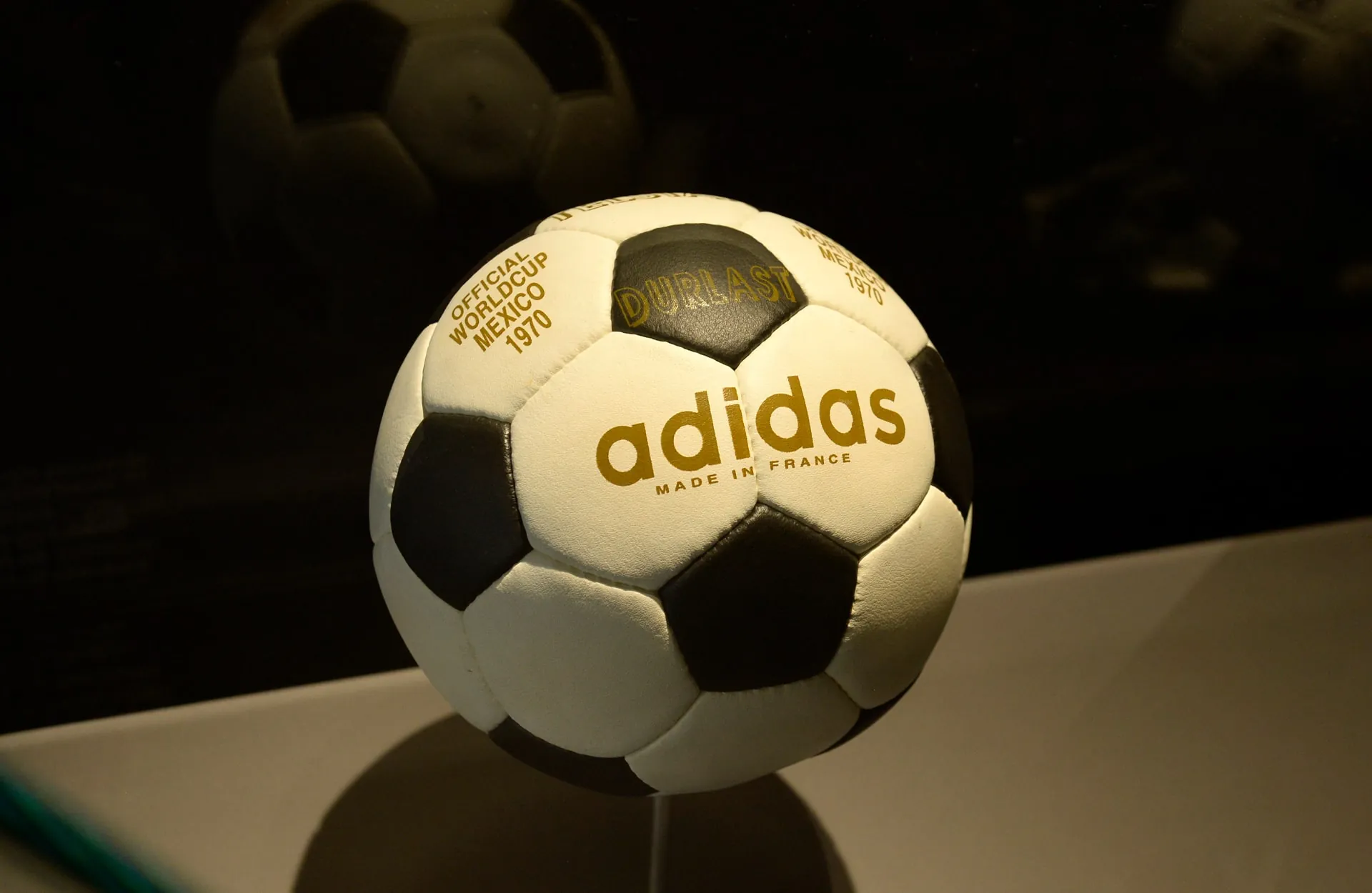
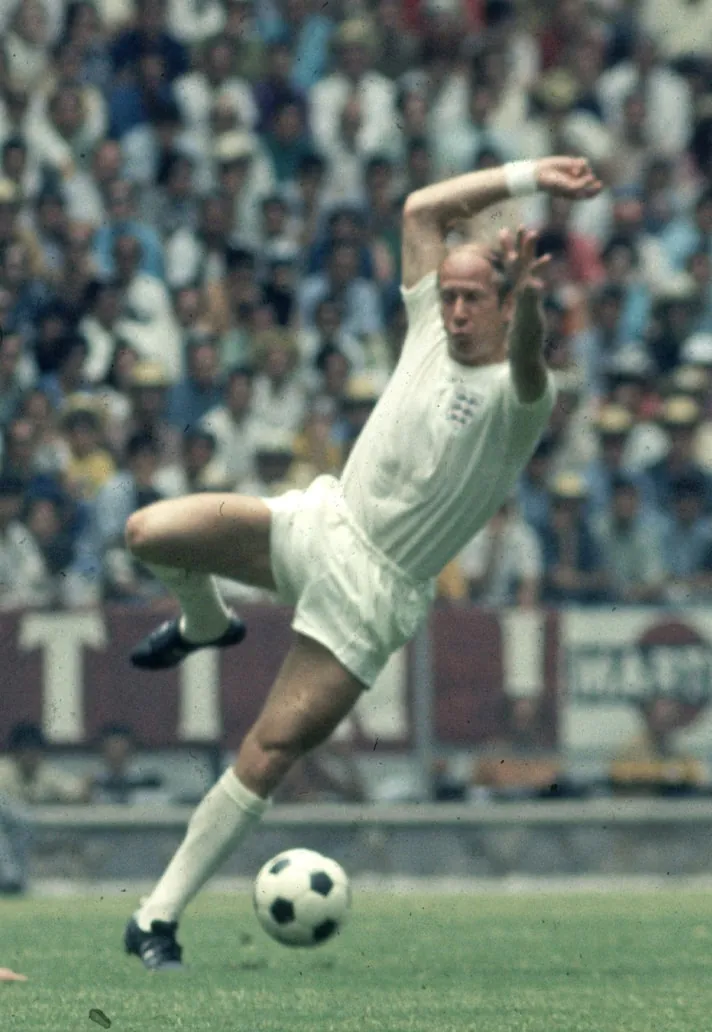
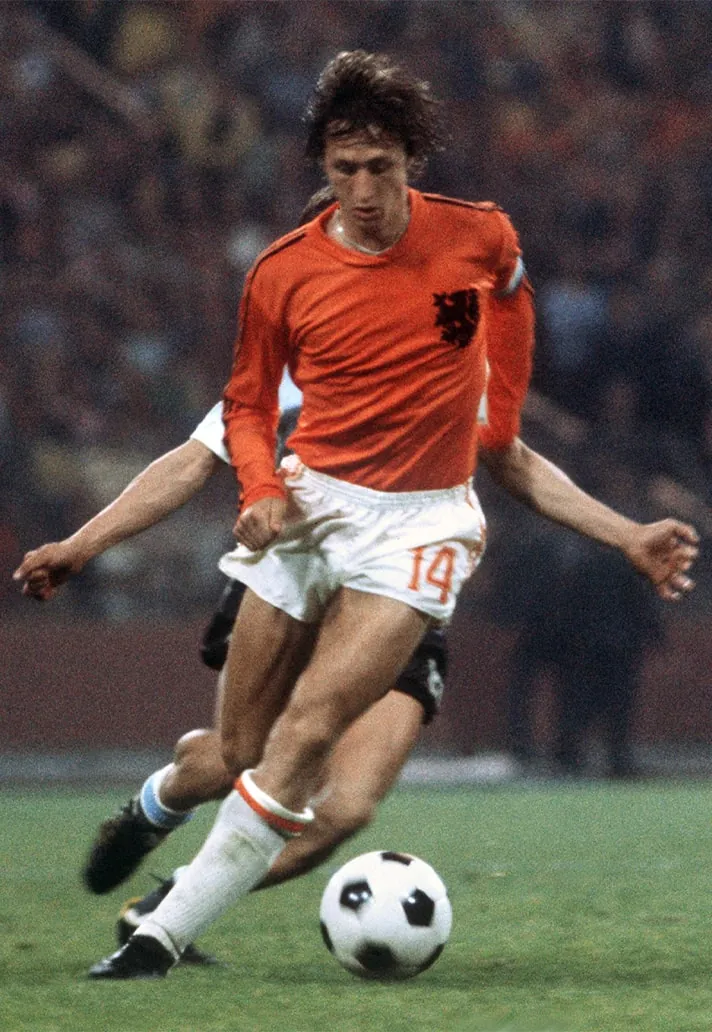
The Telstar Durlast, used in 1974, added a plastic coating to resist water and mud. That tournament saw Johan Cruyff create the iconic “Cruyff turn” with the ball at his feet.
The Tango Evolution (1978–1998)
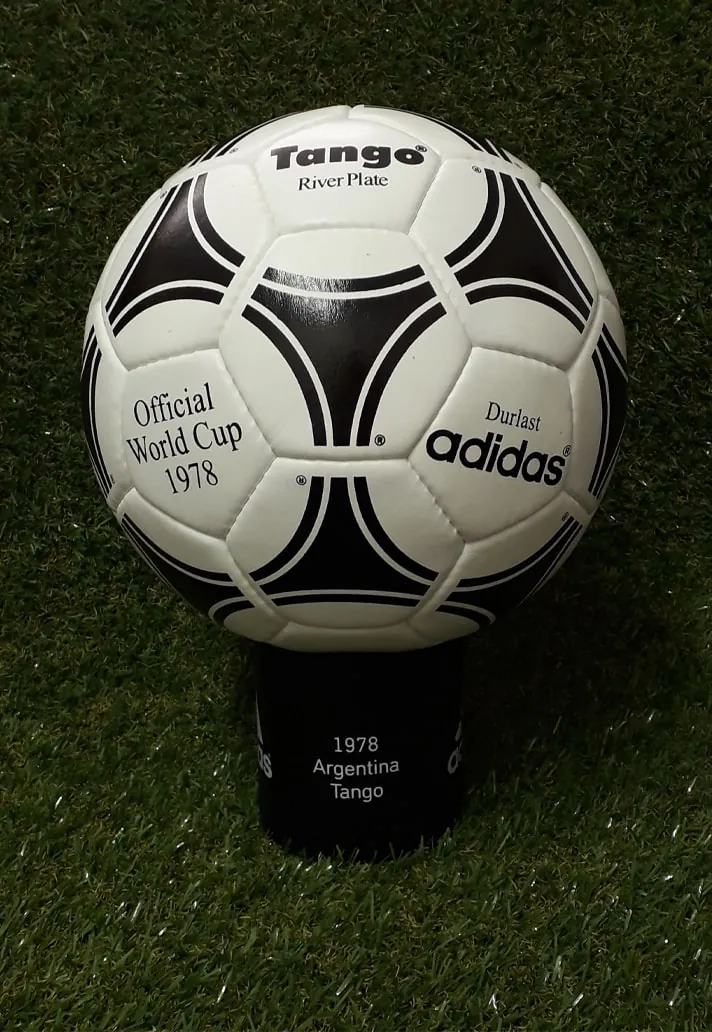
The 1978 World Cup in Argentina introduced the Tango design, named after the dance. Its curved triads became a visual hallmark that remained essentially unchanged until 2002.
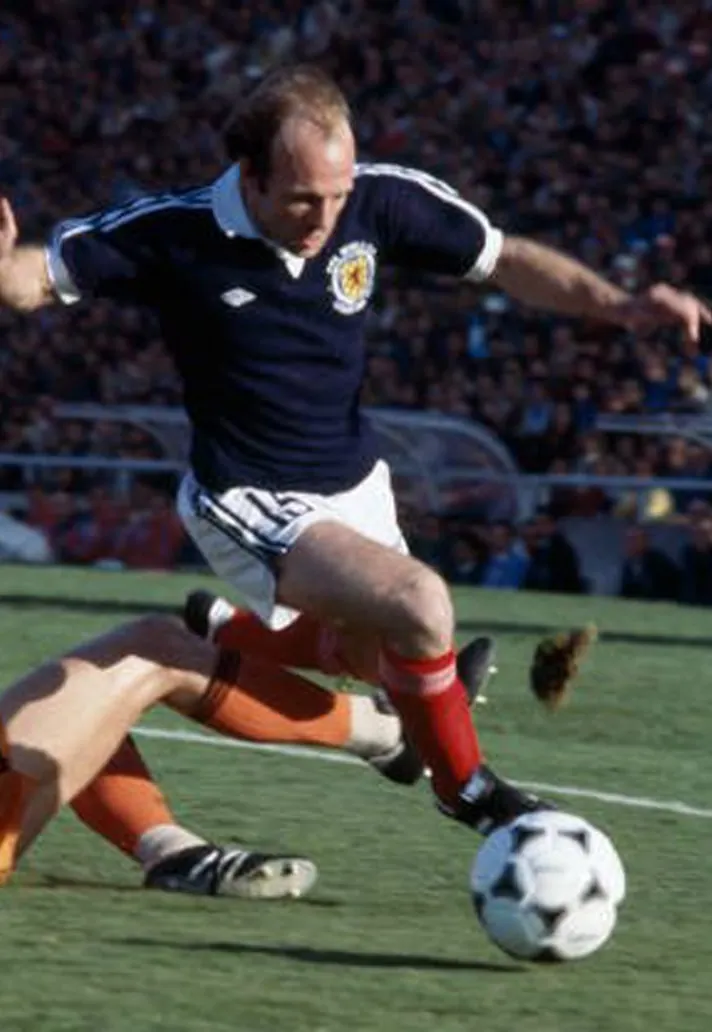
For 1982, the Tango España featured improved rubberised seams and was the last leather ball used in the World Cup.
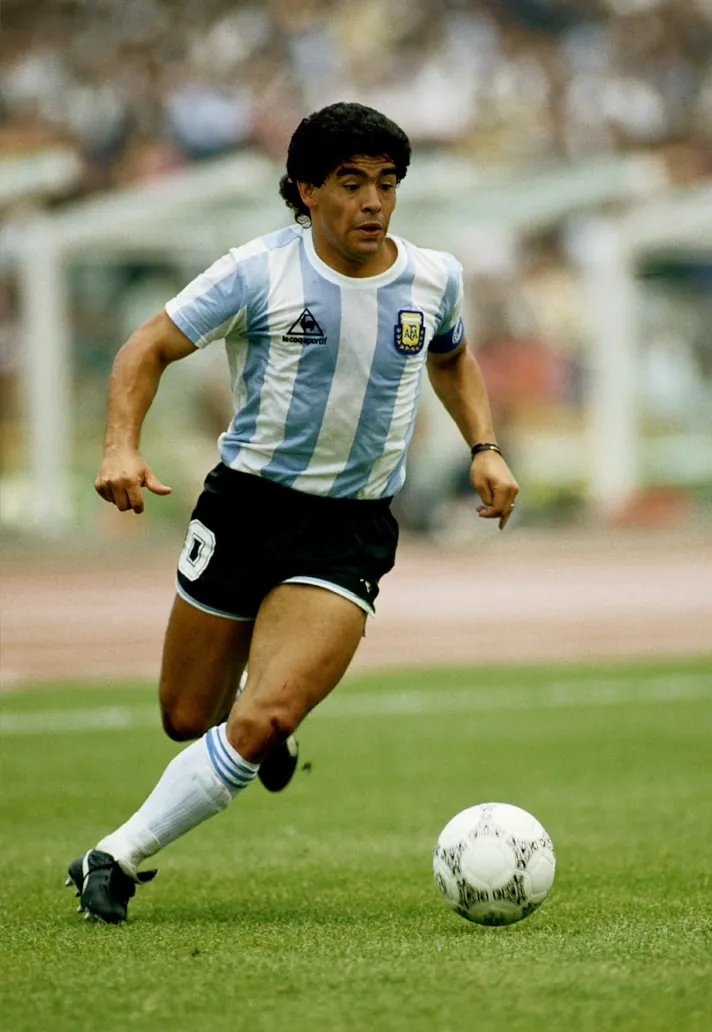
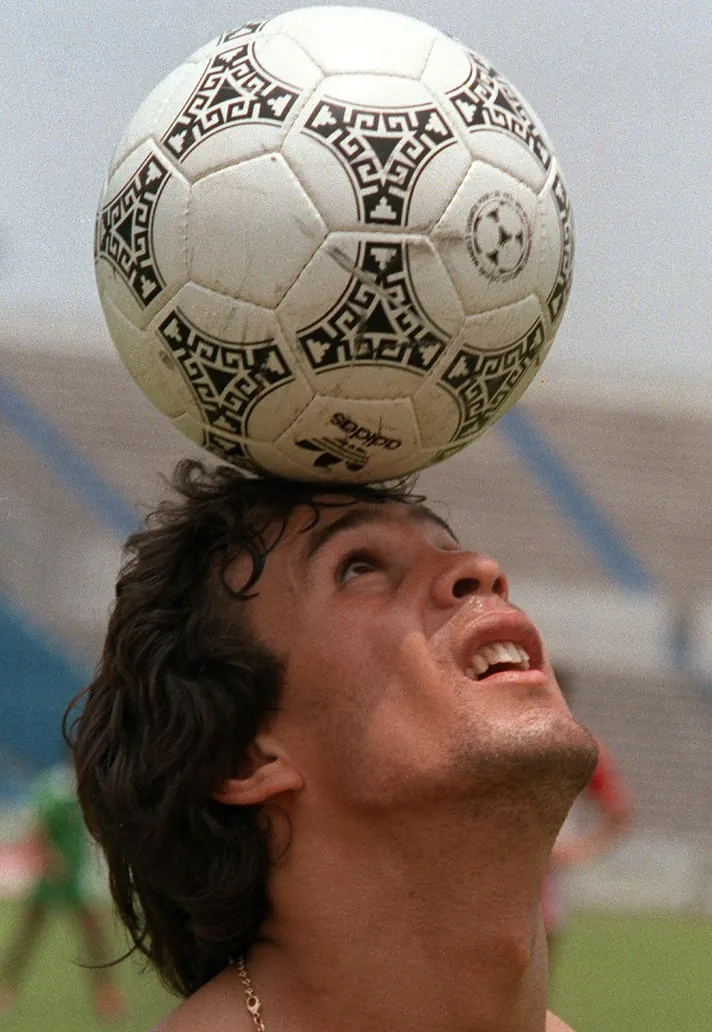
1986 brought the Azteca, linked indelibly to Diego Maradona’s two defining goals in the same match: the “Hand of God” and a sublime solo run.
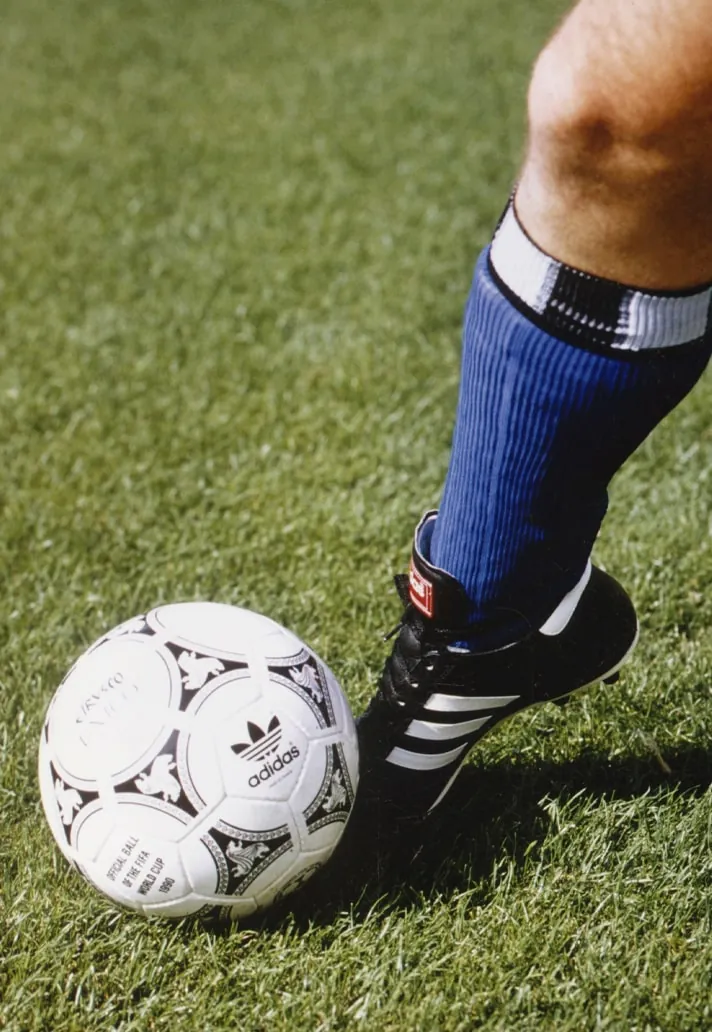
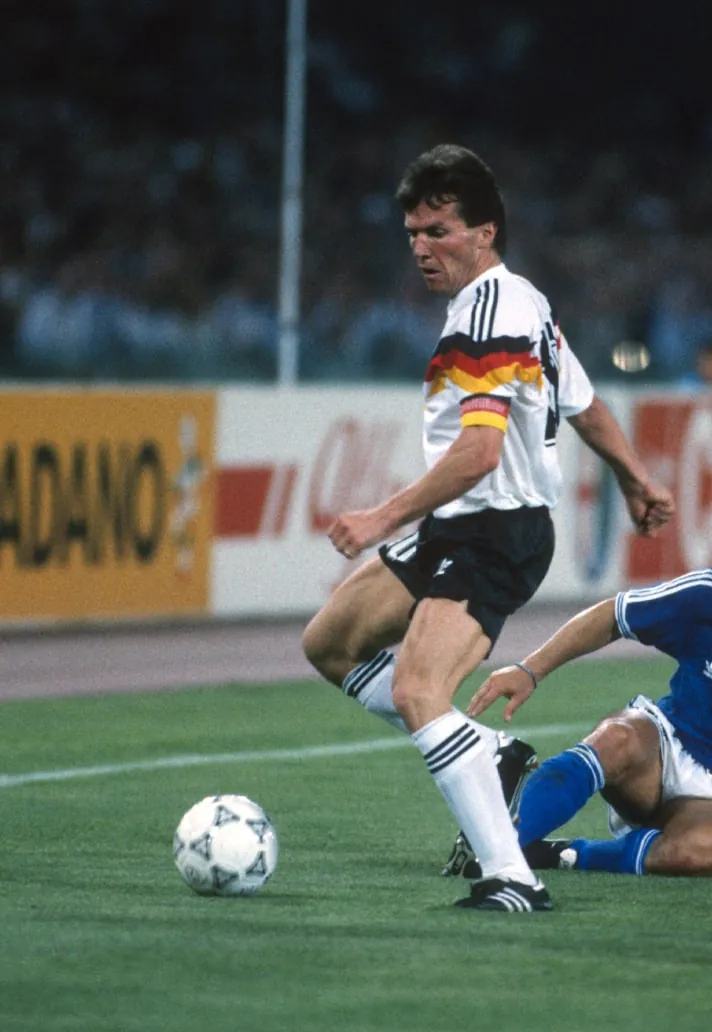
The 1990 tournament used the Etrusco Unico, named after the ancient Etruscan people. The ball was central to Lothar Matthäus’s powerful runs.
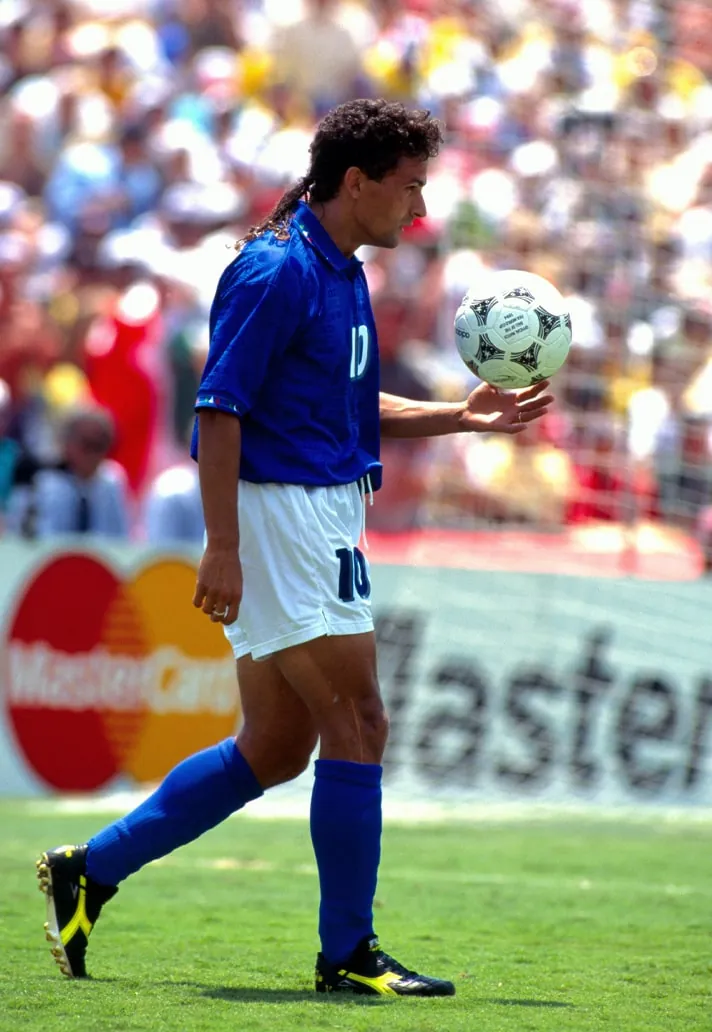
In 1994, the Questra was inspired by the host nation USA’s space exploration, with triads decorated with planets and stars. It was the ball Roberto Baggio blasted over the bar in the final.
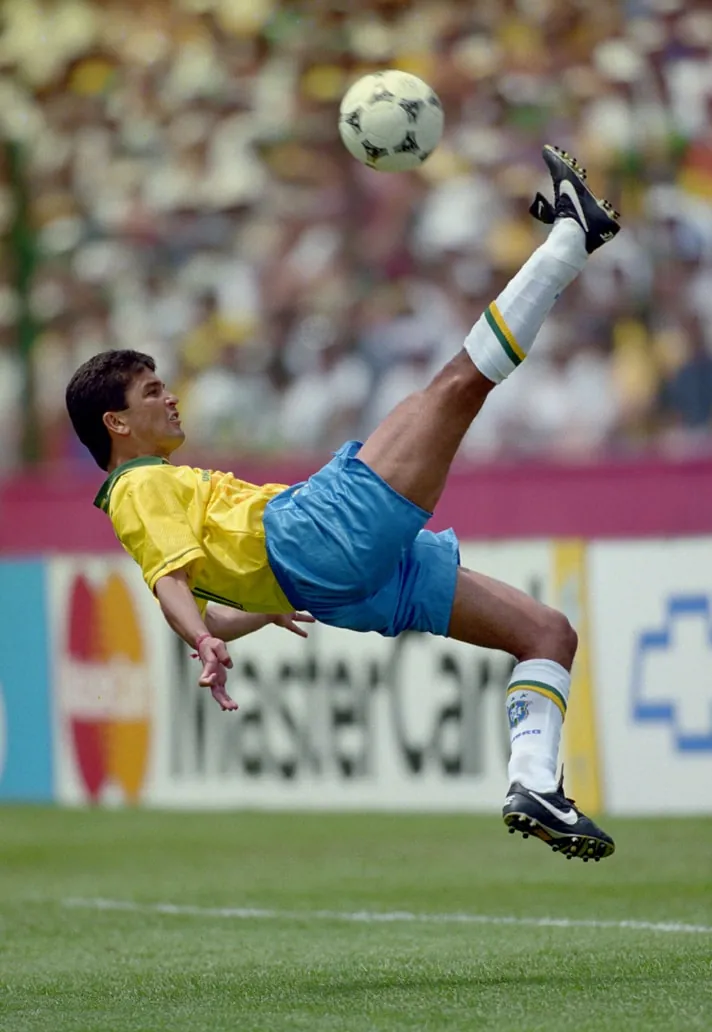
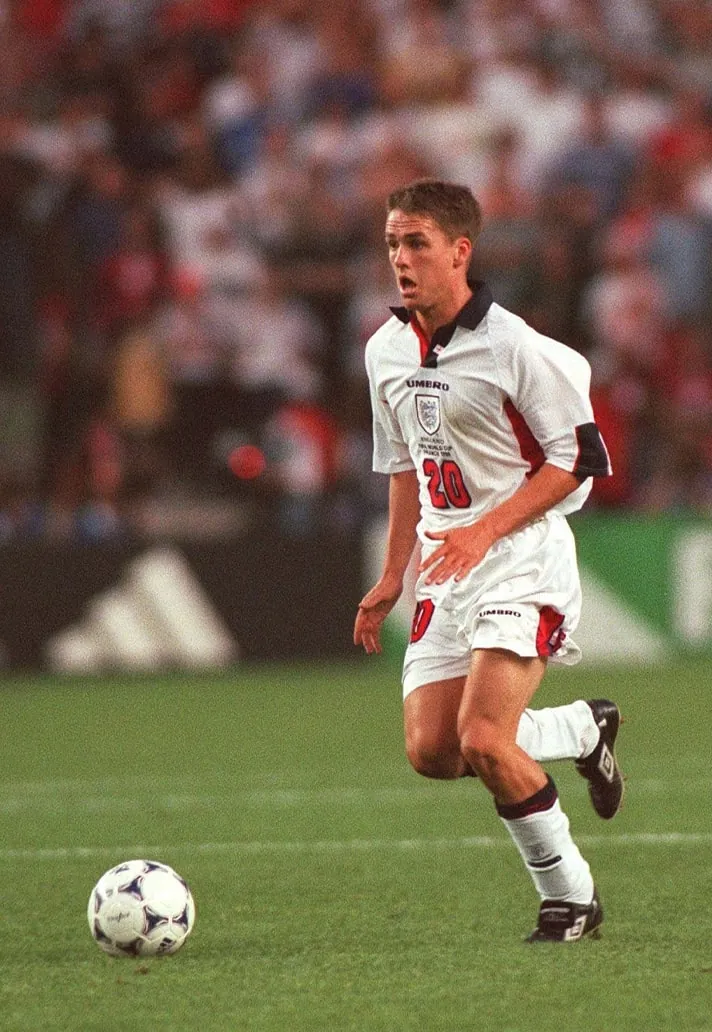
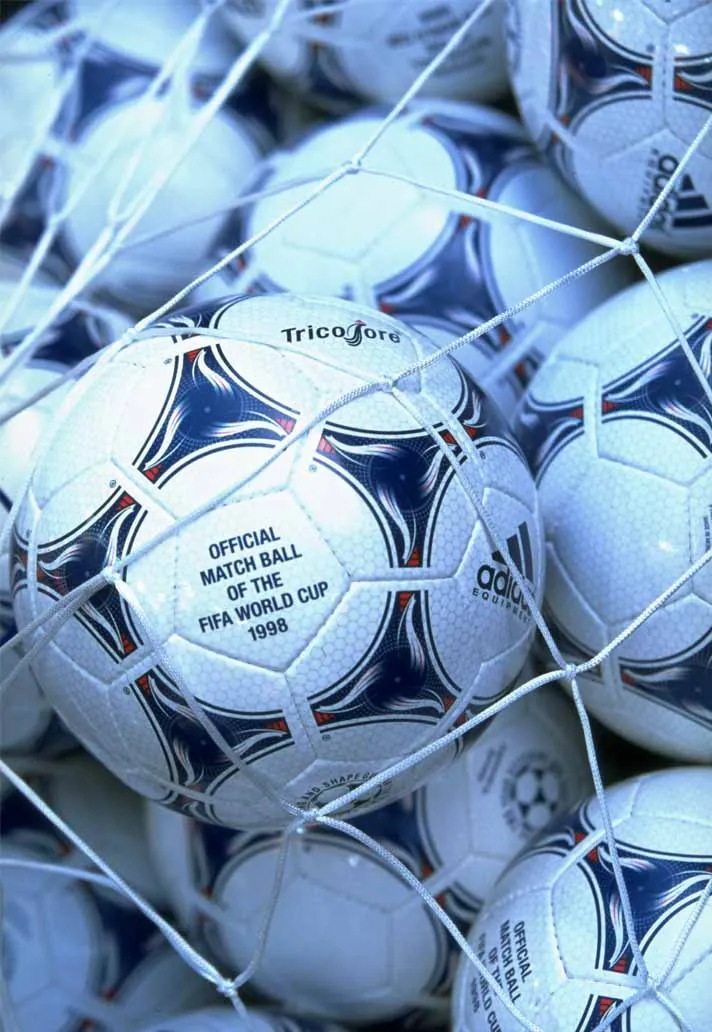
The 1998 Tricolore was the first World Cup ball to use a colour other than black and white, with blue and red graphics referencing the French flag. Michael Owen slalomed through Argentina’s defence before scoring with it.
A New Century: Fevernova and Teamgeist
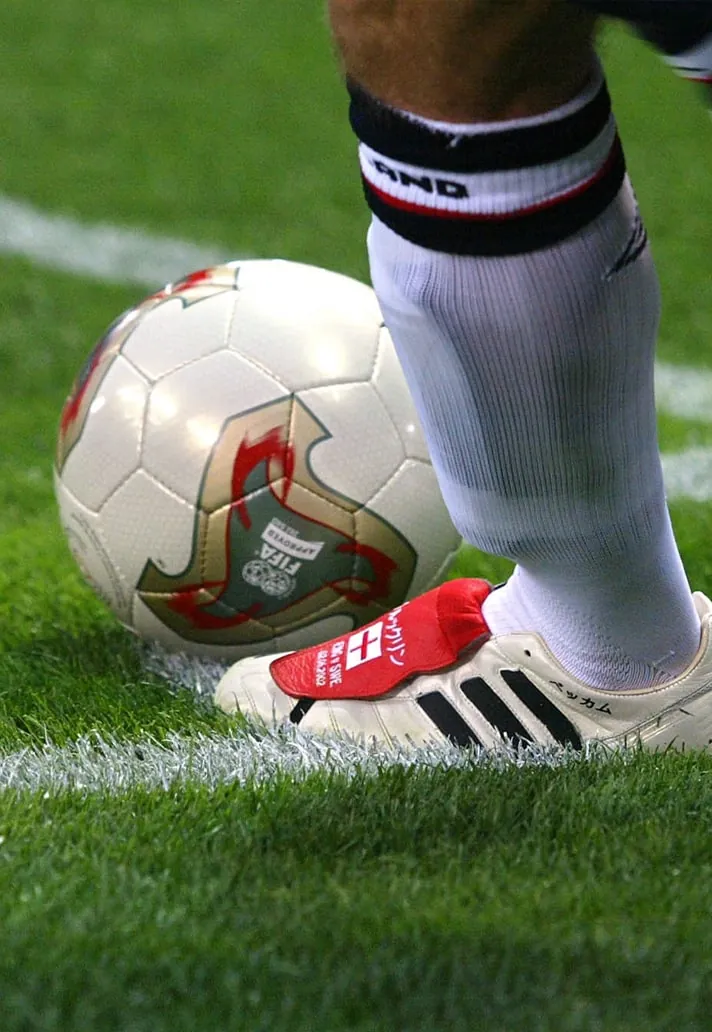
The 2002 Fevernova replaced the traditional triads with four trigonal designs, while the hand-stitched ball retained hexagonal and pentagonal panels. Its name combined “fever” and “supernova.” The four trigons represented wind turbines in celebration of alternative energy.
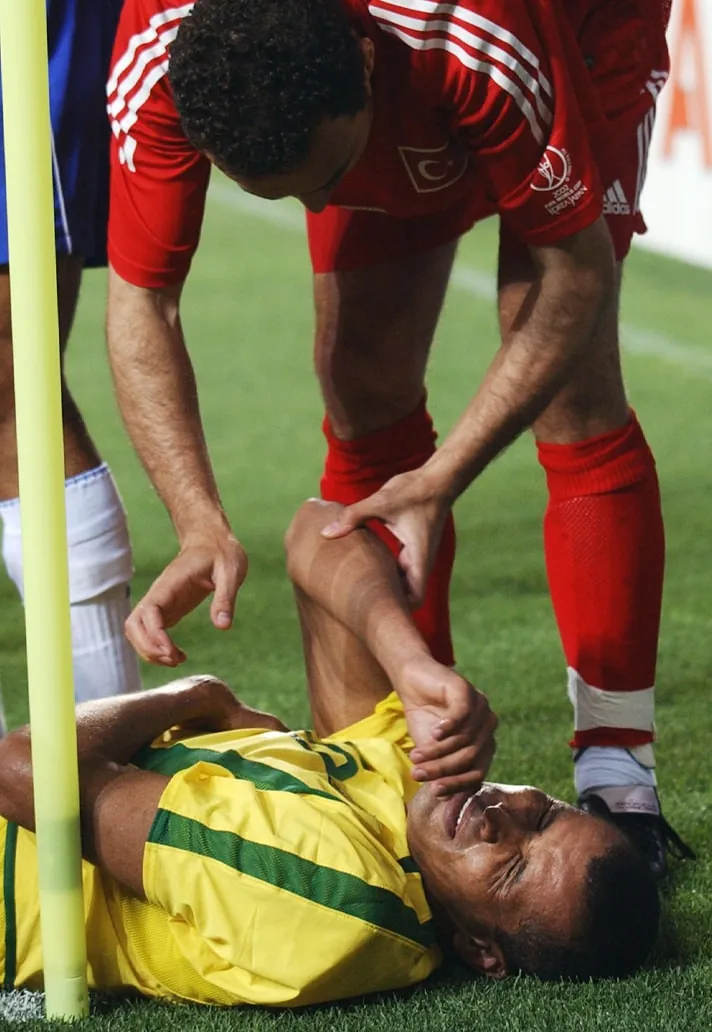
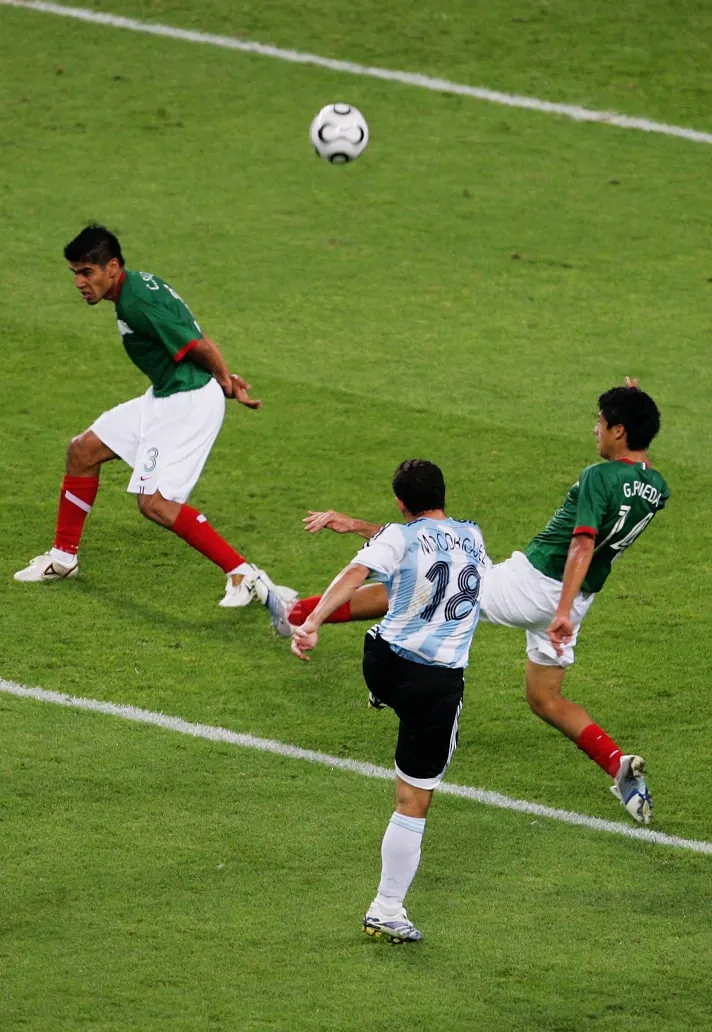
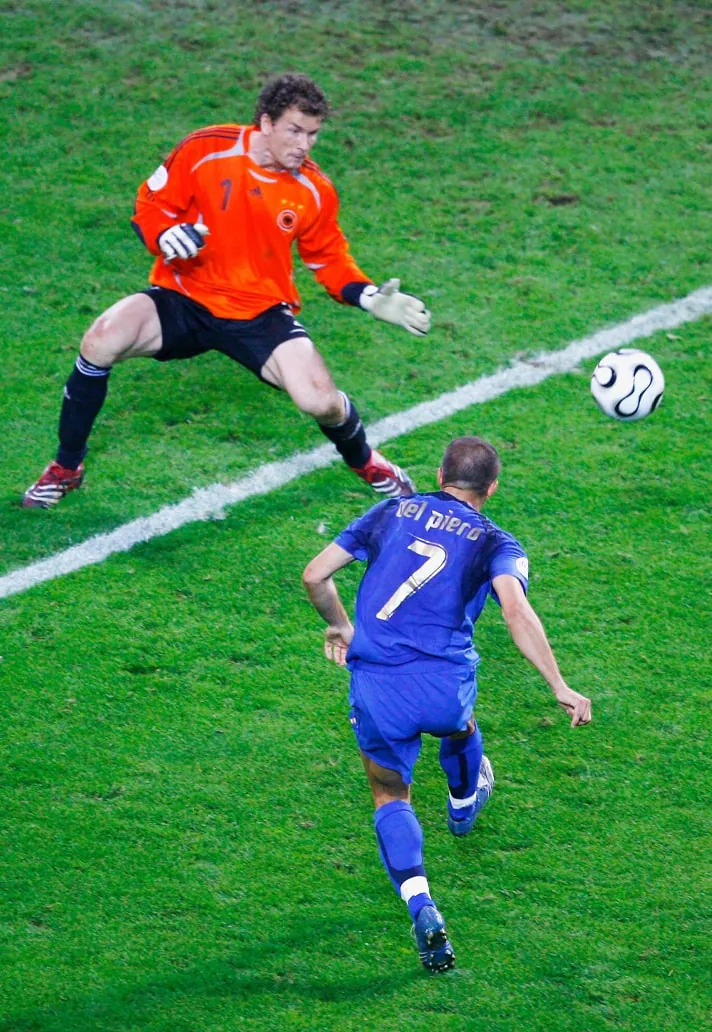
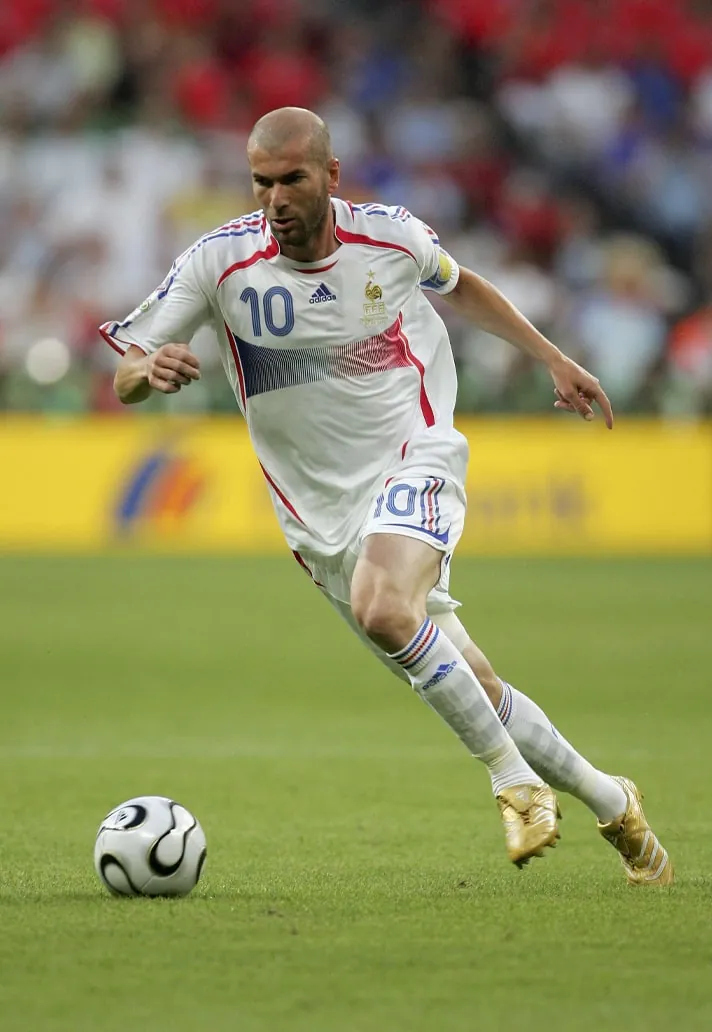
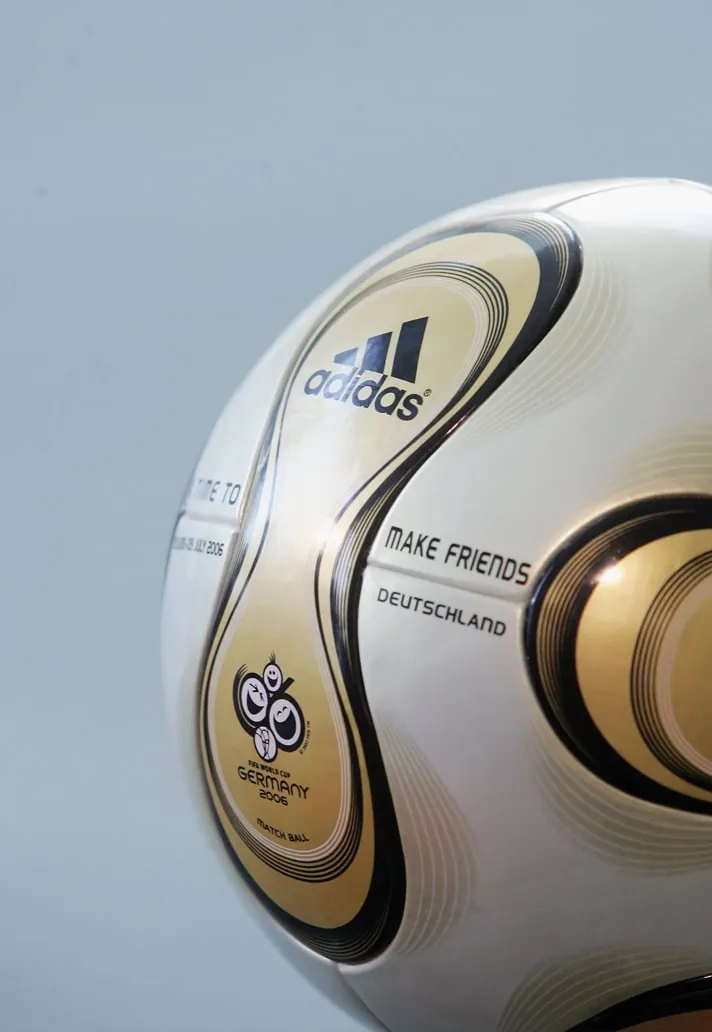
In 2006, the Teamgeist (“team spirit”) was less than one percent short of a perfect sphere. Its 14 thermally bonded panels replaced the previous hexagonal and pentagonal pattern. The black and white colours represented Germany’s traditional colours, with gold lines connecting to the World Cup trophy.
The Modern Era: Jabulani, Brazuca, Telstar 18, Al Rihla
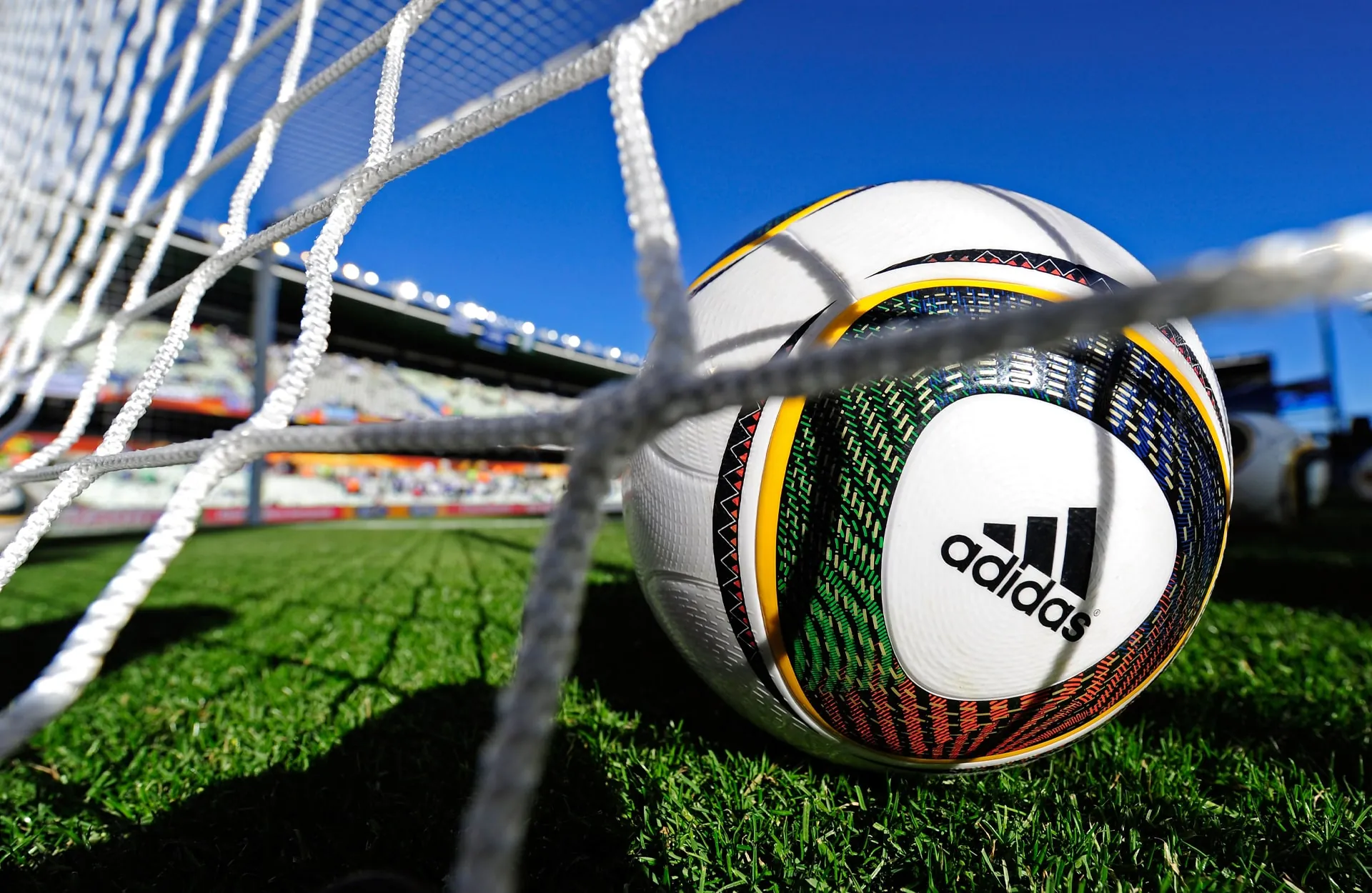
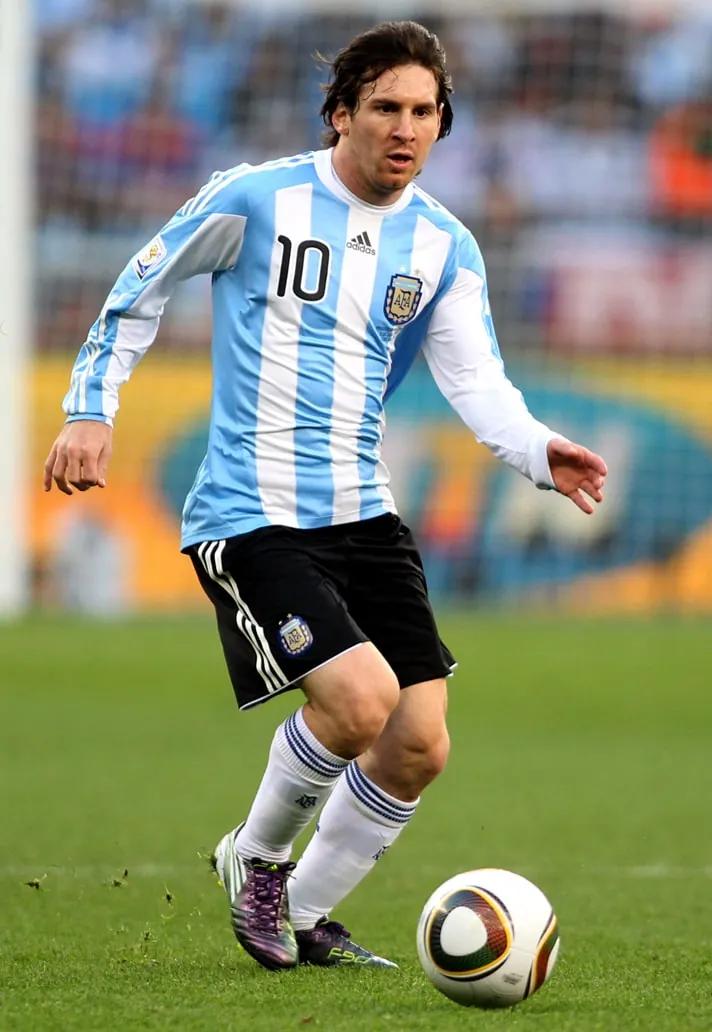
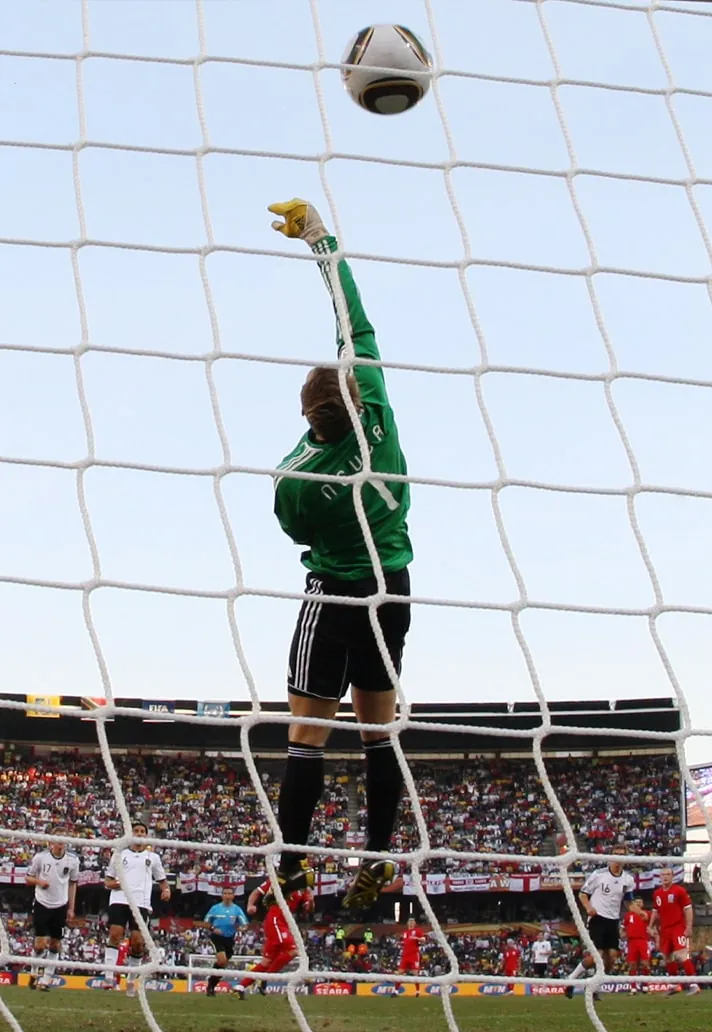
The 2010 Jabulani (“to celebrate” in Zulu) had eight thermally bonded 3D panels designed for improved aerodynamics but drew criticism from goalkeepers. Despite this, it was used in memorable moments, including a long-range strike by Giovanni van Bronckhorst and the Frank Lampard goal-line controversy.
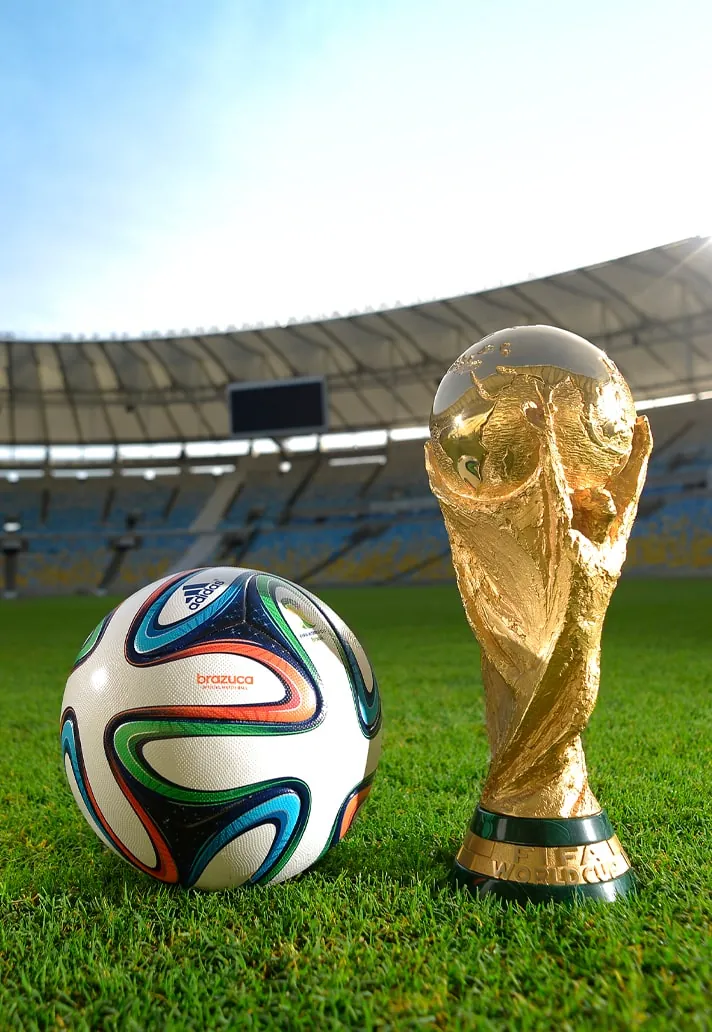
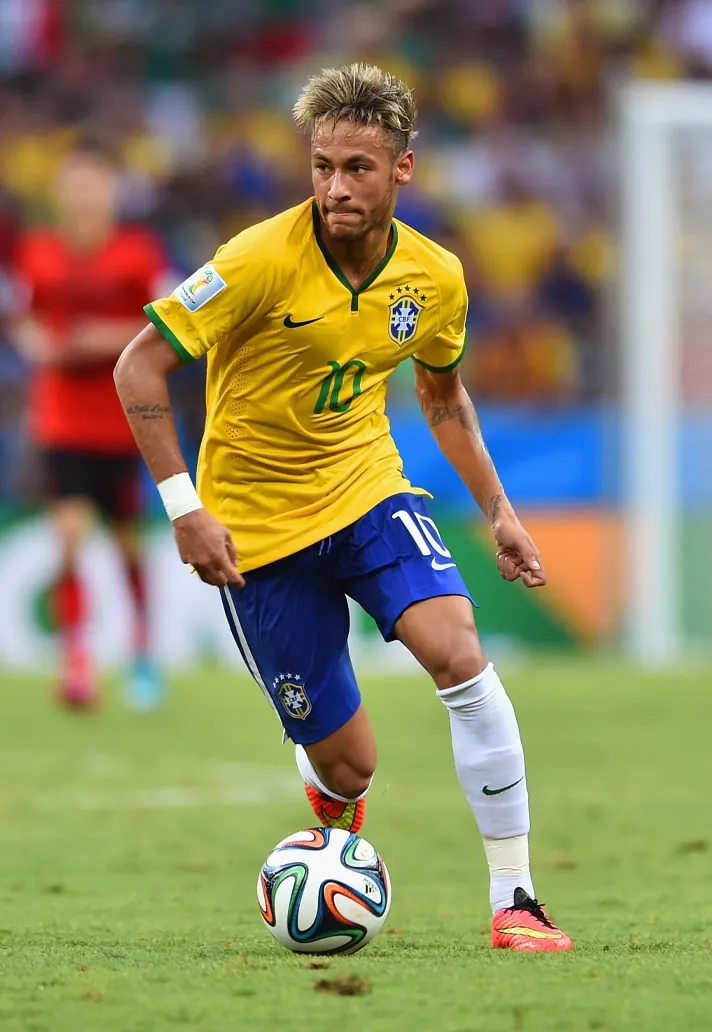
For 2014, the Brazuca underwent the most rigorous testing of any World Cup ball, involving over 600 professional footballers. Its six propeller-shaped panels aimed to improve aerodynamics, stability, and touch. The name was chosen by 77% of Brazilians in a public vote.
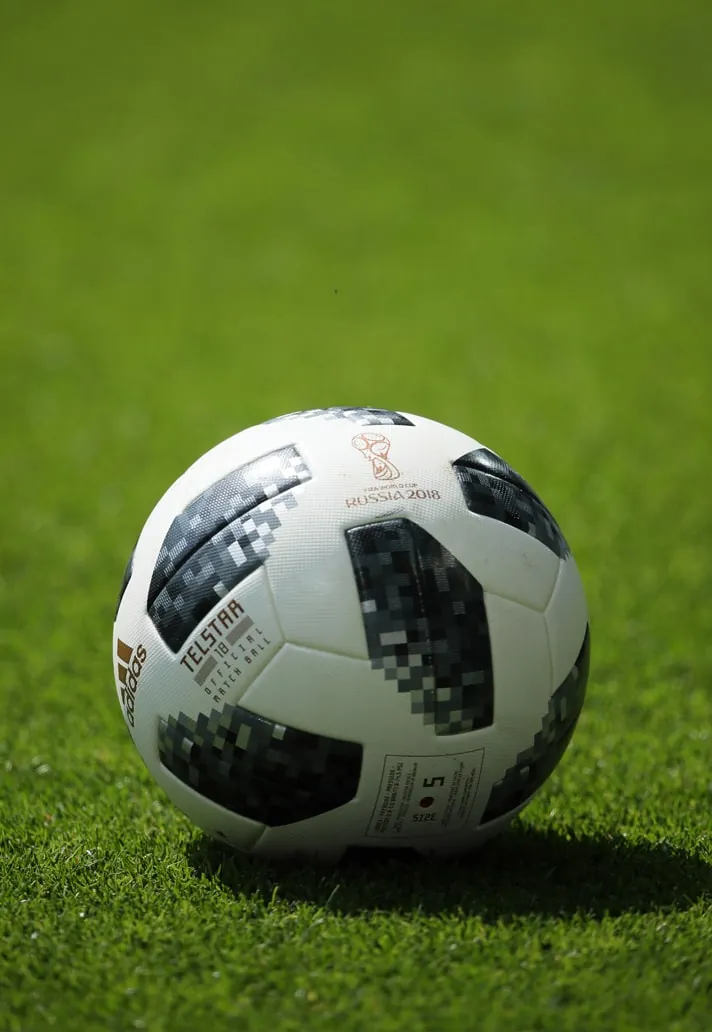
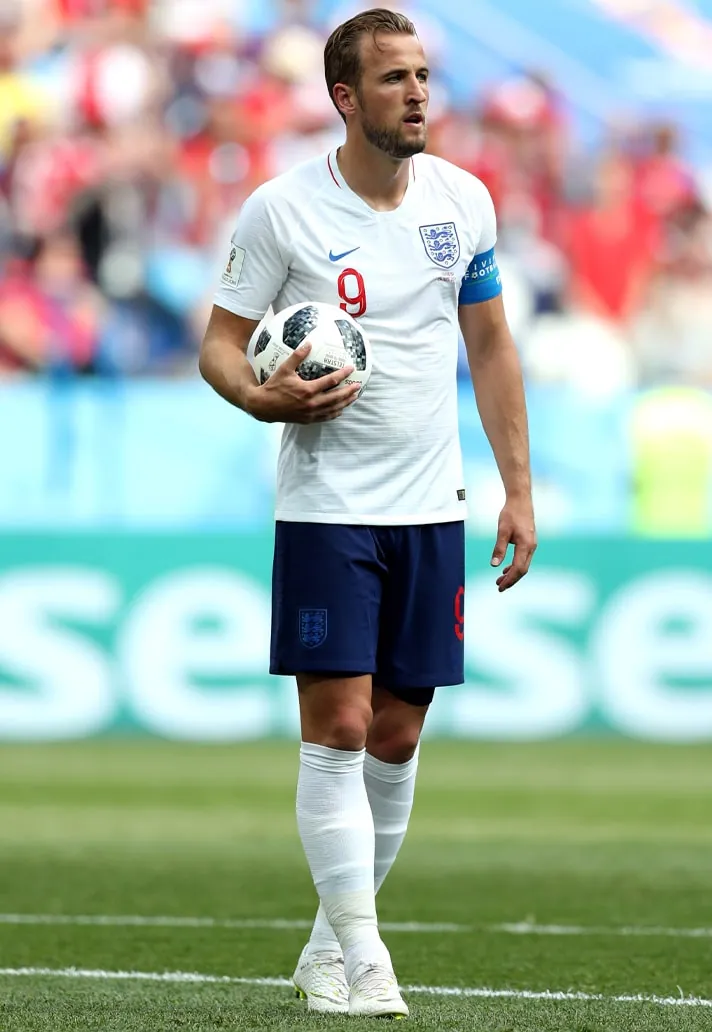
The 2018 Telstar 18 paid tribute to the original 1970 ball with a pixelated motif mimicking a spinning Telstar. It featured an embedded NFC chip for fan interaction and six glued panels for low water absorption.
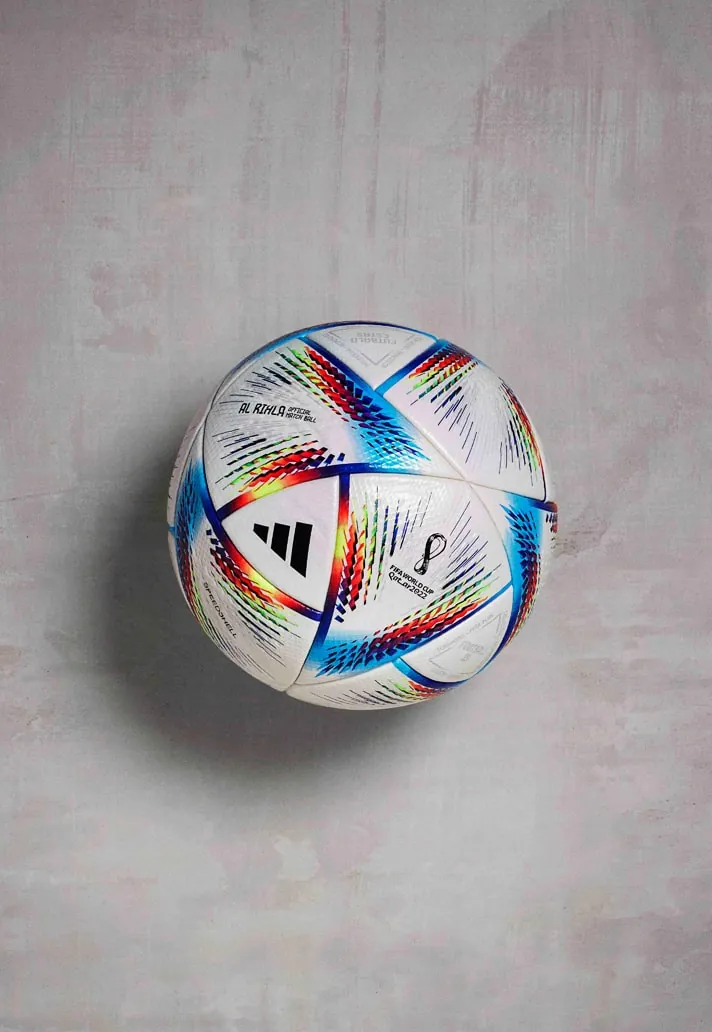
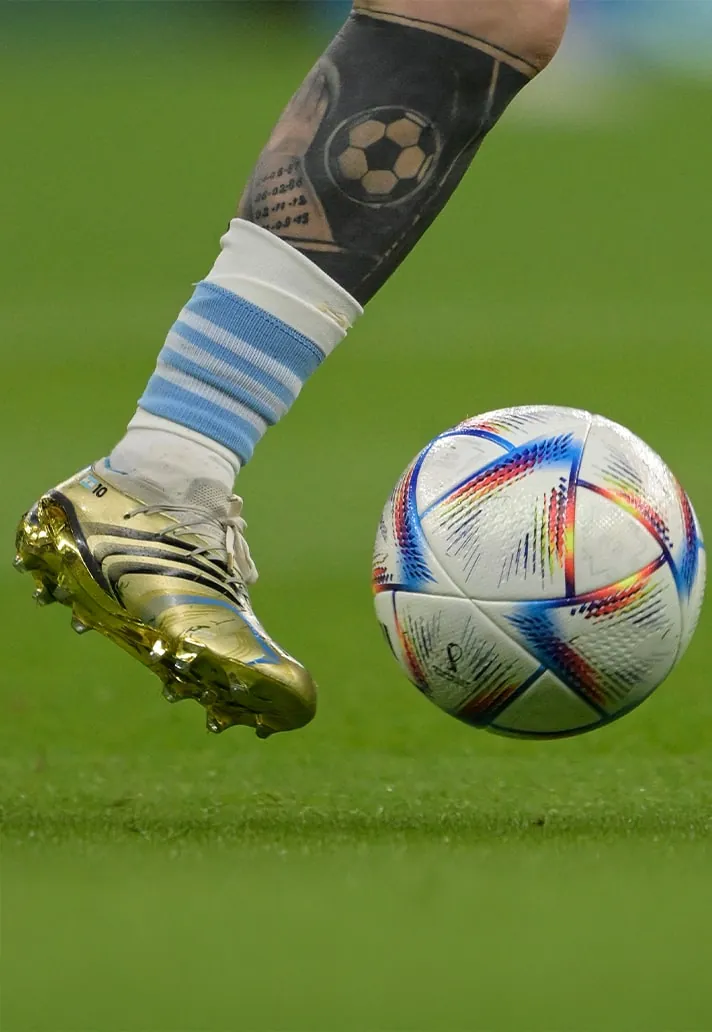
Al Rihla (“the journey” in Arabic) was the ball for the 2022 World Cup in Qatar. Its colours were inspired by Qatari culture, architecture, and flag. It travelled faster in flight than any previous World Cup ball and was the centrepiece of the first winter tournament.
The Future: Trionda (2026)
The Trionda is designed as a celebration of the three host nations: Canada, Mexico, and the United States. It uses a new four-panel construction for high performance, with fluid design geometry that replicates waves. Each panel features the national colours red, blue, and green, connecting in a triangle in the centre to symbolise three nations coming together for the first time.
View this post on Instagram
A post shared by SoccerBible (@soccerbible)
View this post on Instagram
A post shared by adidas Football (@adidasfootball)
View this post on Instagram
A post shared by FIFA World Cup (@fifaworldcup)
Related search topics
- Shaping A Legacy adidas The World Cup Match Ball football guide
- Shaping A Legacy adidas The World Cup Match Ball latest updates
 WhatsApp
Looking for affordable football boots and jerseys made in China?
Message us on WhatsApp at +86 151 6027 2505, or find us on Instagram at @luxurycoca.
 Instagram