Types of Football Boot Studs: A Guide to FG and SG Soles
Understanding the different stud configurations for football boots is essential for players seeking optimal traction and performance. This guide reviews th
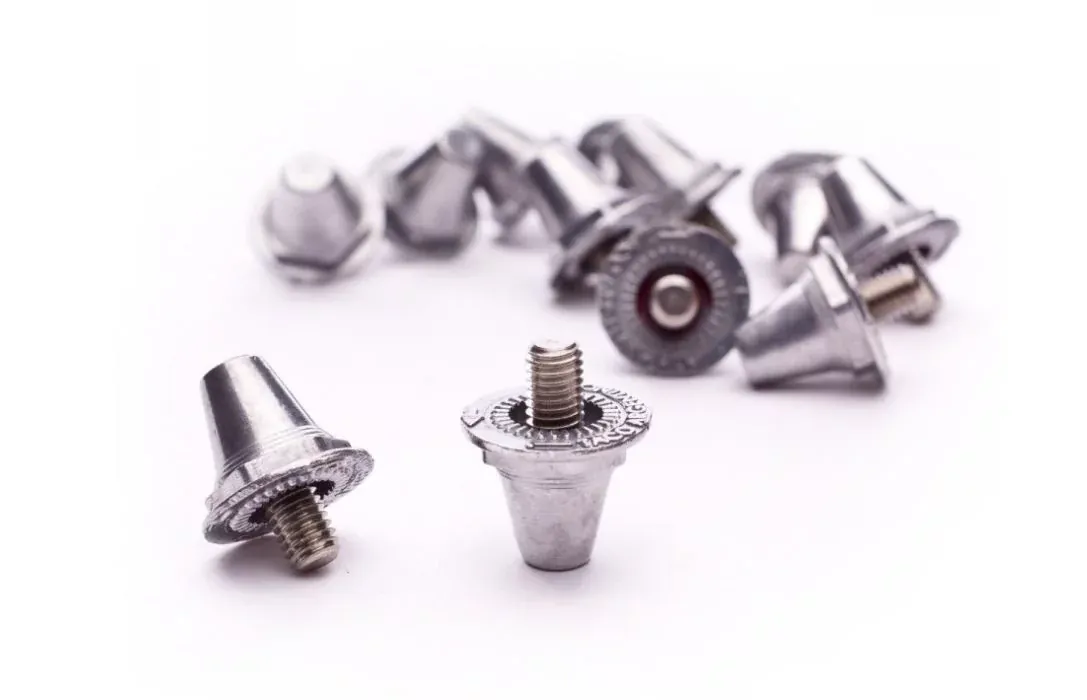
Understanding the different stud configurations for football boots is essential for players seeking optimal traction and performance. This guide reviews the main stud types used on conventional FG (firm ground) and SG (soft ground) soles, from classic conical designs to modern innovations like Traxion and triangular studs. Note: specialized soles for turf, AG, and artificial grass are not covered here.
Conical Studs: The Traditional Design
Up until about 10–15 years ago, all studs were conical, featuring a slightly larger diameter at the base than at the tip. These were common on both FG and SG soles.
- Tapered aluminium studs – used on six‑support boots.
- Conical rubber studs – used on boots with more than ten supports.
Argentinian Studs
A variation of the conical design originated in Argentina, where the tip diameter is especially smaller than in conventional conical studs. Exported abroad, these became known as “Argentinian studs” and are highly sought after by professional players. They are used on SG soles and in mixed‑boot configurations. Brands such as Nike now incorporate them into their SG soles.
Elongated Studs: Traction in Specific Directions
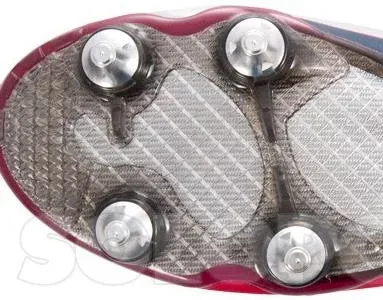
In the 1990s, a new stud type emerged: elongated rather than conical. Each stud is oriented so that its wider face provides traction in a specific direction. Central studs aid acceleration and braking, while side studs support changes of direction.
Adidas pioneered this system under the name Traxion, and other brands later adopted similar designs under different names. These elongated studs come in both FG and SG versions.
FG Elongated Studs
SG Elongated Studs
Hybrid Studs: Combining Conical and Elongated
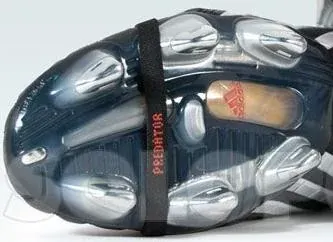
Adidas released a hybrid stud that combines an elongated base with a conical tip. This design improves penetration (thanks to the conical tip) while retaining traction from the elongated base. Initially used in boots provided to professional players, the system later appeared in commercial boots – currently only in SG studs.
Hybrid SG Studs
Specialized Studs for Player Profiles
As football boot design evolved, manufacturers created outsoles tailored to specific player roles.
Triad Studs (for Speed Players)
Nike introduced the triad stud – three extremely thin elongated studs joined at one end, providing three traction positions per stud. This design is aimed at players who focus on maximum speed.
Midfield Player Outsole (CTR 360)
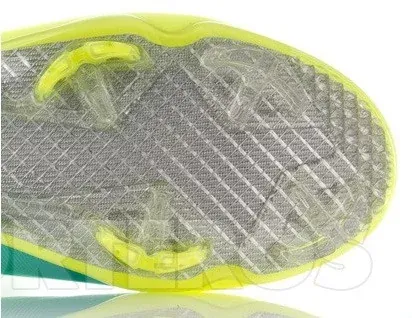
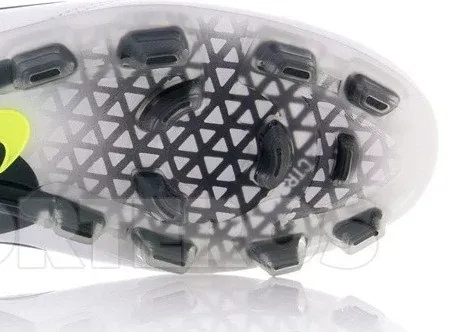
Another Nike innovation is the special stud arrangement for midfield players who pivot on their support foot and need controlled rotation. This outsole also facilitates stepping on the ball as part of the game. It debuted on the CTR 360 model.
Traxion 2.0: Triangular Studs
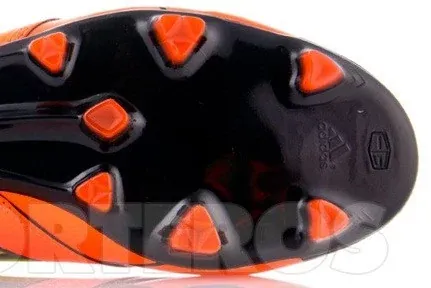
Adidas recently introduced a new system called Traxion 2.0 (currently used on the F50 adiZero and soon on the Predator). Instead of elongated studs, these are triangular‑based, offering three larger traction surfaces instead of the usual two. They are often accompanied by a central four‑edged stud that acts as a pivot point and provides maximum traction, as it nearly always bears load during movement.
Related search topics
- types of studs in walls
- types of studs earrings
- types of studs for clothing
- types of studs in framing
 WhatsApp
Looking for affordable football boots and jerseys made in China?
Message us on WhatsApp at +86 151 6027 2505, or find us on Instagram at @luxurycoca.
 Instagram