Understanding Rubber in Artificial Turf: Functions, Maintenance, and Player Impact
Artificial turf pitches raise questions about the materials that make them playable. One common component is rubber infill, which serves several critical r
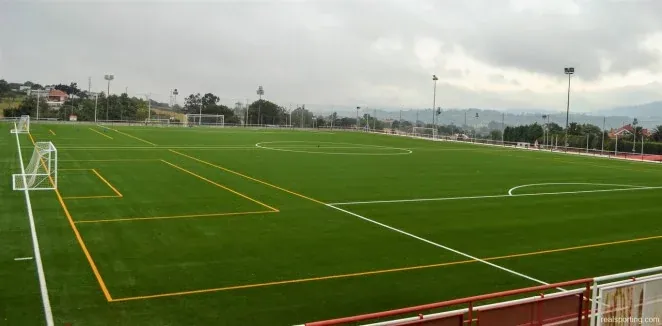
Artificial turf pitches raise questions about the materials that make them playable. One common component is rubber infill, which serves several critical roles underfoot. This article explains why rubber is used, how it affects performance and player safety, and how to care for football boots on these surfaces.
The Role of Rubber in Artificial Grass Pitches
Rubber granules have been a standard feature of artificial turf for years, though newer generations are moving toward alternative materials. Despite being a source of frustration for some parents who find the little black balls everywhere, rubber serves three essential functions.
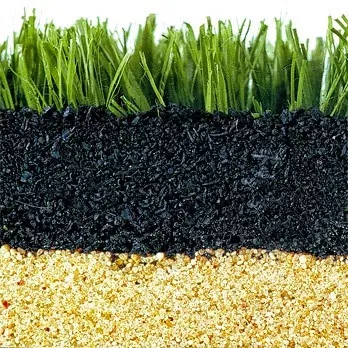
Base and Consistency
Rubber is not the only material in the pitch. A layer of salt-like infill acts as the base, similar to mud or earth on natural grass. This provides absorption and consistency, helping the surface hold together during play.
Cushioning
Without rubber, the ball would not bounce, and players would lose the shock absorption needed for falls, jumps, and other high-impact movements. The cushioning effect protects both the player and the ball’s behavior, though the bounce can sometimes be excessive.
Ball Flow
Artificial grass fibres alone cannot support normal ball roll. The rubber infill allows the ball to travel across the surface without stopping or catching, enabling a smooth and predictable game.
Cleaning and Maintenance of Football Boots on Artificial Turf
The abrasive nature of artificial turf causes friction and burns on both skin and equipment. Proper boot care depends on the material of the boot.
Leather Football Boots
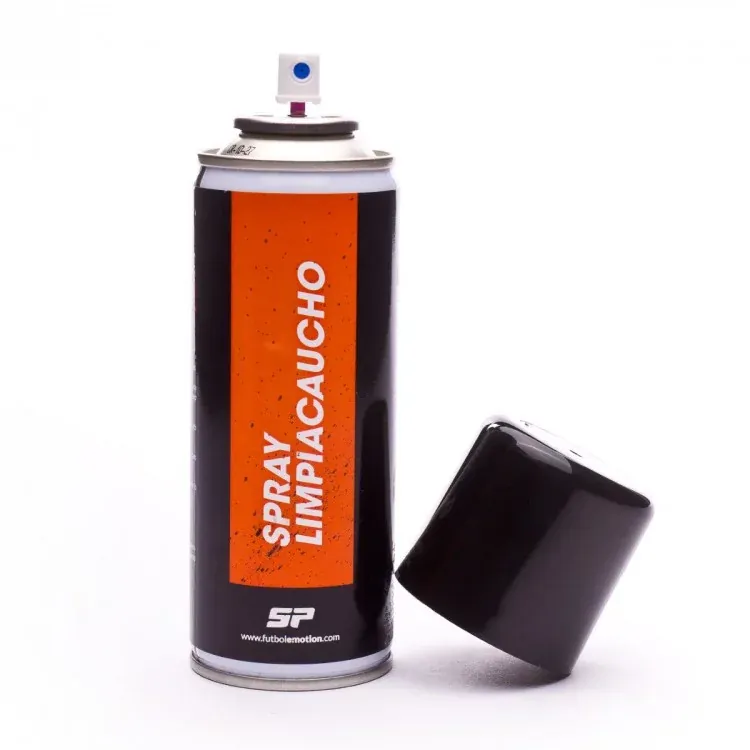
If leather boots get wet, dry them with newspaper in a dry place away from direct sunlight. Avoid radiators, as they can dry out the leather too quickly. For cleaning, use a damp cloth and remove black rubber stains with a suitable cleaner. Apply the cleaner outdoors, then rub with a dry cloth for a pristine finish.
Synthetic Football Boots
Synthetic boots follow the same cleaning steps as leather, but they do not require balms or greases for maintenance. Regular wiping and stain removal are sufficient.
Choosing the Right Studs for Artificial Turf
Players often ask which stud type works best on artificial grass. This question will persist as more clubs and leagues adopt synthetic surfaces. Understanding the difference between stud patterns for artificial and natural grass helps players adapt their footwear to the pitch.
Related search topics
- Why is artificial turf rubberised football guide
- Why is artificial turf rubberised latest updates
 WhatsApp
Looking for affordable football boots and jerseys made in China?
Message us on WhatsApp at +86 151 6027 2505, or find us on Instagram at @luxurycoca.
 Instagram